How to Prune Rattlesnake plantain?
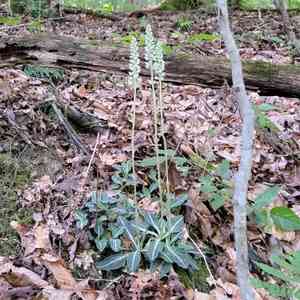
A terrestrial orchid indigenous to North America, rattlesnake plantain is recognized by its patterned, foundational leaves and spiky inflorescences. Remove withered or discolored leaves from the base to ensure the plant's well-being and visual appeal. The period before new growth emerges in early spring is ideal, though the removal of compromised foliage can happen at any point during active periods. This variety thrives with careful trimming, which improves air movement, lowers the chance of illness, and preserves a neat look. Refrain from severe cutting, as this can put strain on the perennial ground cover.
What Are the Benefits of Pruning Rattlesnake Plantain?
What Are the Benefits of Pruning Rattlesnake Plantain?
Trimming rattlesnake plantain promotes robust development by channeling energy to strong stems and foliage, and helps maintain its form for visual appeal and garden space management.
What Is the Best Time for Pruning Rattlesnake Plantain?
What Is the Best Time for Pruning Rattlesnake Plantain?
The optimal time for pruning rattlesnake plantain is late spring to early summer. This timing avoids disrupting the plant during its peak growth in spring. Pruning too early in spring risks damage from late frosts, while pruning during or after blooming might remove potential flowers or developing seed pods. Late spring to early summer pruning allows rattlesnake plantain to recover and grow vigorously through summer, preparing it well before fall dormancy. Furthermore, this timing helps maintain the plant's shape and health without compromising the following year's growth and flower production.
What Tools Do I Need to Prune Rattlesnake Plantain?
Bypass Pruners
Perfect for making precise cuts on rattlesnake plantain, as they deliver a clean incision vital for the plant's well-being.
Garden Scissors
Useful for trimming small or delicate parts of rattlesnake plantain, these scissors allow for meticulous control.
Gloves
To protect hands from scratches while handling rattlesnake plantain, ensuring safety during the pruning process.
Sanitizing Agent
To clean the tools before and after pruning rattlesnake plantain to prevent the spread of disease or pests.
How to Prune Rattlesnake Plantain
Clean Tools
Ensure all pruning tools are clean and sterilized to prevent disease transmission to rattlesnake plantain.
Diseased Leaves
Carefully remove any diseased leaves from rattlesnake plantain using fine-tip pruning shears, making clean cuts close to the base without harming the main stem.
Withered Leaves
Trim off any withered leaves from rattlesnake plantain to promote healthy growth and airflow, snipping them at the base where they meet the stem, using the same careful technique as with the diseased leaves.
Dead Branches
Cut away dead branches from rattlesnake plantain, ensuring cuts are made at a 45-degree angle just above a healthy bud or node, to facilitate proper healing and new growth.
Diseased Branches
Identify and prune diseased branches from rattlesnake plantain, making sure to remove them entirely to prevent further infection, and dispose of them appropriately to avoid contaminating the surrounding environment.
Common Pruning Mistakes with Rattlesnake Plantain
Over Pruning
Excessive pruning of rattlesnake plantain can stress the plant, leading to a weakened state or even death. Rattlesnake plantain do not require extensive pruning; being conservative is key.
Pruning Healthy Leaves
Removing healthy leaves can hinder rattlesnake plantain's ability to photosynthesize effectively. Ensure that only damaged or dead leaves are targeted for pruning.
Improper Tool Use
Using dull or dirty pruning tools can harm rattlesnake plantain by causing jagged cuts that are vulnerable to disease. Always use clean, sharp tools.
Ignoring Diseased Areas
Failing to remove diseased or pest-infested growth can allow the problem to spread throughout rattlesnake plantain. It’s imperative to remove these areas promptly and carefully.
Common Pruning Tips for Rattlesnake Plantain
Clean Cut
Make clean cuts close to the base of yellowed or browned leaves, avoiding unnecessary harm to rattlesnake plantain's healthy tissues.
Disease Prevention
Sterilize pruning tools before and after use to prevent the spread of disease among rattlesnake plantain or to other plants.
Post-Flowering Trimming
Trimming spent flower spikes after rattlesnake plantain has bloomed can promote the plant's health and encourage future growth.
Watch Growth Habits
Monitor rattlesnake plantain's growth patterns to identify when pruning is necessary, usually when you can clearly distinguish between healthy and damaged vegetation.



