The Rattlesnake plantain Plant Advantage: Maximizing Home and Office Appeal and Wellness
1
Rattlesnake plantain is recognized for its distinctive, intricate foliage designs, making it a favored decorative plant.
2
This plant has historically been utilized by diverse cultures due to its medicinal attributes.
3
Rattlesnake plantain flourishes in dim, wooded environments and needs little upkeep once rooted.
What Makes Rattlesnake plantain Unique?
Distinctive Leaf Pattern
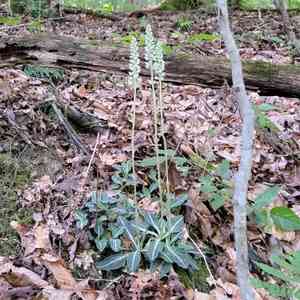
Rattlesnake plantain is easily identified by its striking foliage design. The leaves frequently exhibit a network of white veins against a dark green background, resembling a delicate mesh or net. This captivating characteristic makes it an excellent option for gardeners seeking to introduce elegance to shaded areas of their landscapes.
Historical and Cultural Significance
Beyond its visual charm, Rattlesnake plantain possesses considerable cultural importance. Indigenous communities have historically utilized it for various purposes, including spiritual practices and as a component of natural remedies. While medical claims require caution, the traditional uses of Rattlesnake plantain enhance its appeal and value.
How to Grow and Care for Rattlesnake plantain
Ideal Growing Conditions
Rattlesnake plantain flourishes in shaded, woodland environments with rich, well-draining soil. Replicating its natural habitat will yield optimal outcomes. Choose a location where the plant will receive filtered sunlight or complete shade. It's also crucial to ensure the soil retains moisture without becoming waterlogged.
Planting and Maintenance Tips
When planting Rattlesnake plantain, space the plants approximately 6-12 inches apart to allow ample room for development. Water them regularly, especially during dry periods, to keep the soil consistently moist but not saturated. Mulching around the plants can help maintain soil moisture and suppress weeds. Once established, Rattlesnake plantain requires minimal attention, making it a low-maintenance addition to your garden.
What Are the Potential Benefits of Rattlesnake plantain?
Aesthetic Enhancement
Rattlesnake plantain brings an unparalleled aesthetic contribution to gardens and landscapes. Its intricate leaf pattern and modest growth height make it a perfect underplanting for taller trees and shrubs. Gardeners often use it to create visually appealing plant arrangements in shaded garden beds or as a distinctive ground cover.
Ecological Benefits
Rattlesnake plantain also contributes to the health of local ecosystems. By providing ground cover, it helps prevent soil erosion and maintains soil moisture levels. The plant can also attract beneficial insects and contribute to biodiversity within your garden.
Can Rattlesnake plantain Be Used in Landscaping?
Integrating Rattlesnake plantain into Garden Design
The visual appeal of Rattlesnake plantain makes it a versatile choice for various garden styles. Its lush, patterned foliage can provide a striking contrast to other plants, making it an excellent choice for adding texture and interest to garden beds. It's equally effective as a standalone feature or as part of a more extensive, layered planting design.
Ideal Companion Plants
Rattlesnake plantain pairs well with other shade-loving plants such as ferns, hostas, and astilbes. These combinations can create a rich tapestry of textures and colors, enhancing the overall aesthetic of your garden. Planting Rattlesnake plantain alongside these companions can also help create a more natural and cohesive landscape design.
Is Rattlesnake plantain Easy to Propagate?
Propagation Methods
Rattlesnake plantain is relatively easy to propagate, making it accessible even for novice gardeners. The most common method is through division, where the plant's root mass is gently separated and replanted. This method not only allows you to multiply your plants but also helps in rejuvenating older plants.
Best Times for Propagation
The ideal time for propagating Rattlesnake plantain is during the early spring or late fall, when the plant is not actively growing. Ensure the divided sections have sufficient roots attached to support new growth. Plant the divisions in well-prepared soil and water them thoroughly to help them establish quickly.



