How to Transplant Acidanthera?
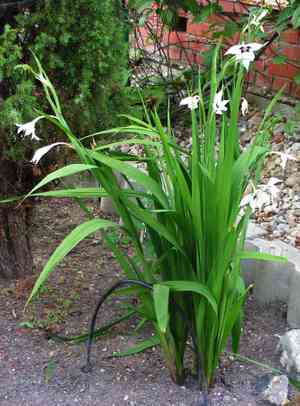
Winter's dormant phase presents the ideal opportunity for relocating acidanthera, facilitating a state of inactivity crucial for effective root integration. Select a location bathed in sunlight, featuring soil that drains efficiently. Careful manipulation of the corms guarantees robust regrowth when spring arrives.
What Preparations are Needed Before Transplanting Acidanthera?
What is the Ideal Time for Transplanting Acidanthera?
The perfect time for relocating acidanthera is at the close of winter, promoting vigorous spring development. This period allows for optimal root establishment without the threat of frost.
How Much Space Should You Leave Between Acidanthera Plants?
When moving acidanthera, ensure each plant is spaced approximately 2-3 feet (60-90 cm) apart. This provides ample room for growth without overcrowding. Happy planting!
What is the Best Soil Mix for Acidanthera Transplanting?
For acidanthera, a well-draining soil rich in organic material is most effective. Prepare the soil with a phosphorus-rich base fertilizer to aid root development. This will ensure your plant's success.
Where Should You Relocate Your Acidanthera?
Acidanthera thrives in bright light, so select a spot that receives full daylight. A sunny location in your garden would be ideal. Remember, more sun equals better growth!
What Equipments Should You Prepare Before Transplantation Acidanthera?
Gardening Gloves
To safeguard your hands while handling the soil and the acidanthera plant.
Shovel or Spade
For excavating holes or trenches and for extracting the plant from its original position.
Watering Can
To hydrate the plant after relocation and to moisten the soil during the removal process.
Garden Fork
To gently loosen the soil around the roots when extracting the plant.
Gardening Trowel
To dig small, precise holes for transplanting, especially useful when moving from a pot or a seedling tray.
Wheelbarrow
Helpful if you are moving a large acidanthera plant or multiple plants from one spot to another.
Gardening Knife or Pruners
In some instances, you might need to trim roots or leaves; ensure they are sanitized beforehand to prevent disease spread.
How Do You Remove Acidanthera from the Soil?
How Do You Remove Acidanthera from the Soil?
From Ground: First, water the acidanthera plant to dampen the soil. Dig a wide circle around the plant using a spade or shovel, being careful not to disturb the root ball. Gently wedge the spade beneath the root ball and lift the plant from its original location.From Pot: Water the acidanthera plant, then turn the pot sideways and gently pull on the base of the stem. If the plant doesn't come out, roll the pot on the ground with gentle pressure. The plant should eventually slide out; remember to handle it by the root ball to avoid damage.From Seedling Tray: Water the seedlings, then use a gardening trowel to carefully lift the acidanthera plant, disturbing neighboring seedlings as little as possible.
Step-by-Step Guide for Transplanting Acidanthera
Preparation
Ensure the new planting site is ready before beginning the removal process. Preparation involves digging a hole twice as wide as the acidanthera plant's root ball and roughly the same depth.
Removing the Plant
Follow the instructions above based on your specific situation.
Placing the Plant
Carefully position the acidanthera plant into the prepared hole. Ensure the plant stands upright, not too deep or too shallow (the top of the root ball should be level with or slightly above the ground).
Backfilling
Gently refill the hole with soil, lightly firming it around the root ball. Make sure the acidanthera plant is secure in the ground and avoid burying the stem.
Watering
Water the acidanthera generously immediately after transplanting to help settle the soil. This also aids in establishing contact between the roots and the soil.
How Do You Care For Acidanthera After Transplanting?
Consistent Care
Regularly observe your acidanthera plant for any indications of transplant shock, such as yellowing leaves, stunted growth, or leaf drop. Ensure the plant receives necessary nutrients and appropriate care.
Check Moisture Levels
Keep the soil moist but prevent overwatering. It is vital to ensure the roots do not dry out.
Consider Staking
If your acidanthera plant is tall, it may require support to remain upright. Garden stakes can be used to prevent bending or falling. Secure the plant loosely, allowing for growth.
Delayed Fertilizing
It is advisable not to fertilize recently transplanted acidanthera plants right away. Wait a few weeks for them to adapt to their new surroundings.
Troubleshooting Common Issues with Acidanthera Transplantation.
When is the ideal time to transplant acidanthera?
The optimal period to transplant acidanthera is during the 10th to 12th lunar month. This is when the plant begins dormancy, facilitating a smoother transition.
What is the best soil to use when transplanting acidanthera?
Acidanthera thrives in well-draining soil. They prefer a mix rich in organic matter, so consider adding compost or peat moss during transplanting.
What is the recommended spacing for acidanthera transplant?
To ensure each acidanthera has sufficient room to grow, maintain a distance of approximately 2-3 feet (60-90cm) between each plant during relocation.
How deep should I plant acidanthera during the transplant?
For optimal development, acidanthera should be planted about 4 inches (10 cm) deep into the soil. This provides stability and promotes strong root growth.
What care should I take while removing acidanthera for transplanting?
Be gentle, avoiding damage to the roots. If possible, use a pitchfork instead of a spade to minimize the risk of root injury.
Do I need to water acidanthera immediately after transplanting?
Yes, a thorough watering after transplanting acidanthera helps to settle the soil around it. Remember to avoid waterlogging, as it can lead to rot and disease.
Should the transplant area be sun or shade?
Acidanthera requires full sun to partial shade. Ensure the transplant area receives at least 6 hours of sunlight for healthy and vigorous growth.
How to cope with transplant shock in acidanthera?
Keep the plant adequately watered but avoid over-saturation. Provide some shade if there's prolonged direct sunlight. Regular care aids its recovery from transplant shock.
What if acidanthera leaves turn yellow after transplanting?
Yellow leaves may indicate overwatering or insufficient nutrient absorption. Ensure proper drainage and consider adding fertilizer for a nutrient boost.
Should I prune acidanthera during transplantation?
Pruning assists in growth and flower production. Remove dead, damaged, or diseased parts of acidanthera during transplanting for a better start.



