Enhancing Your Garden Design with the Acidanthera Plant: A Landscaping Guide
1
Acidanthera brings a distinctive flair to diverse garden designs and aesthetics.
2
Thriving Acidanthera primarily relies on selecting an appropriate site, factoring in light, substrate, and water runoff.
3
Consistent upkeep, such as safeguarding against insects and readying for seasonal changes, guarantees robust Acidanthera.
Introducing Acidanthera to Your Landscape
Appreciating Acidanthera's visual appeal
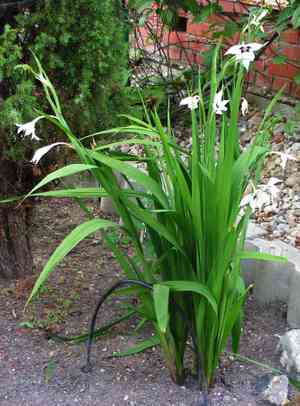
Gardeners often seek plants that not only thrive in their outdoor spaces but also offer distinct charm and beauty. Acidanthera, with its delicate blossoms and elegant form, stands out as an excellent option. Its aesthetic allure stems from its graceful flowers that gently sway, creating a peaceful and captivating atmosphere. This plant can serve as a focal point or a complementary element in existing floral arrangements. Its adaptability to both contemporary and classic garden designs makes Acidanthera a versatile choice for enhancing your garden's visual interest.
Acidanthera's role in garden themes and styles
Incorporating Acidanthera into your garden can significantly impact its overall theme and aesthetic. Whether you're aiming for a cottage garden brimming with colors and textures or a minimalist Zen garden, Acidanthera can adapt and elevate the desired mood. For instance, in a cottage garden, Acidanthera's purity and elegance might beautifully contrast with more vibrant flowers, creating a balanced and harmonious look. Conversely, in a Japanese-inspired garden, Acidanthera's serene presence contributes to the garden's calm and reflective ambiance.
Selecting the Ideal Spot for Acidanthera
Evaluating light exposure needs
When adding Acidanthera to your garden, consider its sunlight and shade requirements for optimal development. Acidanthera generally flourishes in locations receiving ample sunlight, ideally around six hours daily. However, it can also tolerate partial shade. Choosing the correct site ensures Acidanthera will produce its most vivid blooms. Observing your garden throughout the day will help pinpoint the best spots where sunlight is sufficient without being too intense, thereby supporting Acidanthera's growth and overall vitality.
Considering soil composition and drainage
Soil quality and drainage are crucial factors for maintaining healthy Acidanthera. This plant prefers well-draining soil rich in organic matter. Poorly drained soil can lead to root rot and other problems, so enriching your garden soil with compost or other organic materials can be beneficial. Performing a simple soil drainage test can help determine if the location is suitable for Acidanthera. If needed, consider raised beds or amending the soil to improve drainage, ensuring Acidanthera receives the conditions it needs to thrive.
Pairing Acidanthera with Other Plants
Harmonizing colors and textures
Creating an attractive garden involves carefully choosing plants that complement each other in terms of color and texture. Acidanthera excels in this aspect with its striking yet soft flowers and foliage. Pairing Acidanthera with plants that have contrasting foliage, such as bold grasses or colorful perennials, can create a dynamic and engaging landscape. Consider your garden's color scheme; Acidanthera's subtle hues can offer a calming contrast to more vibrant plants, ensuring a cohesive and balanced appearance.
Height and spacing for balanced design
Achieving a balanced design requires thoughtful consideration of plant heights and spacing. Acidanthera typically grows to a height that can provide a vertical element, drawing the eye upward and adding depth to your garden. It is important to space the plants adequately to allow for proper air circulation and growth. Grouping Acidanthera in clusters can create a more impactful display, while spacing them individually can help integrate them seamlessly into mixed borders. Ensuring ample space between plants also helps prevent overcrowding and promotes healthier growth.
Seasonal Care for Acidanthera
Optimal planting and flowering periods
Understanding Acidanthera's seasonal needs is vital for maximizing its potential in your garden. The ideal planting time for Acidanthera is in the spring, once the risk of frost has passed and the soil has warmed. This timing allows Acidanthera to establish roots and prepare for its blooming season, which typically occurs in late summer to early fall. Monitoring local weather patterns and adjusting planting schedules accordingly will help ensure Acidanthera blooms at its best, providing a stunning display during the peak of the gardening season.
Preparing Acidanthera for various seasons
Different seasons present varying challenges and opportunities for Acidanthera. During the growing season, consistent watering and mulching can help retain moisture and provide nutrients. As colder months approach, Acidanthera may require extra protection, especially in regions with harsh winters. Heavy mulching and, in some cases, lifting and storing bulbs indoors can prevent frost damage and ensure Acidanthera survives to bloom again. Understanding Acidanthera's seasonal cycles allows gardeners to provide the right care at the right time, ensuring continued health and beauty.
Acidanthera Maintenance Guidelines
Routine inspections and basic care practices
Maintaining healthy Acidanthera involves regular inspections and adhering to basic care routines. Regularly check the plants for signs of stress or disease and address any issues promptly. Ensuring consistent watering, especially during dry periods, is crucial for Acidanthera's growth. Removing spent flowers not only promotes tidiness but also encourages more blooms. Additionally, fertilizing during the growing season with a balanced fertilizer provides essential nutrients, supporting robust health and vibrant blossoms.
Managing pests and common problems
Like all plants, Acidanthera can be susceptible to pests and diseases. Common pests such as aphids, slugs, and spider mites can affect Acidanthera, but regular monitoring and natural pest control methods, like introducing beneficial insects or using organic deterrents, can help manage these issues. Being vigilant about pests and promptly addressing any infestations will protect Acidanthera and ensure its continued health. Furthermore, providing optimal growing conditions minimizes the risk of diseases, allowing Acidanthera to thrive and enhance your garden landscape.



