How to Propagate Acidanthera?
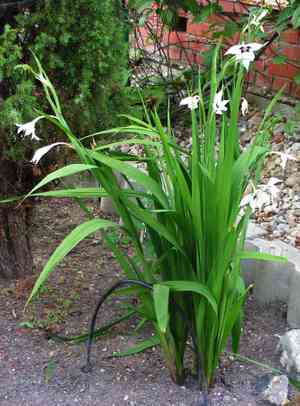
Acidanthera, a species within the Iridaceae family, is recognized for its graceful appearance, featuring blade-like leaves and aromatic, white flowers reminiscent of Gladiolus. Effective propagation largely depends on dividing its tubers. Cultivators ought to meticulously detach sound tubers from the parent plant once the blooming period concludes, making certain that every segment possesses at least one viable bud. These segments can then be directly placed into soil that drains efficiently, enhanced with organic material to cultivate an ideal setting for root expansion. Consistent irrigation and preventing overly saturated soil will encourage the development of vigorous new plants.
Optimal Time for Acidanthera Propagation
Propagation Method
Utilize The Tubers
Propagation Period
Spring
Tools Required for Acidanthera Propagation
Sharp Knife or Scalpel
This instrument is essential for making clean cuts on acidanthera tubers, minimizing tissue damage. A precise cut helps prevent infections and promotes better root development on each divided tuber.
Gardening Gloves
Wearing gloves is vital when handling acidanthera tubers to avoid skin irritation from direct contact and to safeguard the tubers from contaminants on the propagator's hands.
Sterilizing Agent (e.g., Rubbing Alcohol or Hydrogen Peroxide)
Use to sanitize cutting tools before and after dividing tubers. This practice prevents disease transmission between plants and ensures each cutting begins healthy.
Rooting Hormone Powder or Gel
Applying a rooting hormone to the cut surfaces of acidanthera tubers can significantly boost root growth and development in new plantings, leading to a higher propagation success rate.
Planting Medium (e.g., Potting Soil)
A well-draining, sterile potting medium supports the initial growth of acidanthera by providing an ideal environment for root development while minimizing the risk of soil-borne diseases.
Pots or Planting Containers
These are crucial for individually planting each tuber section, allowing for improved growth management and easier transplanting of acidanthera once established.
Caring for Your Newly Propagated Acidanthera
Caring for Your Newly Propagated Acidanthera
After propagating acidanthera, ensure continuous care by watering the plants regularly, especially during dry spells. Fertilize lightly with a balanced fertilizer every four to six weeks during the active growth period. Stake taller varieties to prevent wind damage. After flowering, allow the foliage to naturally wither before removal, as this helps the plant store energy for the next growing season. Protect the tubers from freezing temperatures by heavily mulching or lifting and storing them indoors over winter in colder regions.
Common Errors to Avoid When Propagating Acidanthera
Overwatering
Providing excessive water to acidanthera bulbs can lead to rot, as they are susceptible to fungal infections in overly moist conditions.
Planting Depth Error
Planting acidanthera bulbs too deep or too shallow may hinder their ability to sprout effectively, thereby impacting growth and blooming.
Ignoring Corm Condition
Using damaged or diseased corms for propagation can result in poor germination rates and could introduce diseases to the garden.
Tips For Propagating Acidanthera
Healthy Corm Selection
Choosing firm and blemish-free corms is vital for successful acidanthera propagation, as healthy starting material promotes vigorous growth.
Adequate Spacing
Allowing sufficient space between planted corms prevents overcrowding, which can lead to reduced air circulation and increases the risk of disease.
Suitable Planting Depth
Planting corms at the correct depth ensures the best chances of sprouting and development for acidanthera. Typically, planting at a depth two to three times the height of the corm is recommended.



