How Much Sunlight Do Acidanthera Need?
1
Acidanthera flourishes optimally in locations receiving ample direct sun, requiring a minimum of six hours daily.
2
Insufficient light exposure can impede Acidanthera's flowering and lead to feeble, elongated development.
3
To shield Acidanthera from intense sun, contemplate employing shade coverings during the hottest summer periods.
Ideal Light Conditions for Acidanthera
Full Sun vs. Partial Shade
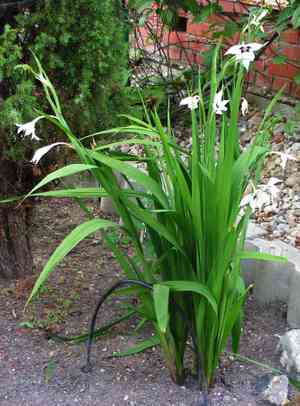
Regarding light, Acidanthera is quite specific. This plant, with its lovely white blossoms and pleasant scent, flourishes best in full sun. Full sun means it should receive at least 6 hours, preferably more, of direct sunlight daily. In areas with intense summer heat, however, some afternoon shade can prevent scorching. Conversely, Acidanthera can endure partial shade, but this often leads to fewer flowers and potentially weaker development.
Daily Light Exposure
To maintain your Acidanthera's health and abundant flowering, aim for consistent daily light exposure. Providing your plant with approximately 6-8 hours of direct sunlight not only promotes vibrant blooms but also encourages robust foliage growth. On days when full direct sunlight isn't feasible, try to ensure at least the minimum threshold to sustain its well-being.
Impact of Insufficient Light on Acidanthera
Indicators of Low Light Exposure
When Acidanthera isn't getting enough light, it exhibits several clear signs. The most obvious indicator is a lack of flowering, as buds may fail to form or open. Additionally, the plant's leaves might yellow or appear pale and washed out. You might also observe elongated, stretched stems as the plant attempts to reach more lightâthis is known as etiolation.
Effect on Development and Flowering
Inadequate light directly affects Acidanthera's growth and blooming phases. With less light, photosynthesis is reduced, meaning the plant generates less energy for development and flowering. This can result in stunted growth, making the plant appear weak and spindly. Consequently, fewer blooms may emerge, diminishing the plant's aesthetic appeal.
Recommendations for Ensuring Proper Light for Acidanthera
Selecting the Appropriate Planting Site
Choosing the optimal location for planting Acidanthera is essential. Pick a spot in your garden that receives ample sunlight throughout the day. If you reside in a region with extremely hot afternoons, you might seek an area that gets morning sunlight and some afternoon shade. Ensure the site is well-draining to prevent root rot.
Adjusting Indoor Light Conditions
If you're cultivating Acidanthera indoors, it's crucial to place the plant in a bright location, such as near a south-facing window. If natural light is insufficient, consider using grow lights to supplement the illumination. Position these grow lights about 12-18 inches (30-45 cm) above the plant to mimic the intensity of natural sunlight.
Seasonal Light Adjustments
The amount of available light varies with the seasons. During winter, when daylight hours are shorter, you might need to relocate your plant to a sunnier spot or extend daylight using grow lights. During summer, be mindful of the midday sun's intensity, and if necessary, place a light shade cloth over the plant to shield it from excessive heat.
How to Safeguard Acidanthera from Excessive Light
Recognizing Sunburn Symptoms
Overexposure to light might harm your Acidanthera. Signs of sunburn include brown or scorched leaves, often beginning at the tips and edges. The affected leaves may become brittle and crisp. It's vital to act quickly to prevent further damage by moving the plant to a less intense light exposure.
Utilizing Shade Cloths or Garden Fabrics
If you notice your Acidanthera suffering from too much sun, consider employing shade cloths or garden fabrics to lessen the exposure. These cloths can reduce light intensity by 30-50% but still allow sufficient light for the plant's requirements. Place the cloth over a frame or directly above the plants to create a cooler, filtered light environment.
Common Questions About Acidanthera and Light
Can Acidanthera Thrive Indoors?
Yes, Acidanthera can be grown indoors if it receives adequate light. Ensure it is positioned near a bright window where it can get several hours of direct sunlight daily. If natural light is limited, supplement with grow lights to provide the intensity it needs.
What is the Optimal Time of Day for Light Exposure?
The best time of day for Acidanthera to receive light is in the morning. Morning sunlight is less intense and powerful, which reduces the risk of overheating and sunburn. Aim for your plant to get most of its daily light before midday, ensuring it remains healthy and vibrant.



