The Acidanthera Plant Advantage: Maximizing Home and Office Appeal and Wellness
1
Acidanthera is celebrated for its impressive and aromatic blooms.
2
This species flourishes in bright locations with soil that drains effectively.
3
Acidanthera draws in beneficial insects, enhancing ecological variety in your outdoor space.
What Are the Primary Advantages of Cultivating Acidanthera?
Visually Appealing Appearance
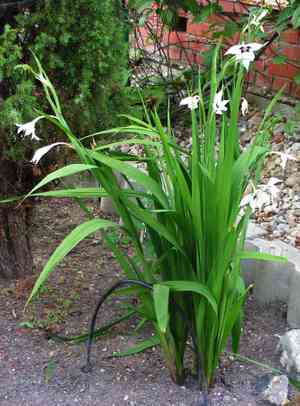
Acidanthera showcases magnificent, star-shaped blossoms in white with deep maroon centers. This distinct coloring and graceful form make it a superb option for garden edges, flower beds, and container plantings. Its elegant, tall stalks also introduce a vertical element to garden layouts, offering depth and structure.
Aroma that Pleases the Senses
A highly praised feature of Acidanthera is its captivating scent. The blooms release a sweet, intoxicating fragrance that can transform your garden into a sensory haven. This aroma is not only delightful to humans but also draws beneficial insects like bees and butterflies, boosting pollination and contributing to a thriving garden ecosystem.
How to Cultivate and Maintain Acidanthera?
Planting Requirements
Acidanthera flourishes in sunny spots with well-drained soil. It's crucial to plant it where it will receive at least six hours of sunlight daily to ensure abundant flowering. The soil should be moderately fertile, and enriching it with organic matter before planting is beneficial to enhance its nutrient content.
Watering and Upkeep
While Acidanthera prefers well-drained soil, it also needs consistent moisture, especially during its active growth phase. Water the plant regularly, ensuring the soil remains damp but not waterlogged. Applying mulch around the base can help retain soil moisture and keep roots cool in hot weather. Additionally, remove spent flowers to encourage continuous blooming and cut back foliage only after it has yellowed and withered.
What Role Does Acidanthera Play in Supporting Biodiversity?
Attracting Pollinators
A significant advantage of growing Acidanthera is its capacity to draw in pollinators. The plant's fragrant flowers are highly appealing to bees, butterflies, and even hummingbirds. By adding Acidanthera to your garden, you're not only enhancing its beauty but also supporting the local ecosystem by providing vital nectar sources for these beneficial creatures.
Promoting Garden Health
Incorporating Acidanthera into your garden can foster overall garden vitality. By attracting pollinators, the plant aids in the successful pollination of various other flowering plants and vegetables in your garden. This increased pollination can lead to higher yields and more vigorous plant growth, contributing to a flourishing garden environment.
Can Acidanthera Be Utilized in Landscape Designs?
Perfect for Borders and Edges
Acidanthera is an excellent choice for creating vibrant borders and edges in landscaped gardens. Its tall, graceful stems and clusters of flowers can define areas, forming natural boundaries that are both practical and visually appealing. The plant's height and striking appearance make it a focal point in any garden design.
Complementing Other Plants
Acidanthera pairs well with various other plants, thanks to its adaptable aesthetics and growth habits. It can be used to complement low-growing perennials or annuals, creating dynamic layers of color and texture. Furthermore, Acidanthera can serve as a foreground plant to taller shrubs and trees, offering an eye-catching contrast that enhances the overall landscape composition.
What Are the Methods for Propagating Acidanthera?
Propagation Via Corms
Acidanthera propagation is typically achieved through corms, which are bulb-like structures that store nutrients. To propagate, you can either buy new corms or divide existing ones from mature plants. Plant corms in well-drained soil during the spring, spacing them about 4-6 inches apart and burying them approximately 3-4 inches deep.
Caring for Divided Corms
When dividing corms from an existing plant, select healthy, firm corms for replanting. After digging them up, allow the corms to dry for a few days in a shaded spot before replanting. This drying period helps prevent rot and encourages successful regrowth. Once dried, follow the same planting guidelines to ensure healthy development.



