How to Prune Acidanthera?
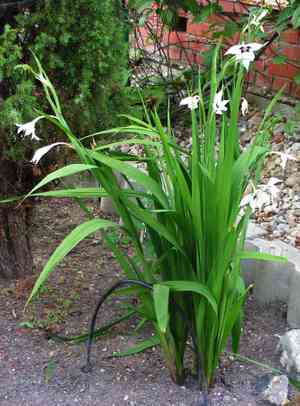
Acidanthera, recognized for its aromatic, white flowers featuring burgundy cores, flourishes in adequately drained soil under complete sunlight. Trimming is most effective subsequent to blooming to foster the plant's well-being. Primary methods involve removing faded flowers and reducing foliage once it discolors. Pruning in the latter part of spring stimulates more robust development and bigger flowers. Bulb maintenance is crucial; excavating and separating every 3 to 4 years prevents excessive density. Pruning aids acidanthera by revitalizing its growth and guaranteeing peak flowering in the subsequent period.
What Are the Benefits of Pruning Acidanthera?
What Are the Benefits of Pruning Acidanthera?
Trimming acidanthera promotes robust development and helps maintain its desired form, ensuring a neat and visually appealing look. It encourages the growth of new, healthy stems that contribute to a strong structure.
What Is the Best Time for Pruning Acidanthera?
What Is the Best Time for Pruning Acidanthera?
Pruning in late spring allows acidanthera to direct its energy towards establishing strong growth and preparing for its flowering period. This is the time after the plant emerges from dormancy and can quickly recover from pruning stress. Trimming during summer is beneficial for maintaining the plant's shape and encouraging new bud development, which can lead to a more abundant flowering season. This timing also enables gardeners to remove any spent blooms from acidanthera, potentially stimulating a second bloom and helping prevent disease by improving air circulation around the plant.
What Tools Do I Need to Prune Acidanthera?
By-pass Pruners
Perfect for making clean and precise cuts on acidanthera, by-pass pruners operate like scissors, with two curved blades that slide past each other. This type of pruner is especially effective for cutting through the plant's slender stems without causing harm.
Gloves
While not a cutting tool, gloves are essential when handling acidanthera, as they protect the gardener's hands from potential irritants on the plant's foliage and ensure a secure grip on the pruning tools.
Pruning Shears
Pruning shears with sharp blades are suitable for trimming spent blooms or cutting back acidanthera foliage after the plant dies back. They offer a comfortable grip and precise control, important for maintaining the plant's aesthetic.
How to Prune Acidanthera
Disinfect Tools
Before beginning, sanitize your pruning tools with a solution of 1 part bleach to 9 parts water to prevent the spread of any disease.
Remove Diseased Leaves
Using clean, sharp scissors or shears, carefully cut away any diseased leaves from acidanthera at the point where the leaf meets the stem. Avoid tearing the leaves as this can create jagged edges that are more susceptible to disease.
Trim Withered Leaves
Identify and remove any withered leaves from acidanthera by snipping them off at the base to encourage healthy growth and air circulation around the plant. Ensure clean cuts to aid in faster healing.
Prune Diseased Stems
Examine acidanthera for diseased stems and remove them by cutting at a healthy section just above a leaf node or the base of the plant, depending on the extent of the damage. Make cuts at a 45-degree angle to facilitate water runoff and healing.
Clean Up
After pruning acidanthera, clear away all removed foliage from the area to prevent any diseases from spreading. Dispose of or compost the plant debris appropriately.
Common Pruning Mistakes with Acidanthera
Overzealous Cutting
Removing too much foliage or cutting into the bulb can harm acidanthera, as it relies on its leaves to gather energy for the next season's growth.
Improper Tool Use
Using dull or unclean pruning tools can result in jagged cuts and increase the risk of disease.
Pruning Live Flower Spikes
Cutting the flower spikes while acidanthera is still in bloom or while buds are present can prevent the plant from blooming to its full potential.
Discarding Offshore Bulbs Too Early
Removing and discarding offshore bulbs as dead material may cause the loss of potential new plants; they should be preserved until they can be replanted.
Neglecting Diseased Material
Failing to remove diseased leaves or stalks from acidanthera can lead to the spread of diseases to other parts of the plant or to neighboring plants.
Common Pruning Tips for Acidanthera
Post Blooming Removal
After acidanthera has finished flowering, cut the flower stalks back to the base to prevent seed formation and to redirect energy to the bulb.
Clean Cut Implementation
Make sure to use sharp, clean clippers or scissors to make clean cuts, reducing damage to the plant tissue.
Diseased Material Handling
If any part of acidanthera shows signs of disease or damage, remove and dispose of it immediately to avoid contaminating healthy parts.
Offshoot Preservation
When tidying up the plant, carefully preserve healthy offshoot bulbs for replanting, as they are crucial for the propagation of acidanthera.
Minimal Pruning Approach
Adopt a minimal and gentle pruning approach, since acidanthera primarily needs dead material removed and will thrive with as much live foliage as possible left intact.



