How to Transplant Chequered daffodil?
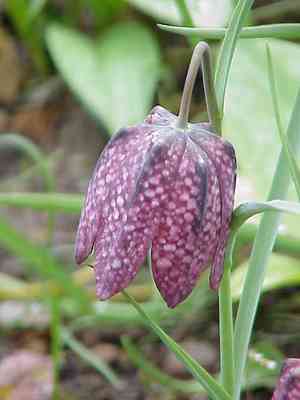
The ideal period to relocate chequered daffodil is at the onset of spring, when the moderate climate aids in root development. Choose a location with partial sunlight, making sure the soil is damp and drains effectively. Should the plants be too dense, carefully separate them to promote robust growth.
What Preparations are Needed Before Transplanting Chequered Daffodil?
What is the Ideal Time for Transplanting Chequered Daffodil?
The optimal period for relocating chequered daffodil is when warmer weather begins, as winter's cold recedes. This timeframe, spanning early to mid-spring, promotes robust root development while the soil remains cool and moist, which is crucial for chequered daffodil. Moving chequered daffodil during this season aligns with its natural growth cycle, encouraging vigorous development and enhancing the garden's appeal with chequered daffodil's distinctive blooms next season. Seize this opportunity to ensure chequered daffodil flourishes, establishing strong roots for a vibrant display.
How Much Space Should You Leave Between Chequered Daffodil Plants?
For chequered daffodil, it's best to maintain a 4-6 inch (10-15 cm) gap between each plant during relocation. This allows them to grow without competing for resources. Rest assured, they will still form an attractive cluster. Happy Transplanting!
What is the Best Soil Mix for Chequered Daffodil Transplanting?
Before planting chequered daffodil, enrich your soil with some compost and a balanced granular fertilizer. This will provide a rich, well-drained 'loamy' base for growth. Remember, healthy soil leads to thriving plants.
Where Should You Relocate Your Chequered Daffodil?
Seek a spot that receives ample morning sunlight, but offers partial shade in the afternoon. Chequered daffodil appreciates some sun, but excessive exposure can be detrimental. Maintain a healthy balance for optimal growth!
What Equipments Should You Prepare Before Transplantation Chequered Daffodil?
Gardening Gloves
To shield your hands from dirt and abrasive plant parts.
Spade or Shovel
For excavating the plant from its original spot and placing it in the new one.
Garden Trowel
To carefully dig around young plants or more delicate specimens.
Watering Can
To keep the plant hydrated throughout the process.
Wheelbarrow
To move the plant and soil without causing damage.
Large Plastic Bag or Tarp
To position beneath the plant when digging it out and for transport, to keep the root ball intact.
How Do You Remove Chequered Daffodil from the Soil?
How Do You Remove Chequered Daffodil from the Soil?
From Ground: Gently irrigate the chequered daffodil plant to moisten the soil. This facilitates digging and helps protect the roots. Use a spade or shovel to dig a circle around the plant, wide enough to encompass all roots. Carefully work the spade beneath the root ball and lift the plant.From Pot: Water the chequered daffodil to ensure the soil is damp. Tilt the pot sideways, hold the plant at its base, and extract it while tapping the pot's bottom.From Seedling Tray: Ensure the soil is moist. Use a garden trowel to dig under the seedling, including as many roots as possible, and lift it gently from the tray.
Step-by-Step Guide for Transplanting Chequered Daffodil
Digging
Excavate a hole in the new location that is twice as wide and as deep as the chequered daffodil's root ball. This provides ample space for its roots to spread.
Placement
Position the chequered daffodil in the hole. The top of the root ball should be level with the ground surface.
Backfilling
Carefully refill the hole with soil, gently firming it around the plant's base.
Watering
Thoroughly water the plant immediately after transplanting. This aids in settling the soil around the root ball.
How Do You Care For Chequered Daffodil After Transplanting?
Watering
Ensure the chequered daffodil remains adequately watered, but not waterlogged, for the initial weeks to establish robust roots.
Pruning
Remove any damaged or withered leaves, which can drain the plant's energy. However, avoid excessive pruning as chequered daffodil requires foliage for photosynthesis.
Monitoring Growth
Closely observe chequered daffodil after transplantation, noting any changes in leaf color or growth pattern as these could indicate transplant shock. If such signs are observed, consider consulting a plant expert.
Troubleshooting Common Issues with Chequered Daffodil Transplantation.
When is the best time to transplant chequered daffodil?
The ideal time to move chequered daffodil is during S1-S2. This helps the plant to establish new roots before the growth period starts.
What is the optimal spacing for chequered daffodil while transplanting?
When transplanting chequered daffodil, ensure you allow about 4-6 inches (10-15 cm) of space between each plant. This allows enough room for growth and root development.
Why is chequered daffodil wilting after transplant?
Wilting after transplanting is normally due to water stress. Ensure chequered daffodil is kept consistently moist, but careful not to overwater as this could lead to root rot.
What should I do if chequered daffodil isn't growing after transplantation?
Patience is key with chequered daffodil. If growth doesn't appear within a few weeks, ensure you're watering regularly and the plant is getting enough sunlight. Superphosphate can also help stimulate root growth.
Why does chequered daffodil seem stunted or deformed after transplanting?
If chequered daffodil seems deformed or stunted post-transplantation, it could be due to root disturbance. Fritillaria meleagris prefer their roots to be left undisturbed once planted. Therefore, be gentle during transplantation.
How to address yellowing leaves on chequered daffodil post-transplantation?
Yellowing leaves on chequered daffodil may indicate overwatering or a nutritional deficiency. Try cutting back on watering, and consider using a slow-release, balanced fertilizer to supplement nutrition.
Why have the blooms on chequered daffodil diminished after transplanting?
Diminished blooming on chequered daffodil might be due to planting depth. Make sure to plant the bulbs 3-4 inch deep (7.5-10 cm). Too shallow or deep can affect flower production.
What should be done if chequered daffodil's leaves are browning after transplantation?
Browning leaves on chequered daffodil could be a sign of too much sun. Although chequered daffodil enjoys sunlight, it also needs some shade, especially during hotter hours. Try moving the plant to a shadier spot.
What should I do if the transplanted chequered daffodil appears droopy?
Chequered daffodil may droop if they're not getting enough water, or if the soil is poor. Increase watering, or try improving soil conditions with compost or organic material.
Why does chequered daffodil get fungal disease after transplantation?
Fungal diseases in chequered daffodil could emerge from too much moisture or poor air circulation. Make sure the plant is watered at the soil level to avoid damp leaves and ensure good spacing for better air movement.



