How Much Sunlight Do Chequered daffodil Need?
1
The Fritillaria meleagris flourishes with over six hours of direct sun each day.
2
It can handle some shade, but full sun exposure is best for flowering.
3
Excessive sun exposure may lead to burned leaves, whereas insufficient light can hinder development.
Ideal Light Conditions for Chequered daffodil
Full Sun Requirements
The Chequered daffodil, recognized for its distinct checkered design, flourishes best when exposed to ample sunlight. This means the plant needs at least 6 hours of direct sun daily. Full sun encourages optimal blooming, enhancing both the quantity and vibrancy of flowers.
Partial Shade Adaptability
While the Chequered daffodil prefers full sun, it can endure partial shade better than many other flowering species. If your garden receives 3-6 hours of sunlight daily, this daffodil will still grow and flower, though its blooms might be less vivid than those in full sun.
Impacts of Excessive Sunlight
Exposing the Chequered daffodil to too much direct sun can cause leaf burn, where leaf margins turn brown and dry. This can stress the plant and diminish its vitality. To guard against intense sunlight, consider providing some afternoon shade or using a light screen to filter the sun's rays.
Impacts of Insufficient Sunlight
Inadequate sunlight can hinder the Chequered daffodil's development. The plant may become elongated and weak, producing fewer and duller blooms. Poor light exposure can also increase its vulnerability to pests and diseases, emphasizing the importance of selecting an appropriate garden location.
Seasonal Light Considerations for Chequered daffodil
Spring Light Needs
In spring, as the Chequered daffodil begins its growth phase, it's vital to ensure the plant receives sufficient light to fuel its development. Position the daffodils where they can absorb the morning spring sun to support vigorous flowering.
Summer Light Needs
During summer, maintaining the correct light balance is crucial. While the plant enjoys sunlight, intense summer heat and strong rays can be harmful. Providing some afternoon shade can help shield the Chequered daffodil from potential heat stress and dehydration.
Fall Light Needs
In autumn, as the Chequered daffodil prepares for dormancy, sunlight remains essential for maintaining energy reserves. Ensure the plant gets enough light through the fall to establish robust roots for the subsequent growing season.
Winter Light Needs
Although the Chequered daffodil is dormant in winter, ensuring future planting sites have good light exposure can set the stage for a successful spring growing season. Clear any potential obstructions that might block sunlight when spring arrives.
Optimal Placement for Chequered daffodil Based on Light
Best Garden Location
When selecting a garden spot for your Chequered daffodil, seek areas that receive full sunlight for most of the day. Ideal spots are often south-facing parts of your garden, which get extended sun exposure. Ensure the soil drains well to prevent waterlogging while allowing roots to access sunlight.
Utilizing Light in Container Cultivation
Container growing offers flexibility in ensuring your Chequered daffodil receives optimal light. Place containers in sunny locations and reposition them as needed to follow the sun throughout the day. Containers also allow you to bring the daffodils indoors during harsh weather, ensuring consistent light exposure.
Adapting to Changing Weather Conditions
Managing Light During Heatwaves
During heatwaves, intense sunlight can overheat the Chequered daffodil. To manage this, consider using shade cloths or moving potted plants to provide protection from the harsh afternoon sun. Regularly check soil moisture, as high temperatures can cause it to dry out quickly.
Ensuring Adequate Light During Wet Seasons
In rainy seasons, ensure the Chequered daffodil still receives sufficient light. Avoid planting under dense trees or structures that block sunlight. If heavy rain persists, consider moving container plants to spots where they can access more light, helping them avoid excessive moisture and potential root rot.
Indicators Your Chequered daffodil is Receiving Proper Sunlight
Signs of Healthy Growth
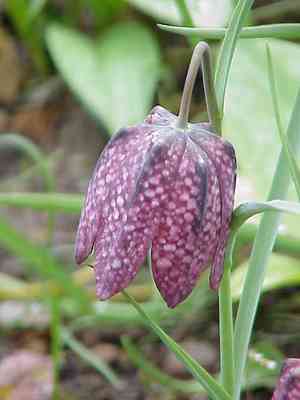
Healthy Chequered daffodils display vibrant green foliage and abundant blooms. The flowers should clearly show their characteristic checkered pattern. The presence of strong stems and continuous growth throughout the season also indicates adequate light exposure.
Signs of Light Stress
If your Chequered daffodil is experiencing light stress, you'll notice symptoms like yellowing leaves, scorched edges, wilting, or stunted growth. Reduced flowering and leaf drop can also signal insufficient or excessive light. Adjusting the plant's exposure can alleviate these issues and promote healthier development.



