The Hidden Danger in Your Home? Unmasking the Toxicity of the Chequered daffodil Plant.
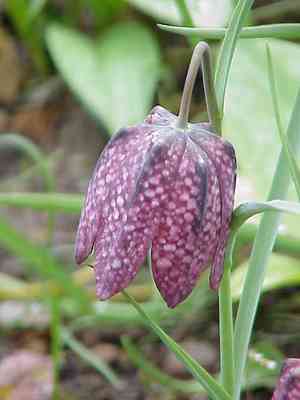
1
Every component of the chequered daffodil is poisonous, with toxicity possible via contact and consumption, impacting people, felines, and canines.
2
Ingesting Imperialine can lead to symptoms such as digestive upset and serious neurological problems like lightheadedness and confusion.
3
Tulipalin A, an allergen found in chequered daffodil, triggers dermal responses in humans and allergic reactions in animals.
Is Chequered daffodil toxic to humans?
The chequered daffodil presents a moderate toxicity hazard to people, potentially triggering allergic responses. Every part of this plant is poisonous, and harm can result from both physical contact and consumption. Touching the plant might cause skin sensitivities due to Tulipalin A. If eaten, the harmful compound Imperialine can lead to digestive issues, including sickness, throwing up, and loose stools. In serious instances, neurological signs like lightheadedness and confusion might also appear. Given its moderate toxicity, individuals should be careful to prevent accidental eating and direct contact with any part of the chequered daffodil.
Is Chequered daffodil toxic to cat?
The chequered daffodil carries a moderate toxicity danger for felines, who might face harm through skin exposure or unintentional eating. The whole plant contains harmful compounds, such as Imperialine and the allergen Tulipalin A. Following exposure, a cat might show signs of physical discomfort. It's vital to be watchful and stop cats from touching or consuming any part of the chequered daffodil. If a cat displays signs of distress or sickness after interacting with the chequered daffodil, prompt veterinary care is essential.
Is Chequered daffodil toxic to dog?
The chequered daffodil is thought to possess a moderate toxicity level for canines. Exposure to this plant can happen in various ways, including direct skin contact or accidental ingestion. Dogs that touch or consume any part of the chequered daffodil, which is entirely poisonous, might show symptoms indicating poisoning. These symptoms could range from digestive upset, such as vomiting and diarrhea, to more serious reactions like tremors or heart issues due to Imperialine. Furthermore, allergic reactions marked by skin irritation can occur because of Tulipalin A. If a dog shows any signs of distress after chequered daffodil exposure, pet owners must seek immediate veterinary attention for the best outcome for their animal.



