How to Prune Chequered daffodil?
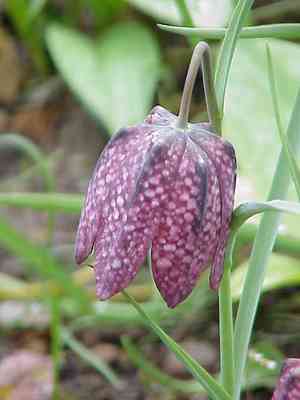
Recognized for its distinctive checkerboard-patterned petals, chequered daffodil flourishes when aged leaves are trimmed once they turn yellow. This perennial bulb benefits from removing spent flowers after blooming, but extensive cutting is not necessary. Trimming should occur after the spring flowering period, refraining from premature cuts that could deplete the bulb's energy reserves. The plant naturally recedes into its bulb, indicating the conclusion of the pruning period. Consistent removal of faded blooms enhances vitality, directing the plant's resources towards bulb development instead of seed formation.
Advantages of Trimming Chequered Daffodil
Advantages of Trimming Chequered Daffodil
Trimming chequered daffodil promotes a more vigorous and abundant flowering period. By removing faded blooms and seed pods, resources are directed towards new development. Regular trimming maintains chequered daffodil's size and form, ensuring a neat appearance and robust health.
Optimal Time for Pruning Chequered Daffodil
Optimal Time for Pruning Chequered Daffodil
Late spring to early summer is the ideal period for pruning chequered daffodil, immediately following its blooming cycle. Pruning at this time allows for the removal of spent flowers before seed development, thereby redirecting the plant's energy to bulb growth and health improvement. This timing also offers an opportunity to thin out any densely packed areas, which can enhance air circulation and lower disease risk. Trimming in autumn or any dormant phase is not advised for chequered daffodil because active growth has ceased, and the plant may not recover well from pruning. Pruning during dormancy can also cause undue stress to the bulbs as they prepare for the next growing season. By focusing on the late spring to early summer window, gardeners ensure the plant retains its vitality and is well-prepared to enter dormancy in a healthier state.
Necessary Tools for Pruning Chequered Daffodil
Hand Pruners or Secateurs
These implements are suitable for cutting back chequered daffodil's foliage after it has naturally withered. The small, precise blades of hand pruners enable careful trimming without harming the bulbs or adjacent plants.
Garden Scissors or Snips
Perfect for deadheading spent chequered daffodil flowers if desired. Their accuracy ensures minimal damage to stems and remaining buds.
Gardening Gloves
Protects hands when handling chequered daffodil, as some individuals may have sensitive skin or wish to avoid contact with the sap.
How to Prune Chequered Daffodil
Sanitation
Identify and eliminate any diseased leaves using clean, sharp scissors or pruning shears. Cut affected parts back to healthy tissue to prevent disease spread in chequered daffodil. Ensure not to tear or damage the plant's tissue, as this can create an entry point for pathogens.
Cleanup
Carefully remove any withered or yellowing leaves that are no longer vibrant or healthy. These may drain energy from chequered daffodil that could be better utilized for new growth. Perform this step after diseased leaves have been addressed to prevent potential infection spread.
Deadhead
Once chequered daffodil flowers have faded and no longer contribute to ornamental value, deadhead by snipping the flower stalk at its base where it meets the foliage. This helps redirect the plant's energy into bulb development and can also promote a tidy appearance.
Disinfect
After pruning, sanitize your tools with a bleach and water solution or rubbing alcohol to prevent transmitting diseases to other plants or future growth on chequered daffodil.
Dispose
Discard all removed material, especially diseased leaves and flowers, away from the garden to reduce the risk of disease spreading to chequered daffodil or other nearby plants.
Common Pruning Errors with Chequered Daffodil
Excessive Pruning
Cutting back chequered daffodil too severely can weaken the plant. It is crucial not to remove too much foliage, as leaves are essential for photosynthesis and energy storage.
Incorrect Timing
Pruning chequered daffodil during active growth or immediately after flowering can stress the plant and diminish its vigor.
Unclean Tools
Pruning with unsanitized tools can introduce diseases to chequered daffodil.
Bulb Damage
Accidentally cutting into or harming chequered daffodil bulbs during pruning can lead to infections or negatively impact subsequent growth.
General Pruning Advice for Chequered Daffodil
Post-bloom Care
After chequered daffodil has finished blooming, remove only the spent flowers and seedpods to encourage bulb strength.
Retain Foliage
Allow chequered daffodil foliage to naturally wither. Leaves should not be pruned until they have turned yellow and dried, as they provide vital nutrients for the bulbs until dormancy.
Sharp Implements
Use sharp, clean tools for pruning chequered daffodil to make precise cuts and minimize damage to plant tissues.
Bulb Protection
When pruning nearby plants or weeding, be careful not to disturb the soil too deeply around chequered daffodil bulbs, to avoid damaging them.



