The Chequered daffodil Plant Advantage: Maximizing Home and Office Appeal and Wellness
1
Fritillaria meleagris flourishes in damp, adequately drained earth, perfect for wetland environments.
2
This species is favored for its distinctively marked blooms and visual charm.
3
Fritillaria meleagris contributes to ecological diversity by drawing beneficial insects to your outdoor space.
What Are the Visual Appeals of Chequered daffodil?
Distinctive Floral Patterns
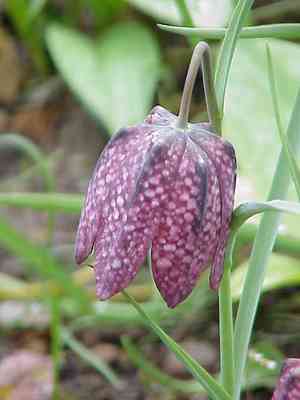
Chequered daffodil is celebrated for its characteristic checkered bloom designs, which impart a whimsical and refined touch to any garden space. These elaborate patterns make the plant a central feature in garden layouts, drawing attention and encouraging closer examination.
Seasonal Color Contribution
This plant blossoms in spring, introducing vivid hues to gardens as winter recedes. Available in shades of purple, pink, and white, Chequered daffodil can complement diverse garden color schemes. Its early flowering period also ensures your garden has color from the start of the growing season.
How Does Chequered daffodil Aid Biodiversity?
Attracting Pollinators
Chequered daffodil plays a vital role in supporting local ecosystems by drawing in pollinators such as bees and butterflies. The plant's nectar serves as a crucial food source for these insects, contributing to the overall health of your garden's biological diversity.
Promoting Habitat
Beyond attracting pollinators, Chequered daffodil offers refuge and breeding sites for various small insects and animals. Its foliage and blooms create microhabitats that sustain a wide array of species, enriching the ecological diversity of your garden.
What Are the Cultivation Advantages of Chequered daffodil?
Ease of Cultivation
Chequered daffodil is relatively simple to cultivate and demands minimal upkeep, making it an excellent option for both new and seasoned gardeners. The plant thrives in damp, well-drained soil and can endure partial shade, rendering it adaptable to various garden environments.
Naturalizing Capacity
Chequered daffodil possesses a naturalizing tendency, meaning it can spread and establish itself over time, creating a more organic and wild appearance in your garden. This self-sustaining growth can lessen the need for replanting and help maintain a flourishing garden ecosystem.
How Can Chequered daffodil Be Incorporated Into Garden Design?
Ideal for Woodland Gardens
Chequered daffodil is perfect for woodland garden settings, where it can flourish beneath the canopy of larger trees and shrubs. Its distinctive flowers provide contrast against the green backdrop, creating a visually appealing layer within the garden.
Complementary Plant Pairings
Combine Chequered daffodil with other spring-flowering bulbs like daffodils or tulips to create a stunning early-season display. It also pairs well with ferns and hostas, which can complement its delicate appearance and enhance the overall garden aesthetic.
What Are the Environmental Benefits of Chequered daffodil?
Erosion Prevention
Chequered daffodil can help prevent soil erosion due to its robust root system. When planted in areas prone to erosion, such as slopes or riverbanks, the plant's roots help to stabilize the soil and maintain the integrity of the landscape.
Water Retention
The plant's preference for moist environments means it can also aid in water retention in your garden. By planting Chequered daffodil in suitable areas, you can create microenvironments that retain more water, benefiting other moisture-loving plants and reducing the need for frequent watering.



