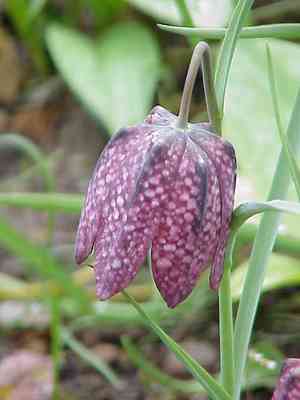
Chequered daffodil (Fritillaria meleagris)
Also known as: Chequered lily, Leper lily, Lazarus bell, Frog-cup
The Snake's Head Fritillary (Fritillaria meleagris), also referred to as the Chequered Lily, is a bulbous perennial plant from the Lily family, indigenous to Europe and western Asia. It is renowned for its distinctive bell-shaped blooms adorned with a unique checkered design. The plant's bulb is toxic due to the presence of alkaloids.
Attributes of Chequered daffodil
Images of Chequered daffodil
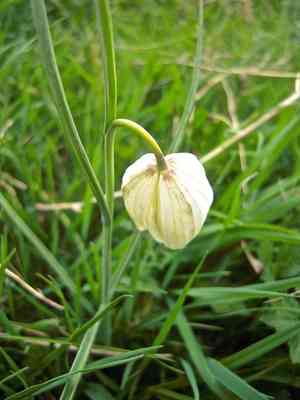
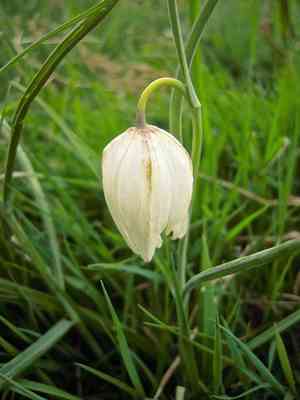
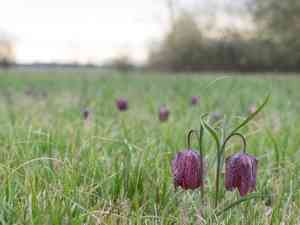
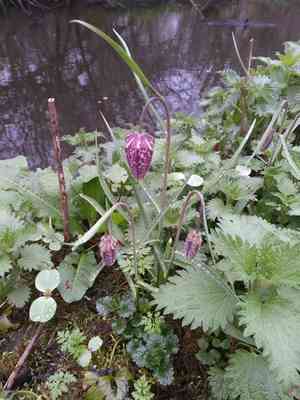
Quickly Identify Chequered daffodil
Scientific Classification of Chequered daffodil
Planting and Growing of Chequered daffodil
 How to Water Chequered daffodil?
 What Are the Sunlight Requirements for Chequered daffodil?
 What Is the Ideal Temperature Range for Chequered daffodil?
 What Soil is Best for Chequered daffodil?
 How to Fertilize Chequered daffodil?
 How to Prune Chequered daffodil?
 How to Propagate Chequered daffodil plant?
 How to Repot Chequered daffodil plant?
Toxicity of Chequered daffodil
Is Chequered daffodil toxic to humans?
The Chequered Daffodil presents a moderate toxicity risk to humans and has the potential to trigger allergic reactions. Every part of this plant is toxic, and poisoning can result from both skin contact and ingestion. Touching the plant may lead to skin allergies due to the presence of Tulipalin A. If consumed, the harmful compound Imperialine can cause gastrointestinal issues, including symptoms like nausea, vomiting, and diarrhea. In more severe instances, neurological effects such as dizziness and confusion may also develop. Due to the moderate toxicity of this plant, individuals should take precautions to prevent accidental ingestion and avoid direct contact with any portion of the chequered daffodil.
Is Chequered daffodil toxic to cat?
The Chequered Daffodil presents a moderate toxicity threat to cats, as they may encounter danger through skin contact or inadvertent ingestion. The complete plant harbors toxic compounds, such as Imperialine and the allergenic substance Tulipalin A. Following exposure, a cat may display symptoms that reflect physical distress. It is vital to remain alert and safeguard cats from both contact with and consumption of any portion of the Chequered Daffodil. If a cat shows any signs of discomfort or illness due to interaction with this plant, prompt veterinary care is imperative.
Is Chequered daffodil toxic to dog?
The chequered daffodil is recognized as possessing a moderate toxicity level towards dogs. Exposure to this plant can happen in several ways, including direct skin contact or unintentional ingestion. Dogs that touch or consume any part of the chequered daffodil, which is toxic throughout, may show signs of poisoning. These symptoms can vary from gastrointestinal distress, including vomiting and diarrhea, to more severe reactions such as tremors or heart irregularities, which are caused by the chemical Imperialine. Moreover, allergic responses, presenting as skin irritation, may occur due to the presence of Tulipalin A. If a dog displays any distress signs following exposure to chequered daffodil, it is crucial for pet owners to obtain immediate veterinary assistance to ensure the best possible outcome for their furry friend.



