How to Transplant Flannel Bush?
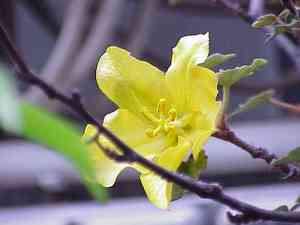
For Flannel Bush, the ideal period for relocation is when temperatures become mild, yet intense heat has not yet arrived â consider late spring through mid-summer. Select a location that receives ample sunlight and drains effectively. Bear in mind that Flannel Bush thrives with limited root disruption, so proceed gently.
Essential Preparations Before Relocating Flannel Bush?
When is the Best Period to Move Flannel Bush?
Choose the pleasant days of late spring to early summer for moving flannel Bush. The mild weather during this time allows roots to establish without the stress of midsummer heat. Transplanting flannel Bush in this season promotes maximum root development, letting the plant settle before intense temperatures. A helpful hint: this timing sets your flannel Bush up for vigorous growth and robust health, ensuring a smooth transition to its new spot.
What Distance Should You Maintain Between Flannel Bush Plants?
When placing flannel Bush, aim for a separation of approximately 6-10 feet (1.8-3m) between each plant. This provides ample room for growth and promotes their well-being. Remember, a little space now can prevent future overcrowding issues!
What is the Optimal Soil Blend for Flannel Bush Relocation?
Flannel Bush thrives in well-draining soil. Incorporate a base of organic compost into your garden to enrich nutrients and enhance soil structure. This aids your beautiful plant in quickly establishing roots and guarantees it receives all necessary sustenance.
Where is the Ideal New Location for Your Flannel Bush?
Flannel Bush loves sunny conditions! Select a garden spot that gets at least 6 hours of direct sunlight daily. This will provide your plant with the perfect light needed to flourish and display its stunning foliage. Happy gardening!
What Tools Should You Gather Before Transplanting Flannel Bush?
Gardening Gloves
To safeguard your hands while handling soil and flannel Bush.
Shovel or Spade
For excavating the necessary hole in the new site, and extracting the flannel Bush from its original position.
Garden Trowel
Useful for lifting flannel Bush from a pot or seedling tray without causing plant damage.
Wheelbarrow
To transport the flannel Bush plant and any required soil.
Watering Can or Hose
To hydrate the plant post-transplanting and maintain soil moisture.
Mulch
To cover the ground around your newly transplanted flannel Bush to help soil retain moisture and deter weeds.
Stake and gardening tape
If flannel Bush is a large shrub, it might require some support after being moved.
How Do You Extract Flannel Bush from the Ground?
How Do You Extract Flannel Bush from the Ground?
From Ground: First, gently water the flannel Bush plant. Then, dig a wide trench around the plant using a shovel or spade, ensuring enough space to keep the entire root ball intact. Carefully lift the plant from beneath the root ball to prevent root breakage.From Pot: Water the pot before starting, then gently tilt it onto its side and carefully slide out the flannel Bush plant. If it's stuck, tap the sides and bottom of the pot to loosen it. Avoid pulling the plant by its stems.From Seedling Tray: Water the seedlings first to facilitate easier removal. Tilt the tray, press the base of the individual cell, and gently coax out the flannel Bush plant, making sure to keep the soil and roots undisturbed.
Step-by-Step Guide for Relocating Flannel Bush
Hole Preparation
Dig a hole twice the width of your flannel Bush's root ball and of equal depth. The wide hole allows roots ample room to spread and grow.
Placement
Position flannel Bush in the hole, ensuring it is level with the ground. If the top of the root ball is lower than the hole's edge, add some soil underneath to raise it.
Backfilling
Refill the hole with native soil, avoiding excessive compaction around the root ball. Fill until the soil level matches its original position.
Watering
Water your flannel Bush thoroughly until the surrounding soil is moist.
Mulching
Apply a layer of mulch around the plant's base. This helps maintain soil moisture and inhibits weed growth.
How Do You Care For Flannel Bush After Relocation?
Watering Frequency
After moving the flannel Bush, keep the soil damp but not waterlogged. Water the plant deeply to encourage roots to extend into the surrounding soil. As the plant becomes established, you can reduce watering.
Pruning
If the flannel Bush appears stressed after relocation, pruning can lessen the strain on its resources. However, do not prune the plant immediately after transplanting; wait until it shows signs of new growth.
Protect from Weather
Shield the newly relocated flannel Bush from harsh weather conditions such as strong winds or frost.
Check for Pests
Regularly inspect the flannel Bush for any indications of pests or disease. Early detection leads to simpler management and boosts the plant's chances of survival.
Troubleshooting Common Issues with Flannel Bush Transplantation.
When is the best time to transplant flannel Bush?
The ideal period for moving flannel Bush is during stages 3-5, which corresponds to late spring through early autumn.
How far apart should flannel Bush be spaced during transplanting?
You should maintain a generous spacing of approximately 6-10 feet (1.8-3 meters) between each flannel Bush to allow them to reach their full size.
Why is my freshly transplanted flannel Bush losing its leaves?
Leaf drop in flannel Bush after transplant can occur if the plant is overwatered. Ensure the soil is well-drained and only slightly moist to prevent this issue.
Can flannel Bush be transplanted into pots instead of in the ground?
Absolutely, flannel Bush can be moved into containers. Just ensure they have ample space for their roots to spread and grow.
What should I do if my transplanted flannel Bush isn't blooming?
Ensure that flannel Bush receives full sunlight to encourage flowering. Also, be patient as older plants require time to adjust after the relocation process.
How should I prepare the soil before transplanting flannel Bush?
Before moving flannel Bush, ensure your soil is loose and enriched with organic matter. This guarantees the plant has sufficient nutrients for growth.
Why is my transplanted flannel Bush wilting after a few days?
Wilting could be due to insufficient sunlight or extreme weather conditions. Maintain a consistent watering schedule and protect flannel Bush from harsh weather.
What is the height range flannel Bush can reach after transplantation?
Flannel Bush can attain heights between 6-10 feet (1.8-3 meters) after relocation. Therefore, ensure adequate vertical space when selecting the planting site.
Why are the leaves of my transplanted flannel Bush turning yellow?
Yellowing leaves may indicate excessive watering or poor drainage. Ensure you're not saturating your flannel Bush and that the plant has an effective drainage system.
Can I transplant flannel Bush in colder climates?
While flannel Bush prefers warm climates, they can be successfully moved to colder regions, provided they are shielded from frost and extreme temperatures.



