Enhancing Your Garden Design with the Flannel Bush Plant: A Landscaping Guide
1
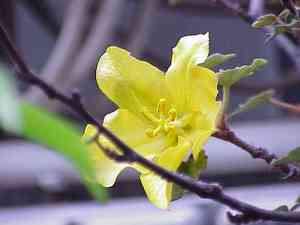
Flannel Bush flourishes in diverse garden environments, offering vivid hues and tactile appeal.
2
Selecting an appropriate site for Flannel Bush is vital for its development and the garden's aesthetic.
3
Consistent care for Flannel Bush aids in preventing typical developmental and wellness issues.
Introducing Flannel Bush in Landscaping
Appreciating the visual charm of Flannel Bush
The visual appeal of Flannel Bush stems from its striking look. Its bold, vibrant blooms introduce a burst of color to any garden, making it a prominent feature in landscape design. The plant's textured leaves and branching patterns contribute to its distinct appearance, offering both visual and tactile interest. Integrating Flannel Bush into your garden means adding an element that not only grabs attention but also elevates the overall beauty of your outdoor area.
Key characteristics of Flannel Bush that enhance outdoor spaces
Flannel Bush is recognized for its semi-evergreen nature, meaning it keeps its leaves for most of the year, ensuring continuous visual interest. This plant thrives in various soil types and can even endure drought, making it a low-maintenance yet attractive addition to any garden. Its adaptability to diverse conditions and its resistance to pests and diseases further boost its appeal, making it both a practical and beautiful choice for garden landscapes.
Designing Your Garden with Flannel Bush
Integrating Flannel Bush into garden themes
When planning your garden, Flannel Bush can be smoothly incorporated into various themes. Its rustic charm complements naturalistic and cottage garden styles, while its bright flowers can also add a vibrant touch to modern and contemporary settings. Consider using Flannel Bush as a central element in themed gardens, where its unique appearance can act as a focal point around which other components are arranged. Pairing it with similar climate-adapted plants ensures harmony and cohesion in your chosen theme.
Selecting the optimal location for Flannel Bush in your garden
Placement is vital for the successful growth of Flannel Bush. Ensure it is situated in an area that receives ample sunlight, as it flourishes best in full sun to partial shade. The soil should drain well, and if needed, consider adding compost to improve its condition. Since Flannel Bush can grow quite large, allocate sufficient space to accommodate its growth, considering both its height and spread. By carefully choosing the right spot, you'll help Flannel Bush thrive and become a vibrant part of your landscape.
Companion plants and foliage that complement Flannel Bush
Choosing suitable companion plants can significantly amplify the impact of Flannel Bush in your garden. Plants like lavender, sage, and other drought-tolerant species make excellent companions as they thrive in similar conditions. Additionally, considering foliage contrast is beneficial; for instance, pairing Flannel Bush's bold leaves with the finer textures of ornamental grasses or the feathery leaves of ferns can create a diverse and appealing visual landscape. Such thoughtful combinations can lead to a more dynamic and engaging garden design.
Maintaining Flannel Bush in Your Landscape
Seasonal care guidelines for Flannel Bush
Caring for Flannel Bush throughout the seasons involves a few key practices. In spring, focus on removing any dead or damaged branches to encourage healthy new growth. During the summer, ensure it receives adequate water, but be cautious of overwatering. Fall is the time to mulch around the base to retain moisture and protect roots. Winter care includes covering the plant in extremely cold conditions to prevent frost damage. By following these seasonal tips, you can ensure Flannel Bush remains healthy and vibrant year-round.
Controlling growth and spread
Flannel Bush can spread extensively, so managing its growth is crucial. Regular pruning helps maintain its shape and size, ensuring it doesn't overshadow other plants. Cut back branches selectively to encourage a fuller and more controlled growth pattern. Also, consider spacing guidelines when planting to avoid overcrowding. Proper management not only enhances the plant's appearance but also prevents it from becoming invasive, thus maintaining the overall balance of your garden.
Common challenges in Flannel Bush care and their solutions
While Flannel Bush is relatively hardy, gardeners may encounter some challenges, such as root rot caused by overwatering or pest infestations like aphids. To prevent root rot, ensure well-drained soil and moderate watering. For pest issues, regular inspection and the use of natural repellents can keep the plant healthy. If you notice any signs of disease or distress, addressing them promptly with appropriate treatments can prevent further damage. Understanding these common challenges and their solutions can help maintain the overall health and beauty of Flannel Bush in your garden.
Creative Applications of Flannel Bush in Landscape Design
Innovative design concepts for integrating Flannel Bush
There are numerous creative ways to incorporate Flannel Bush into your landscape design. Consider using it as a standout feature in a rock garden where its bold flowers can contrast beautifully with rock formations. Another innovative idea is to plant Flannel Bush along pathways to create a natural border that guides visitors through your garden. Its vibrant blooms can also be used to create a living wall or trellis, adding vertical interest and making a dramatic statement. Let your creativity guide you in finding unique and appealing ways to showcase Flannel Bush.
Utilizing Flannel Bush for privacy and boundaries
Flannel Bush can serve practical uses in landscaping, such as establishing privacy and defining boundaries. Its dense foliage makes it an excellent natural screen for creating secluded garden spaces or concealing unsightly areas. Planting Flannel Bush as a hedge along property lines can delineate your garden's perimeter while enhancing its aesthetic appeal. Additionally, its robust form can act as a windbreak, providing shelter for more delicate plants. Utilizing Flannel Bush in these ways combines functionality with beauty, contributing to a well-designed and harmonious garden space.



