How Much Sunlight Do Flannel Bush Need?
1
Flannel Bush needs a minimum of 6 hours of direct sun each day.
2
Some shade is fine, though it might impact the plant's blossoms.
3
Ideal light promotes strong development and vivid flowers.
What are the Ideal Light Conditions for the Flannel Bush?
Full Sun Requirements
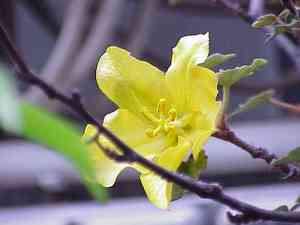
The Flannel Bush flourishes best with ample sun exposure. This plant requires at least six hours of direct sunlight daily to grow robustly and produce its vivid yellow flowers. Full sun provides the energy needed for photosynthesis, supporting strong growth and blooming.
Partial Shade Considerations
While the Flannel Bush prefers full sun, it can endure some partial shade. However, placing it where it gets less than six hours of sunlight may result in fewer blooms and less vigorous development. In hot climates, afternoon shade can prevent leaf burn during peak summer.
Why is Light Essential for the Flannel Bush?
Photosynthesis and Growth
Sunlight is critical for the Flannel Bush as it powers the photosynthesis process. Photosynthesis allows the plant to convert light energy into chemical energy, promoting growth and vitality. Sufficient light leads to a healthy plant with sturdy stems and rich green foliage.
Flowering and Bloom Cycle
The Flannel Bush's bloom cycle is significantly affected by sunlight. Consistent full sun exposure encourages abundant flowering, yielding its characteristic bright yellow blossoms. Insufficient light, conversely, can cause delayed or sparse blooming.
How to Ensure Optimal Light for the Flannel Bush
Best Planting Locations
To guarantee your Flannel Bush gets ideal sunlight: select a south or west-facing spot, which typically offers the most consistent light throughout the day. Avoid planting near taller plants or structures that might cast shadows.
Seasonal Light Adjustments
The sun's angle shifts with the seasons. In winter, with shorter days, ensure your Flannel Bush isn't disadvantaged by moving it or pruning nearby plants that could block light. In summer, watch for signs of heat stress, especially if it receives intense midday sun.
Common Errors in Providing Light for the Flannel Bush
Overexposure Risks
While light is vital, excessive exposure, particularly in very hot climates, risks leaf scorch and dehydration for the Flannel Bush. Monitoring the plant and providing some afternoon shade can lessen these risks during peak summer.
Underexposure Consequences
Too little light can be equally harmful. Insufficient exposure can lead to weak growth, pale leaves, and poor flowering. Ensuring your Flannel Bush receives adequate light is crucial to avoid these issues.
Tips for Monitoring Light for the Flannel Bush
Using Garden Tools and Devices
Tools like light meters can be especially helpful for ensuring your Flannel Bush receives the correct amount of light. These devices measure light levels in various spots, aiding informed planting or relocation decisions.
Adjusting Based on Plant Health Indicators
Regularly check your Flannel Bush for health signs such as leaf color, bloom frequency, and overall vigor. If you notice the plant struggling, it may be time to re-evaluate its light exposure and make necessary changes.



