How to Propagate Flannel Bush?
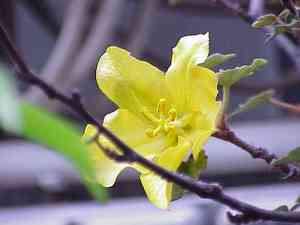
Flannel Bush propagation is most effectively accomplished via cuttings. To ensure successful root development, gather semi-hardwood cuttings from recent growth that has started to firm up. Employing a rooting stimulant can improve establishment, and a substrate that drains efficiently offers optimal circumstances. Cuttings ought to be situated in an environment with ample, diffused illumination and kept uniformly hydrated. Perseverance is vital, as Flannel Bush might establish roots more gradually than other plant varieties. Each measure specifically adapted for Flannel Bush elevates the probability of vigorous, thriving growth.
What Is the Best Time To Propagate Flannel Bush?
Propagation Type
Cutting
Propagation Season
Autumn,Winter
What Tools Are Used in Flannel Bush Propagation?
Sharp pruning shears
Sharp pruning shears are crucial for making clean, precise cuts on flannel Bush. A clean cut prevents damage to the parent plant and ensures a healthy start for the cutting. Precision minimizes infection risk and promotes faster healing and rooting.
Rooting hormone
Rooting hormone encourages root development in flannel Bush cuttings. Applying it to the cut surface boosts root initiation and growth, which is vital for the new plants' survival and establishment.
Sterile potting mix
A sterile potting mix ensures flannel Bush cuttings are planted in a disease-free environment, crucial for the sensitive early stages of root development. Sterility prevents fungal and bacterial growth detrimental to young plants.
Propagation tray with dome
A propagation tray with a clear dome helps maintain consistent humidity and temperature for flannel Bush cuttings. This controlled environment is essential for encouraging root growth without external weather stress.
Heating mat
A heating mat is especially useful for flannel Bush due to its preference for warm rooting conditions. By maintaining a steady soil temperature, it promotes quicker root growth and healthier overall development of the cuttings.
How to Propagate Flannel Bush?
Propagation Type
Moderately Difficult
How to Care for Your Newly Propagated Flannel Bush?
How to Care for Your Newly Propagated Flannel Bush?
Once the flannel Bush cutting has rooted, which can take weeks to months, gradually acclimate it to less humid conditions by increasing propagator ventilation or making small holes in the plastic cover. When new growth appears, indicating a strong root system, transplant it to a larger pot in a sunny spot with well-draining soil. Water thoroughly when the top inch of soil is dry, but reduce watering in winter. Flannel Bush doesn't need frequent fertilization; a slow-release, low-nitrogen fertilizer can be applied in early spring if necessary. Due to its sensitivity to excess moisture, ensure good soil drainage and avoid overhead watering to prevent leaf and root diseases.
Common Mistakes to Avoid When Propagating Flannel Bush
Overwatering
Overwatering flannel Bush can cause root rot, as this species is drought-tolerant and needs well-draining soil. Too much moisture reduces oxygen to roots, fostering fungal growth that can destroy the root system.
Overshading
Flannel Bush thrives in full sun; planting them in too much shade can hinder their growth and flowering. Insufficient light results in leggy plants and reduced hardiness.
Using overly rich soil
Flannel Bush is adapted to flourish in poor soils. Using overly rich or fertilized soil can lead to abundant vegetative growth at the expense of flowers and may also increase disease susceptibility.
Ignoring pH levels
Flannel Bush prefers neutral to slightly acidic soil. Disregarding soil pH levels can impede nutrient uptake and impair the overall health of flannel Bush.
Excessive handling
During propagation, excessive handling of flannel Bush's seeds or cuttings can damage delicate tissues, leading to lower success rates.
Tips For Propagating Flannel Bush
Use well-draining soil
For flannel Bush, use a well-draining soil mix to mimic its natural environment, reducing the risk of root rot and other moisture-related problems.
Provide ample sunlight
Ensure flannel Bush receives full sun exposure when propagated, to support healthy growth and abundant flowering.
Mimic natural soil conditions
Using a sandy or gritty soil mix that isn't overly fertile will help flannel Bush develop a strong root system and flower profusely.
Monitor soil pH
Maintain a neutral to slightly acidic soil pH to facilitate proper nutrient absorption for flannel Bush, optimizing its growth.
Handle with care
Minimize handling of flannel Bush's seeds or cuttings during propagation to prevent tissue damage and improve survival rates.



