The Flannel Bush Plant Advantage: Maximizing Home and Office Appeal and Wellness
1
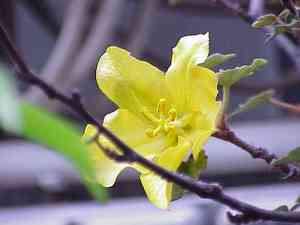
Recognized for its bright yellow blooms, Flannel Bush introduces a burst of color to any setting.
2
Flannel Bush flourishes in arid environments, making it a water-wise inclusion for your outdoor space.
3
This flora is an easy-care choice, needing little attention once rooted.
Why Consider Cultivating Flannel Bush?
Visual Appeal
Flannel Bush is celebrated for its strikingly vivid yellow blossoms that appear abundantly during spring and summer. These blooms not only inject a burst of color into your garden but also draw in pollinators like bees and butterflies, boosting the biodiversity of your outdoor space. The plant's leaves are equally captivating, featuring soft, velvety textures that add dimension to the garden's scenery.
Aridity Tolerance
In an era where water conservation is increasingly vital, Flannel Bush stands out due to its drought-tolerant characteristics. This plant originates from arid regions and can flourish in dry climates with minimal water. Once established, Flannel Bush needs very little irrigation, making it an eco-friendly option that significantly reduces water consumption in your garden.
Caring for Flannel Bush
Planting and Soil Needs
Flannel Bush thrives in well-draining soil and can be planted in rocky or sandy areas where many other plants might struggle. When planting, ensure Flannel Bush is placed in an area receiving full sunlight, as this encourages robust growth and vibrant blooms. While adaptable to various soil types, adding mulch can help retain soil moisture and provide extra nutrients.
Trimming and Upkeep
One of the most attractive features of Flannel Bush is its minimal maintenance requirements. This plant generally doesn't need frequent pruning, but occasional trimming can help maintain its form and stimulate new growth. Be sure to remove any dead or damaged branches to improve air circulation and prevent potential pest issues. Additionally, Flannel Bush is relatively pest-resistant, further reducing the need for intensive care.
Ecological Advantages of Flannel Bush
Supporting Native Wildlife
Flannel Bush plays a vital role in sustaining local ecosystems. Its bright flowers offer a rich nectar source for bees, butterflies, and other pollinators. By planting Flannel Bush in your garden, you contribute to the survival and proliferation of these essential creatures. Furthermore, its dense foliage provides shelter and nesting sites for various small animals and birds.
Erosion Prevention
Flannel Bush is also effective in preventing soil erosion, particularly in sloped or hilly terrains. Its deep root system stabilizes the soil, preventing it from being washed away during heavy rainfall. This makes Flannel Bush an excellent choice for erosion-prone areas, contributing to the overall health and stability of the landscape.
Is Flannel Bush Suitable for All Garden Styles?
Urban Gardens
Flannel Bush is highly adaptable and can thrive in diverse garden environments, including urban settings. Its compact growth habit makes it suitable for smaller gardens or even container planting on balconies and patios. Its minimal maintenance needs also mean that urban gardeners can enjoy a lush, vibrant garden without significant time investment.
Wildlife Habitats
For those interested in creating a wildlife-friendly garden, Flannel Bush is an excellent option. Its flowers attract a variety of pollinators, while the plant itself provides habitat and food for local wildlife. By incorporating Flannel Bush into your garden design, you can create a thriving ecosystem that supports biodiversity and offers a serene, natural environment.
Integrating Flannel Bush into Your Garden Design
Landscape Centerpiece
Given its vivid flowers and appealing foliage, Flannel Bush can serve as a focal point in your landscape design. Whether planted individually or in a group, it captures attention and adds visual interest. Pair Flannel Bush with complementary plants that share similar growing conditions to create a harmonious and stunning garden layout.
Mixed Borders and Hedges
Flannel Bush can also be effectively used in mixed borders or as a natural hedge. Its dense growth habit and attractive appearance make it a great choice for creating privacy screens or defining different garden areas. Combine Flannel Bush with perennials and shrubs that bloom at various times to ensure year-round interest and color in your garden.



