How to Prune Flannel Bush?
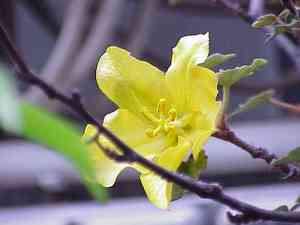
This perennial woody plant, recognized for its brilliant golden blossoms and soft foliage, flourishes in ample sunlight and permeable ground. Trimming flannel Bush ought to focus on preserving its form and eliminating any lifeless or ailing branches. A gentle trim following the blooming period aids in fostering a denser growth habit. The most suitable time for pruning is in the colder months, when the plant is inactive, to lessen the strain on it. Protective handwear is advisable to shield skin from the bothersome fluid discharged when cuts are made. Pruning not only improves flannel Bush's aesthetic appeal but also stimulates robust vitality and diminishes the likelihood of ailments.
Advantages of Trimming Flannel Bush
Advantages of Trimming Flannel Bush
Trimming flannel Bush promotes robust development and helps maintain its desired form. Proper cutting fosters a strong framework, enhancing the plant's overall vitality and visual appeal.
Optimal Period for Pruning Flannel Bush
Optimal Period for Pruning Flannel Bush
Pruning in late winter is beneficial for flannel Bush as it is typically dormant then. This season is ideal because it causes less stress, allows for easier shaping, and minimizes sap loss, which can attract pests. Additionally, removing dead or damaged wood before spring growth invigorates flannel Bush's development. Avoid pruning too late into spring or summer, as this can disrupt its flowering cycle, as it blooms on old wood. Late winter pruning also allows gardeners to clear away winter-damaged growth, ensuring flannel Bush has the best chance for vigorous spring growth and a healthy flowering season.
Tools Required for Pruning Flannel Bush
Bypass Pruners
Suitable for making clean cuts on flannel Bush's smaller branches, typically under one-half inch in diameter, essential for precise shaping and removing small, unwanted twigs.
Loppers
Ideal for cutting flannel Bush's thicker branches, up to two inches in diameter, providing leverage and reach necessary to prune its dense growth habit while maintaining plant health.
Pruning Saw
Used for flannel Bush's branches thicker than two inches, ensuring large limbs are cut cleanly and reducing stress on the plant when removing major branches.
Gloves
Important to protect hands from flannel Bush's rough and irritating foliage during the pruning process, ensuring safety and comfort for the gardener.
Long-Sleeved Shirt
Recommended to shield arms against flannel Bush's abrasive leaves to prevent skin irritation, as the plant is known for its fuzz-covered foliage, which can cause discomfort upon contact.
How to Prune Flannel Bush
Prepare Tools
Ensure all pruning tools are cleaned and sharpened to prevent disease spread and make clean cuts. Use gloves when handling flannel Bush as its sap can be irritating to skin.
Inspect Plant
Examine flannel Bush closely to identify dead or diseased branches. Look for signs of discoloration, dead wood, or branches that no longer produce foliage.
Cut Diseased Branches
Using secateurs or loppers, cut any diseased branches well below the affected area to prevent disease spread within flannel Bush. Dispose of these branches properly to prevent contamination.
Trim Dead Branches
Remove dead branches by cutting at the point of origin or back to a main branch or trunk. Avoid leaving stubs as these can be entry points for pests and diseases.
Clean Up
After pruning flannel Bush, clean up all debris from the area and properly dispose of it to promote good hygiene around the plant and to prevent potential pest issues.
Common Pruning Errors with Flannel Bush
Overpruning
Removing too much foliage at once can stress flannel Bush, leading to poor growth and reduced flowering. It's important to prune no more than one-third of the plant at a time.
Improper Cutting Techniques
Using dull or unclean cutting tools can cause jagged cuts that make flannel Bush vulnerable to disease and pests. Always use sharp, clean pruning shears.
Pruning Into Old Wood
Flannel Bush blooms on new growth. Pruning into the old wood can reduce the number of flowers or prevent blooming entirely.
Ignoring Plant Shape
Random or excessive cutting without considering the natural shape of flannel Bush could lead to an unbalanced and unattractive plant.
Neglecting Protective Gear
Flannel Bush has irritating hairs that can cause skin and respiratory irritation. Failure to wear protective clothing is a common oversight.
General Pruning Advice for Flannel Bush
Selective Thinning
Remove selected branches to thin out dense growth. This encourages light penetration and air circulation within the canopy of flannel Bush.
Cutting Technique
Make clean, angled cuts just above a bud facing outwards to direct new growth outward, promoting a healthy, open structure.
Renewal Pruning
Periodically, remove a few of the oldest stems to ground level to encourage rejuvenation and to maintain a manageable size for flannel Bush.
Post-Blooming Cleanup
After the blooming season, lightly prune flannel Bush to remove spent flowers and any dead or damaged wood, shaping the plant in the process.
Safety Precautions
When pruning flannel Bush, always wear long sleeves, gloves, and a respiratory mask to protect from the plant's irritating hairs.



