How to Transplant Sycamore fig?
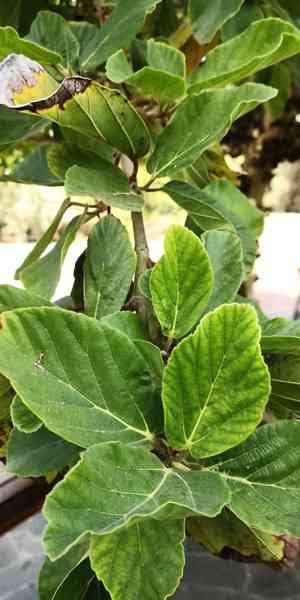
For the sycamore fig, the perfect period for transplantation is the pleasant shift from late spring to early summer, ensuring excellent conditions for development. This plant thrives best in partially shaded areas that offer sufficient room for its impressive size. During the replanting process, confirm the soil is fertile and provide generous irrigation to facilitate its establishment.
What Preparations are Needed Before Transplanting Sycamore Fig?
What is the Ideal Time for Transplanting Sycamore Fig?
Moving sycamore fig during the peak of spring to early summer allows roots to settle in warm earth. This timing promotes root development prior to winter, ensuring a strong beginning.
How Much Space Should You Leave Between Sycamore Fig Plants?
When getting ready to transplant sycamore fig, ensure ample room for growth. Aim to position each plant approximately 20-30 feet (6-9 meters) apart. This provides space for root expansion and full canopy development without crowding.
What is the Best Soil Mix for Sycamore Fig Transplanting?
For sycamore fig, prepare a fertile soil that drains well. Consider incorporating compost or a balanced slow-release fertilizer to give sycamore fig a robust start. Verify the pH is between 6.0-7.0, which is perfect for sycamore fig.
Where Should You Relocate Your Sycamore Fig?
Choose a sunny location for sycamore fig that receives direct sunlight for at least 6 hours daily. Sycamore fig thrives in bright conditions, so find an area not shaded by taller plants or structures. The right light will help sycamore fig flourish!
What Equipments Should You Prepare Before Transplantation Sycamore Fig?
Gardening Gloves
To safeguard your hands while handling soil and the plant.
Spade or Shovel
For excavating the sycamore fig from its initial spot and digging the new planting hole.
Wheelbarrow or Garden Cart
To move the sycamore fig and any soil or compost.
Watering Can or Hose
For hydrating the sycamore fig before and after the relocation process.
Pruning Shears
To trim any damaged or excessively long roots prior to transplanting.
Stake or Plant Support
To stabilize the sycamore fig in its new position if required.
How Do You Remove Sycamore Fig from the Soil?
How Do You Remove Sycamore Fig from the Soil?
From Ground: Water the sycamore fig thoroughly to moisten the soil, which helps protect the roots. Dig a wide trench around the sycamore fig to avoid harming the root system. Carefully work your shovel under the root ball to free the sycamore fig from its original spot.From Pot: Water the sycamore fig and gently tap the pot's sides to loosen the roots. Tilt the container sideways and carefully slide the plant out, supporting the root ball with your hand to prevent breakage.From Seedling Tray: Water the soil to keep roots damp. Use a small tool or your fingers to gently lift the seedling out without disturbing nearby plants. Ensure you retrieve as much of the root system as possible.
Step-by-Step Guide for Transplanting Sycamore Fig
Preparation
Gather all necessary tools and ensure the new planting site is ready for the sycamore fig's arrival. Make sure the hole is twice as wide as the root ball and as deep as the original planting depth to allow for root expansion and proper anchoring of the sycamore fig. Also, have sufficient water on hand to moisten the plant before and after transplanting to reduce transplant shock. Ensure you have appropriate stakes or plant supports if the sycamore fig is large enough to require staking for stability during the root establishment process.
Removing the Plant
Following the guidelines under 'removal process,' carefully extract the sycamore fig from its previous location, ensuring the root ball remains intact and as much of the root structure as possible is preserved. Be gentle to prevent undue stress on the plant.
Placing the Plant
Gently lower the sycamore fig into the prepared hole. Ensure it sits at the same depth as it did in its former location. Adjust the sycamore fig's position so it is upright and centered in the hole before you begin backfilling.
Finishing Touches
Once the sycamore fig is in place, fill in around the root ball with soil, gently firming it down to eliminate air pockets. If staking is needed, insert stakes on opposite sides of the plant and secure loosely with ties to allow for natural movement and growth without damaging the stem.
Watering
After the sycamore fig is securely in place and the soil is firmed, water the area thoroughly. This will settle the soil around the roots and help alleviate some of the transplant shock by ensuring the sycamore fig has enough moisture available.
Monitoring
Over the next few weeks, observe your sycamore fig for signs of stress, such as wilting or discolored leaves, and ensure you follow the post-transplant care tips to help it recover and thrive.
How Do You Care For Sycamore Fig After Transplanting?
Initial Watering
Water the sycamore fig generously immediately after transplanting to settle the soil and ensure the roots have ample moisture to begin establishing in the new spot. Maintaining a balance is key â the soil should be moist but not waterlogged.
Mulching
Apply a layer of organic mulch around the base of the sycamore fig, which helps retain soil moisture and moderate temperature extremes. Be sure to keep the mulch from directly touching the plant's stem to prevent rot.
Staking
If the sycamore fig was staked after transplanting, check the stakes regularly to ensure they are secure and the ties are not too tight. Adjust as needed to accommodate growth.
Observation
Keep a close watch on your sycamore fig over the first month to quickly address any issues that may arise. Look for signs of transplant stress and be ready to take action, such as adjusting watering or providing shade if necessary.
Root Establishment
Avoid fertilizing the sycamore fig right after transplanting to prevent burning the sensitive roots. Instead, focus on providing consistent water (especially during dry spells) to encourage strong root growth. Once the sycamore fig is established and new growth is observed, you can start a regular fertilizing regimen as previously discussed.
Pruning
Only prune the sycamore fig if necessary to remove any dead or damaged branches, which will help the sycamore fig focus its energy on establishing new roots rather than maintaining unnecessary foliage.
Troubleshooting Common Issues with Sycamore Fig Transplantation.
What's the best time to transplant sycamore fig?
The ideal period to move sycamore fig is during the transition from spring to summer, ensuring better root establishment.
How much space should I leave between sycamore fig plants?
Allow them to thrive by spacing sycamore fig 20-30 feet (6-9 meters) apart.
Why is my sycamore fig struggling after transplanting?
It might be due to transplant shock. Ensure proper hydration, avoid fertilizers, and provide initial shade.
Can sycamore fig be transplanted in hot weather?
It's best to avoid this. High temperatures can stress sycamore fig, so aim for cooler transplanting conditions.
Should I prune sycamore fig before transplanting?
Yes, light pruning can help reduce transplant shock by balancing root loss with top growth.
How deep should the hole be for transplanting sycamore fig?
The hole should be as deep as the root ball and twice its width.
What signs indicate sycamore fig needs more water after transplanting?
Wilting leaves or dry soil around sycamore fig are clear indicators it requires more water.
What kind of aftercare does sycamore fig require post-transplant?
Consistent watering, mulching, and protection from excessive sun or wind are crucial aftercare steps.
How do I know if sycamore fig is planted at the right depth?
The top of the root ball should be level with the surrounding soil to ensure correct depth.
Can I transplant sycamore fig in clay soil?
Yes, but improve drainage by mixing in organic matter and creating a raised mound for planting.



