How Much Sunlight Do Sycamore fig Need?
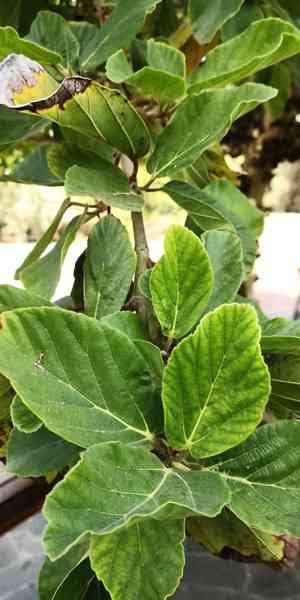
1
Sycamore figs flourish with ample sunlight, requiring over 6 hours of direct light each day.
2
Partial sun is acceptable, though it might lead to diminished development.
3
Turning the plant periodically guarantees uniform light access and avoids lopsided development.
How Much Light Does a Sycamore Fig Require?
Optimal Illumination Duration
The Sycamore fig is a heliophilic plant that flourishes best with a minimum of 6 hours of direct solar exposure daily. This ample sun exposure fosters robust development, lush foliage, and overall plant vitality. For peak outcomes, position it where it receives abundant bright, direct light throughout the day. In areas with limited sun during certain periods, consider supplementary lighting to augment natural illumination.
Direct vs. Diffused Light
While Sycamore figs favor direct sunlight, they can endure some diffused light. However, relying solely on indirect illumination might result in slower development and less vibrant leaves. Direct sunlight is vital for the plant to perform photosynthesis efficiently, generating the energy needed for growth and flourishing. If kept indoors, place it near a south or west-facing window for maximum light access.
Impact of Light on Development
The quantity and type of light a Sycamore fig receives directly influence its growth rate and general well-being. Sufficient light promotes healthy leaf formation, vigorous trunk expansion, and a profusion of figs. Conversely, inadequate light can lead to etiolated growth, yellowing leaves, and diminished fruit yield. Ensuring the plant gets the correct amount of light is crucial for maintaining its health and aesthetic appeal.
Ideal Placements for Sycamore Fig
Indoor Positioning Advice
When cultivated indoors, the Sycamore fig should be situated in a well-lit spot with ample sunlight. A room featuring large, unobstructed windows facing south or west is perfect. Ensure the plant isn't too close to the window to prevent scorching but near enough to benefit from the bright light. Regular leaf dusting can also aid the plant in absorbing more light. Rotating the plant every few weeks ensures uniform exposure and prevents lopsided growth.
Outdoor Siting Guidelines
Outdoors, Sycamore figs should be planted in an area that receives full sun for most of the day. This could be a garden location not shaded by structures or large trees. The plant benefits from morning sunlight, which is less intense and can help prepare it for the harsher afternoon rays. Ensure the soil drains well to prevent waterlogging, which can be detrimental when combined with strong sunlight.
Seasonal Adjustments Needed
Depending on your location, you might need to modify your Sycamore fig's placement with the changing seasons. In winter, when sunlight is less intense and days are shorter, consider relocating the plant to a brighter spot or utilizing grow lights to compensate for reduced natural light. During hot summer months, providing some afternoon shade can shield the plant from excessive heat and potential scorching.
Common Light-Related Issues for Sycamore Fig
Indicators of Excessive Sun
While Sycamore figs appreciate the sun, overly intense sunlight can cause problems like leaf scorch or sunburn. Symptoms include browning leaf edges, wilting, or leaves that appear bleached. If you observe these signs, consider providing some shade during peak midday hours or moving the plant to a slightly less intense sunny spot.
Recognizing Sunburn Damage
Sunburn damage on Sycamore figs typically manifests as brown, crispy patches on the leaves, particularly on the upper surfaces. This damage often results from sudden exposure to intense sunlight without gradual acclimation. If you suspect sunburn, move the plant to a shadier location and gradually reintroduce it to full sunlight over several days.
Addressing Insufficient Illumination
If your Sycamore fig isn't receiving enough light, you might notice slower growth, smaller leaves, or an elongated appearance. To remedy this, move the plant to a brighter location and consider using supplementary grow lights. Ensure the plant gets at least 6 hours of bright, direct sunlight daily, or it may struggle to thrive.
Strategies for Managing Sun Exposure
Utilizing Shade Cloth or Drapes
In areas where sunlight is too strong, employing shade cloth or sheer curtains can help diffuse the light and protect your Sycamore fig from sunburn. These materials reduce light intensity without completely blocking it, offering a balance of light and shade. This method is especially useful during the peak summer months.
Rotating the Plant Regularly
To ensure uniform light exposure and prevent uneven development, rotate your Sycamore fig every few weeks. This practice helps all sides of the plant receive adequate sunlight, promoting balanced growth and preventing one-sided leaning. Consistent rotation is particularly important for indoor plants.
Artificial Lighting Solutions
In regions with limited natural sunlight, especially during winter, artificial lighting can be an excellent solution. LED grow lights are an efficient and effective option for providing the necessary light spectrum for your Sycamore fig. Position the lights a few inches above the plant and use a timer to ensure it receives consistent light exposure, mimicking natural daylight hours.



