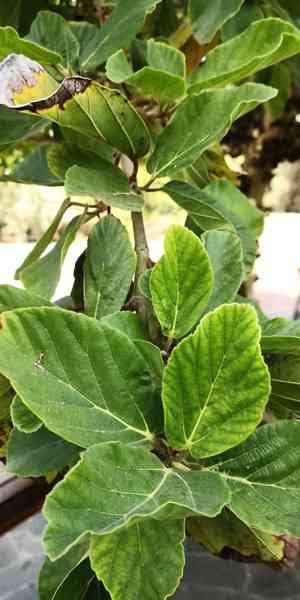
Sycamore fig (Ficus sycomorus)
Also known as: Sycomore fig, Egyptian Sycamore, Fig-mulberry
The sycamore fig tree (Ficus sycomorus) played a vital role in various cultures and religions. Known as the Egyptian "tree of life," it was integral to ancient Egyptian agriculture. Its wood was crafted into coffins, and its fruits were often placed in the tombs of pharaohs. Additionally, the sycamore fig is frequently cited in the Bible as a symbol of prosperity and nourishment.
In This Article
Attributes of Sycamore fig
Lifespan
Perennial
Plant Type
Tree, Shrub
Plant Height
20 m
Spread
35 m
Leaf Color
Green
Flower Size
Inconspicuous, as figs are enclosed within the fruit structure
Flower Color
Not applicable (hidden within immature fig)
Images of Sycamore fig


Quickly Identify Sycamore fig
1
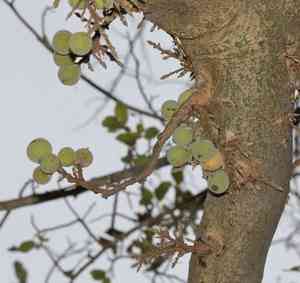
The sycamore fig can be identified by its large, heart-shaped leaves, fig-like fruit, and pale bark. The fruit is smaller and less sweet than the common fig, and trees often bear aerial roots.
Scientific Classification of Sycamore fig
Phylum
Vascular plants
Class
Dicotyledons
Order
Rosales
Family
Mulberry
Genus
Fig trees
Species
Sycamore fig
Planting and Growing of Sycamore fig
Care Difficulty
Easy
Watering Schedule
Every 2 days
Sunlight Requirements
Full sun
Sunshine Duration
4-8 hours
Ideal Temperature
68-86℉
Soil Type
Potting Mix, Peat Mix
Soil pH
6.5-7.5
Fertilizer Type
Balanced
Pruning Season
Spring, Summer
Pruning Area
Branches, Leaves
Pruning Frequency
2 times a year
Repotting Season
Spring
Pot Type
Plastic, Ceramic
 How to Water Sycamore fig?
Ficus sycomorus, known commonly as the sycamore fig, requires a generous amount of water, approximately 1000 milliliters per session. It's vital to ensure that the soil is soaked thoroughly, allowing moisture to reach the roots without leaving the soil soggy. The watering should mimic natural rainfall, saturating the topsoil and providing ample hydration, especially during dryer months or conditions.
What are the symptoms of an underwatered Sycamore fig?
›
What should I do if my Sycamore fig is not getting enough water?
›
What are the symptoms of an overwatered Sycamore fig?
›
How to save an overwatered Sycamore fig?
›
 What Are the Sunlight Requirements for Sycamore fig?
Half to full day sunlight is beneficial for Ficus sycomorus. Ideal light encourages strong growth, vibrant leaf color, and enhances the plant's overall resilience against environmental stressors.
More About Sunlight Requirements Techniques→
What is the ideal light condition for Ficus sycomorus?
›
How can you achieve ideal lighting for Ficus sycomorus?
›
What are the benefits of ideal lighting for Ficus sycomorus?
›
 What Is the Ideal Temperature Range for Sycamore fig?
Ficus sycomorus thrives best in warm environments where the temperature stays between 68°F to 86°F. This range allows for optimal photosynthesis, growth, and general vitality of the plant. It mimics the warm conditions found in its native African habitat, ensuring the plant can sustain its energy needs and maintain lush foliage.
 What Soil is Best for Sycamore fig?
Ficus sycomorus thrives best in well-drained soil. This type of soil prevents waterlogging that can lead to root rot, allowing the roots to access necessary air and nutrients, promoting healthy growth. A nutrient-rich soil ensures that Ficus sycomorus gets essential minerals and organic matter. This nutrient availability supports vigorous foliage, enhances photosynthesis, and leads to a robust plant structure. While the soil needs to be well-drained, it should also retain enough moisture to keep the plant hydrated. Proper moisture levels prevent stress and dehydration, promoting lush and vibrant leaves.
 How to Fertilize Sycamore fig?
Ficus sycomorus benefits from a balanced fertilizer mixture. For liquid fertilizers, dilute the recommended dose to at least half or even a quarter strength to avoid burning the roots. For slow-release fertilizers, use only a small amount, around 50 to 70 grams per application, depending on the size of the tree. Excessive nutrients can do more harm than good.
 How to Prune Sycamore fig?
Select branches that are dead, diseased, or crossing others to preserve the tree’s health and shape. Aim to enhance the tree’s natural form while ensuring good air circulation and sunlight penetration. When cutting branches, do so at a slight angle away from the bud to promote healthy regrowth. Make sure each cut is smooth and does not leave any ragged edges that might invite pests. After pruning, ensure the Ficus sycomorus is well-watered and apply a balanced fertilizer. This helps the tree recover and encourages robust new growth throughout the growing seasons.
More About Pruning Techniques→
 How to Propagate Sycamore fig plant?
1
Collect mature Ficus sycomorus fruits, extract the seeds, and clean them thoroughly. Soak the seeds in water for 24 hours to improve germination rates. Once soaked, plant them in trays filled with a well-draining seed-starting mix.
2
Select healthy, non-flowering branches for cuttings. Make a clean cut below a node, and remove the lower leaves. Dip the cut end in rooting hormone and plant it in a pot filled with moist potting mix. Maintain high humidity and warmth to encourage rooting.
3
Choose a compatible rootstock and ensure both the scion and rootstock are of similar diameter. Make precise cuts on both parts and join them securely, using grafting tape to hold them in place. Successful grafting relies on proper contact between the cambium layers of the scion and rootstock.
 How to Repot Sycamore fig plant?
1
For Ficus sycomorus, you'll notice it’s time to repot when growth becomes sluggish, roots start to circle the pot, or water drains too quickly. Spring and summer are ideal times to repot, allowing the plant to adjust during its growing period.
2
Opt for a pot 2–3 inches larger in diameter than the current one, with ample drainage holes. A larger pot provides adequate space for root expansion, ensuring the plant doesn’t become root-bound too quickly. Good drainage prevents root rot, a common issue for ficus plants.
3
Use a well-draining potting mix with components like peat, perlite, and pine bark. This combination offers sufficient aeration and moisture retention. A well-balanced mix prevents the soil from compacting, ensuring the roots can breathe and take up nutrients effectively.
Learn More About Sycamore fig Diseases
Anthracnose
Bacterial Leaf Spot
Crown Gall
Cyst Nematode
Damping-off
Downy Mildew
Drought Stress
Fusarium Wilt
Gray Mold
Leaf Curl
Leaf Spot
Mosaic
Nutrient Deficiency
Nutrient Toxicity
Powdery Mildew
Root Rot
Root-knot Nematode
Rusts
Sooty Mold
Spider Mites
Temperature Stress
Thrips Damage
White Mold



