How to Propagate Sycamore fig?
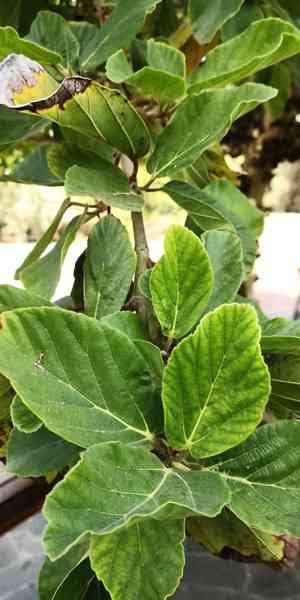
Originating in Africa, the sycamore fig is a resilient fig variety recognized for its expansive canopy and abundant fruit production. Its reproduction can be accomplished through cuttings, utilizing semi-lignified segments acquired during the plant's period of vigorous development. To ensure successful root formation, a consistently damp growing medium is essential. Cuttings thrive in warm, humid conditions, and adventitious roots develop most effectively when initial handling involves limited disruption until they are well-rooted.
When Is the Optimal Time to Propagate Sycamore Fig?
Propagation Method
Cutting
Propagation Period
Autumn,Winter
What Equipment Is Utilized for Sycamore Fig Propagation?
Sharp Pruning Shears
Ideal for taking cuttings, sharp pruning shears ensure a clean, precise cut, minimizing harm to sycamore fig's tissues. A straight, undamaged cut is vital for promoting healthy root growth by reducing infection risk.
Rooting Hormone
Used to stimulate root development from cuttings, rooting hormone powder or gel significantly boosts the rooting success of sycamore fig. Applying it to the cut end encourages root initiation, aiding faster establishment.
Sterile Potting Mix
Crucial for providing a nourishing growing medium for sycamore fig's cuttings. A sterile potting mix prevents harmful pathogen growth that could damage young roots. An ideal mix for sycamore fig might include peat, perlite, and vermiculite for good drainage and aeration.
Humidity Dome or Plastic Cover
Maintains a high humidity environment around sycamore fig's cuttings, essential for preventing excessive moisture loss while roots form. This tool helps ensure the microclimate around the cutting remains optimal for root and initial shoot development.
Heating Mat
Especially useful if propagating sycamore fig in cooler conditions. A heating mat gently warms the soil, encouraging better root growth and quicker establishment of the cutting. This is particularly important during colder, less favorable growing months.
How to Propagate Sycamore Fig?
Propagation Difficulty
Moderately Difficult
How to Nurture Your Newly Propagated Sycamore Fig?
How to Nurture Your Newly Propagated Sycamore Fig?
Post-propagation, gradually introduce sycamore fig to drier conditions by removing the plastic cover over a week. Keep the soil consistently damp but not waterlogged. Provide indirect light and shield from direct sun. Regularly inspect for pests or fungal issues. Fertilize lightly monthly with a balanced, water-soluble fertilizer to support growth. Ensure the ambient temperature never falls below 50°F (10°C), as sycamore fig is cold-sensitive.
Common Errors to Avoid When Propagating Sycamore Fig
Over-watering cuttings
Placing sycamore fig cuttings in excessively wet conditions can lead to root rot, hindering successful root development and increasing the risk of fungal diseases.
Using non-sterile tools
Cutting sycamore fig with contaminated tools can introduce pathogens to the fresh cutting sites, impeding healthy growth and potentially causing infection.
Inadequate light
Propagating sycamore fig in low light conditions can result in weak, elongated growth, as sycamore fig requires bright, indirect sunlight to thrive during initial growth stages.
Ignoring humidity needs
Failing to maintain a humid environment for sycamore fig cuttings can cause them to dry out before they have a chance to establish roots.
Advice For Propagating Sycamore Fig
Semi-hardwood cuttings
Utilize semi-hardwood cuttings for propagation, which typically root more successfully compared to softwood or hardwood cuttings for sycamore fig.
Sterilize equipment
Always use clean, sterilized cutting tools to prevent the transmission of disease to the sycamore fig cuttings.
Rooting hormone
Apply a rooting hormone to the cut end of sycamore fig cuttings to encourage quicker and more reliable root development.
Moisture control
Ensure the medium is consistently moist but not waterlogged; using a spray bottle can help regulate moisture without overwatering.



