The Sycamore fig Plant Advantage: Maximizing Home and Office Appeal and Wellness
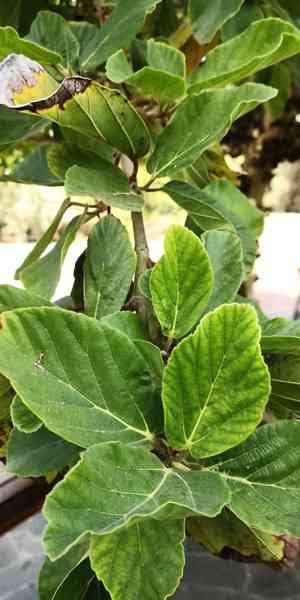
1
Ficus sycomorus offers superb shade and cooling, perfect for warm regions.
2
Its root system aids in preventing soil loss and enhancing soil richness.
3
Ficus sycomorus holds historical and cultural importance in numerous African and Middle Eastern societies.
How Does Sycamore fig Contribute to Environmental Well-Being?
Providing Shade and Cooling
The Sycamore fig is renowned for its expansive canopy, offering excellent shade, making it a favored choice for planting in urban areas, parks, and gardens. Its dense foliage aids in cooling the surrounding environment, mitigating the urban heat island effect. This natural cooling mechanism not only helps reduce energy costs linked to air conditioning but also improves the comfort of outdoor spaces, making them more pleasant during warm seasons.
Preventing Soil Erosion
The extensive root system of the Sycamore fig is crucial in preventing soil erosion. Its roots stabilize the ground, lessening the impact of rain and wind that can cause erosion. This is especially important in regions susceptible to soil degradation, as the Sycamore fig helps preserve soil structure and fertility, supporting sustainable agriculture and preventing desertification.
What Are the Economic Benefits of Sycamore fig?
Supporting Local Economies
The Sycamore fig offers numerous uses that bolster local economies, particularly in its native growing regions. Its wood is highly valued for its durability and is utilized in furniture making, construction, and crafting. Furthermore, its leaves and bark have various applications in traditional practices, adding to the tree's economic worth. By fostering local industries centered around the cultivation and use of the Sycamore fig, communities can gain from increased economic opportunities.
Promoting Eco-Tourism
The impressive appearance of Sycamore fig trees can attract tourists, contributing to the growth of eco-tourism. Visitors are often drawn to natural sites featuring ancient, large, and historically significant Sycamore fig trees. This interest can generate tourism revenue, benefiting local businesses and encouraging conservation efforts. Guided tours highlighting the ecological and cultural importance of the Sycamore fig can also enhance environmental education and awareness among tourists.
Why Is Sycamore fig Culturally Significant?
Historical and Religious Relevance
The Sycamore fig holds a special place in the cultural and religious traditions of many African and Middle Eastern communities. Historically, it has been linked to various rituals and ceremonies, symbolizing life, longevity, and prosperity. In some cultures, the tree is considered sacred and is often found near places of worship or gathering. Its historical significance is preserved through art, literature, and folklore, making it an important cultural symbol.
Community Gatherings and Social Cohesion
The Sycamore fig often serves as a central point for community gatherings, acting as a natural meeting place for social events, storytelling, and communal activities. The shade provided by the tree makes it an ideal location for outdoor gatherings, fostering social cohesion and a sense of community. Traditionally, these gatherings under the Sycamore fig have played a role in maintaining cultural continuity and community solidarity, as stories and traditions are passed down from one generation to the next.
How Does Sycamore fig Enhance Biodiversity?
Supporting Wildlife Habitat
The Sycamore fig is a vital component of its native ecosystems, providing a habitat for various wildlife species. Birds, insects, and other animals frequently depend on the tree for food, nesting, and shelter. The tree's fruits are a source of sustenance for many species, supporting the local food web. By offering a sanctuary for wildlife, the Sycamore fig helps maintain biodiversity and ecological balance.
Interdependency with Epiphytic Plants
Beyond supporting fauna, the Sycamore fig plays a significant role in the growth of epiphytic plants, which reside on its branches and trunks. These plants, such as mosses, ferns, and orchids, benefit from the structural support and access to sunlight provided by the Sycamore fig. This symbiotic relationship enhances the biodiversity of the area, creating a more complex and thriving ecosystem.



