Enhancing Your Garden Design with the Sycamore fig Plant: A Landscaping Guide
1
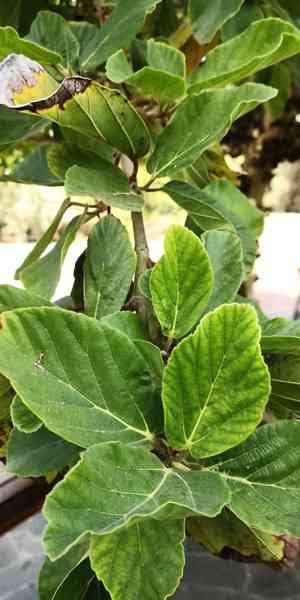
Incorporating Sycamore fig into your outdoor space offers shade and boosts ecological variety.
2
Sycamore fig exhibits seasonal transformations, bringing lively aesthetic charm to your yard.
3
Knowing the care requirements for Sycamore fig helps guarantee its flourishing and year-round attractiveness.
Integrating Sycamore Fig into Landscape Designs
Optimal placements for Sycamore fig: Where does it belong?
Incorporating Sycamore fig into your outdoor design is an excellent method to cultivate an area of beauty and practicality. This plant is adaptable and integrates wonderfully into diverse environments. Whether you possess an expansive yard or a compact urban plot, Sycamore fig can be customized to meet your requirements. Its resilient character makes it particularly suitable for locations with ample room and effective drainage. Consider positioning Sycamore fig along your garden's edge to form a natural barrier, or as a central feature in your yard.
Themes and styles that complement Sycamore fig
When considering garden themes, Sycamore fig pairs exceptionally well with various aesthetics. For a tropical paradise-themed garden, this plant's dense foliage and broad canopy impart an exotic feel. In a Mediterranean-style landscape, Sycamore fig's robust nature and distinctive shape offer the ideal focal point. Contemporary minimalist gardens can also benefit from the sculptural presence of Sycamore fig, which introduces an engaging dynamic element. By selecting the appropriate theme, you can make Sycamore fig the centerpiece of your garden or a crucial supporting element, enhancing the overall visual appeal.
The Visual Contribution of Sycamore Fig to Your Landscape
Seasonal transformations and color variations
One of the captivating aspects of including Sycamore fig in your landscape is the seasonal shifts it undergoes. In spring, Sycamore fig displays fresh, vibrant leaves that add a lively burst of color to your garden. As the seasons progress, the foliage may change, offering a dynamic visual experience. This plant's evolving appearance keeps your landscape visually engaging throughout the year. Planning for these seasonal changes can help you design a garden that is perpetually evolving and captivating.
Size considerations: Enhancing spaces with Sycamore fig
The dimensions of Sycamore fig can be a significant factor in its placement and its overall effect on your landscape. Typically, Sycamore fig can grow quite large, making it perfect for spacious areas where it can truly excel. It can serve as a natural canopy, providing shade and a sense of grandeur. In smaller gardens, strategic pruning can manage its size, allowing you to enjoy its beauty without overwhelming your space. Combine Sycamore fig with smaller plants to create a layered effect that adds depth and dimension to your garden.
Practical Advantages of Sycamore Fig in Landscaping
Shade and cooling effects: Comfort and utility
Sycamore fig is not merely an attractive addition to your garden; it also offers practical benefits. A primary advantage is the shade it provides, creating cool havens in your garden during warm days. This natural shade can lessen the urban heat island effect, making outdoor areas more comfortable and potentially lowering temperatures of adjacent buildings. Position Sycamore fig strategically near outdoor seating areas or windows to maximize these cooling benefits, transforming your garden into a sanctuary of comfort.
Wildlife attraction and biodiversity
Adding Sycamore fig to your garden can boost local biodiversity. Its lush foliage and fruit can draw in a variety of wildlife, from birds to beneficial insects. This not only creates a more vibrant and interesting garden but also supports local ecosystems. By offering food and shelter to wildlife, Sycamore fig can help restore habitats and encourage a diverse range of species to flourish. This biodiversity can lead to a more balanced and healthy garden environment.
Maintenance Guidelines for Sycamore Fig in Landscapes
General care tips for health and aesthetics
Maintaining Sycamore fig is crucial for ensuring its health and visual appeal. Consistent watering, especially during dry spells, is essential. Applying mulch around the base can help retain soil moisture and suppress weeds. Pruning is important to shape the plant and remove any dead or damaged branches, promoting better growth and overall health. Fertilizing annually with a balanced fertilizer can supply the necessary nutrients for vigorous growth.
Common issues and straightforward solutions
Like any garden plant, Sycamore fig may encounter some difficulties. Pests can occasionally be a problem; however, regular inspection and prompt action can prevent severe infestations. Utilizing natural pest control methods, such as introducing beneficial insects, can be effective. Excessive watering can lead to root rot, so ensure the soil has good drainage. If you observe yellowing leaves, it might indicate a nutrient deficiency or overwatering. Adjusting your watering schedule and fertilizing appropriately should resolve these issues.



