How to Prune Sycamore fig?
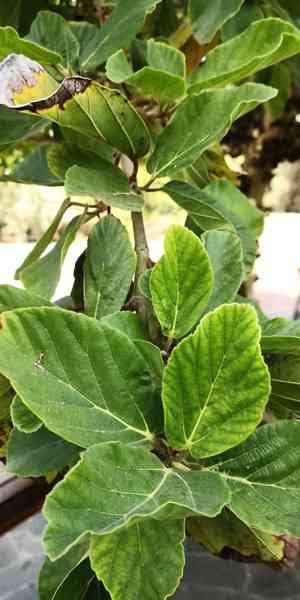
A distinguished tree featuring abundant leaves and remarkable edible produce, sycamore fig flourishes with appropriate trimming methods. Essential procedures involve excising deceased or ailing limbs, reducing thick growth to allow light to penetrate, and molding for structural soundness. The optimal time for pruning is during the winter dormancy period. Trimming sycamore fig at this juncture encourages vigorous spring development, lessens sap depletion, and alleviates strain. Precise cuts additionally boost fruit yield and enable cultivators to regulate the tree's dimensions, rendering it a vital component of upkeep.
What Are the Benefits of Pruning Sycamore Fig?
What Are the Benefits of Pruning Sycamore Fig?
Trimming sycamore fig promotes robust development and helps maintain its desired form. It fosters a strong framework, enhancing light penetration and air movement, crucial for the plant's well-being and yield.
What Is the Best Time for Pruning Sycamore Fig?
What Is the Best Time for Pruning Sycamore Fig?
Pruning sycamore fig in late winter aligns with its dormant phase, when growth is slow, allowing the plant to recover without expending excessive energy needed for spring and summer development. This timing minimizes sap loss, which can be more significant in sycamore fig if pruned during active growth. Additionally, the absence of leaves offers better visibility for identifying branches to remove and permits cuts to heal before the growth season begins, lowering disease risk. Furthermore, pruning before spring ensures new growth is properly shaped and that any flowering or fruiting is not negatively impacted. Late winter pruning also avoids removing developing fruits that form on the previous year's wood.
What Tools Do I Need to Prune Sycamore Fig?
Hand Pruners
Perfect for making precise cuts on sycamore fig branches and twigs up to 3/4 inches in diameter, ensuring minimal harm to plant tissues.
Loppers
Designed for cutting thicker branches, typically up to 1.5 inches in diameter, ideal for sycamore fig's more substantial limbs where hand pruners are insufficient.
Pruning Saw
Essential for removing larger branches exceeding 1.5 inches in diameter, allowing for clean cuts through the wood without tearing, which is vital for sycamore fig's health.
Pole Pruners
Useful for reaching higher sycamore fig branches without needing a ladder, providing both safety and efficiency in maintaining the tree's structure.
Hedge Shears
Suitable for trimming and shaping sycamore fig foliage when used for hedges or screens, ensuring neat and orderly growth.
How to Prune Sycamore Fig
Clean Tools
Before beginning, sanitize pruning tools with a solution of 1 part bleach to 9 parts water to prevent disease spread to sycamore fig.
Inspect
Carefully examine sycamore fig to locate dead or diseased branches, which appear dry, brittle, discolored, or show signs of fungal growth or insect infestation.
Cut Dead Branches
Using sterilized tools, cut dead branches at their base or back to healthy tissue, making clean cuts without tearing the bark to promote quick healing on sycamore fig.
Remove Diseased Branches
Eliminate diseased sycamore fig branches by cutting them at least several inches into the healthy wood beyond visible disease signs to ensure all affected tissue is removed.
Dispose
Safely discard removed branches far from sycamore fig to prevent disease recurrence or potential infection of other plants.
Common Pruning Mistakes with Sycamore Fig
Over Pruning
A primary error is removing too much foliage at once, which can stress sycamore fig and lead to stunted growth or reduced health.
Improper Cut Location
Cuts made too far from the branch collar can result in poor healing and potential entry points for disease. Conversely, cuts too close can damage the collar, hindering the plant's natural healing process.
Using Dull Tools
Blunt pruning tools can create jagged cuts that harm sycamore fig and make it more vulnerable to infections.
Neglecting Tool Hygiene
Failing to clean and disinfect tools between uses can introduce or spread diseases and pests to sycamore fig.
Pruning Without Plan
Randomly cutting branches without understanding sycamore fig's growth pattern often results in an unhealthy and unattractive plant structure.
Common Pruning Tips for Sycamore Fig
Sharp Clean Tools
Always use sharp, clean pruning shears or saws to make precise cuts that sycamore fig can heal from more easily, reducing disease risk.
Identify Branch Collar
When trimming, locate the branch collar and make diagonal cuts just above this area, allowing sycamore fig to heal properly and minimally exposing the wound.
Thin Out Densely Packed Areas
Gently thin out crowded branches to improve air circulation and light penetration, which supports sycamore fig's health and fruit production.
Remove Dead Or Diseased Growth
Regularly remove dead, diseased, or damaged branches to maintain sycamore fig's vitality and prevent decay spread.
Follow Natural Growth Pattern
Prune according to sycamore fig's natural growth pattern, which preserves its structural integrity and promotes balanced, vigorous growth.



