How to Transplant Field eryngo?
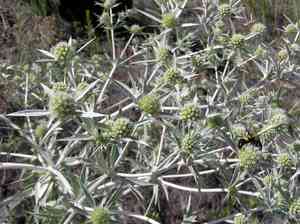
The most favorable period for transplanting field eryngo is when the ground warms up, during the revitalizing interval from late spring to early summer. Select locations that receive ample sunlight and offer good drainage, then carefully place field eryngo in its new position to encourage peak development.
What Preparations are Needed Before Transplanting Field Eryngo?
What is the Ideal Time for Transplanting Field Eryngo?
The best time to move field eryngo is typically during the active growth period of early spring to early summer. This timeframe allows field eryngo sufficient opportunity to establish its root system in the warming ground, promoting vigorous development. Transplanting within this window takes advantage of mild temperatures and increasing daylight, which are beneficial for field eryngo's growth, preventing the strain of intense summer heat. A timely relocation is key to a thriving field eryngo!
How Much Space Should You Leave Between Field Eryngo Plants?
When preparing to transplant your field eryngo, begin by measuring your garden area to ensure adequate room for growth. Aim to provide each plant approximately 18-24 inches (45-60 cm) of space. This spacing will allow them to thrive without competing for essential nutrients and sunlight.
What is the Best Soil Mix for Field Eryngo Transplanting?
Prior to planting your field eryngo, prepare a well-draining soil mixture enriched with some organic material, such as compost, to provide a nutritional boost. Incorporating a slow-release, all-purpose fertilizer will create an optimal environment for a healthy growing season.
Where Should You Relocate Your Field Eryngo?
Select a sunny location in your garden for your field eryngo, as they thrive in direct sunlight. A spot where they can receive at least 6 hours of direct sun daily will be ideal for their impressive display year after year.
What Equipments Should You Prepare Before Transplantation Field Eryngo?
Gardening Gloves
To safeguard your hands while handling soil and plants.
Shovel or Spade
To carefully excavate the plant without harming its root ball.
Pruners
To trim any dead or excess plant parts before relocation.
Garden Fork
To loosen the soil around the plant's roots when extracting it from its original spot.
Watering Can or Hose
To hydrate the field eryngo following its transplant.
Wheelbarrow or Plant Carrier
To move the field eryngo from its initial position to the new planting site.
How Do You Remove Field Eryngo from the Soil?
How Do You Remove Field Eryngo from the Soil?
From Ground: Carefully dig around the field eryngo, creating a wide perimeter, ensuring not to disturb or sever the root ball. Use a shovel or spade to gently lift the plant from the ground.From Pot: Tilt the container sideways and gently tap its bottom and sides. Support the field eryngo by its base and carefully slide it out of the pot, making sure the root ball remains intact.From Seedling Tray: Employ a garden fork or a small trowel to carefully pry the field eryngo seedling from the tray, taking care to preserve the roots and surrounding soil.
Step-by-Step Guide for Transplanting Field Eryngo
Preparation
Ensure all necessary tools and equipment are ready. Water the field eryngo thoroughly the day before transplanting to minimize shock and help soil adhere to roots.
Removal
Extract the field eryngo from its current location, using the appropriate method for its setting (ground, pot, or seedling tray). Be careful to retain as much of the root ball as possible.
Transport
Place the field eryngo in a wheelbarrow or plant carrier to move it to the new site without losing soil or damaging the plant.
Hole Preparation
Dig a hole at the new location that is twice the width of the field eryngo's root ball, and the same depth as its original planting.
Planting
Lower the field eryngo into the hole. Position the plant upright, then backfill the hole with soil, gently firming it around the roots without over-compacting.
Watering
Water the field eryngo generously immediately after transplanting to settle the soil and help reduce transplant shock.
How Do You Care For Field Eryngo After Transplanting?
Mulching
Apply a layer of mulch around the base of the field eryngo to help retain moisture, stabilize soil temperature, and suppress weed growth.
Monitoring
Observe the field eryngo for indications of transplant stress, such as wilting or discolored foliage, and address them promptly.
Pruning
Trim any damaged or excessively long roots before planting and reduce some foliage if there's significant root loss to balance the root-to-shoot ratio.
Troubleshooting Common Issues with Field Eryngo Transplantation.
When is the best time for transplanting field eryngo?
Choose late spring to early summer for optimal rooting and establishment of field eryngo.
How far apart should I space field eryngo when transplanting?
Allow for adequate growth by spacing field eryngo approximately 18-24 inches (45-60 cm) apart.
Why is my field eryngo wilting after transplanting?
Wilting may indicate shock. Ensure the soil is moist and shield field eryngo from intense sun for a few days.
How deep should the hole be for transplanting field eryngo?
The hole should accommodate the field eryngo's root ball size, typically matching the depth of its original container.
Can field eryngo be transplanted during the heat of the day?
Transplant field eryngo during cooler parts of the day to minimize stress and water loss.
How much should I water field eryngo after transplanting?
Water generously right after transplanting to settle the soil, then every few days, depending on weather conditions.
Should I fertilize field eryngo after transplanting?
Wait several weeks before fertilizing field eryngo to prevent root burn, then use a balanced fertilizer.
What type of soil is ideal for transplanting field eryngo?
Utilize well-draining soil rich in organic matter to provide a healthy environment for field eryngo roots.
How do I protect field eryngo from transplant shock?
Gradually acclimate field eryngo to outdoor conditions, avoid disturbing roots, and maintain consistent moisture levels post-transplant.
Can field eryngo be transplanted in shared garden spaces?
Yes, but ensure sufficient spacing from other plants and that field eryngo's specific environmental needs are met.



