Enhancing Your Garden Design with the Field eryngo Plant: A Landscaping Guide
1
Eryngium campestre is a adaptable plant that can serve as a centerpiece in your garden.
2
Pairing Eryngium campestre with other flora produces striking differences in hues and forms.
3
Eryngium campestre retains its aesthetic charm throughout various seasons and weather conditions.
Incorporating Field eryngo into Contemporary Landscape Design
Overview of Field eryngo in current landscaping trends
Modern landscape design increasingly features plants like Field eryngo due to their durability, distinct look, and adaptability. Field eryngo combines rugged charm with ecological advantages, making it a preferred choice for today's landscapers. It integrates well into sustainable designs, offering both aesthetic appeal and resilience in diverse weather. This trend highlights a growing appreciation for native, drought-tolerant plants that reduce intensive upkeep and water consumption.
Visual appeal: How Field eryngo enhances various design themes
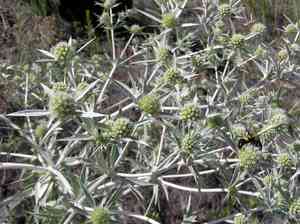
Field eryngo is recognized for its striking silvery-blue leaves and thistle-like blooms, making it an excellent option for diverse garden themes, from rustic and prairie-style settings to more structured, modern layouts. Its unique texture and color provide a captivating contrast, breaking up the uniformity of green-dominated areas. Placed thoughtfully, Field eryngo can lend a natural yet refined feel to any garden, enriching its overall visual charm and strengthening thematic consistency.
Key attributes making Field eryngo suitable for outdoor environments
A primary characteristic that makes Field eryngo ideal for outdoor landscaping is its high drought tolerance. Its deep root system allows it to flourish in dry conditions, making it a superb selection for xeriscaping and water-wise gardens. Furthermore, Field eryngo is a robust perennial, capable of enduring varied temperatures and soil types. Its low maintenance needs make it an appealing choice for homeowners seeking beautiful landscapes without the demanding care often required by other plants.
Utilizing Field eryngo for Landscape Design Impact
Using Field eryngo to create garden focal points
Integrating Field eryngo as a garden focal point can create a memorable impression. Its bold, architectural form draws the eye and can serve as a centerpiece in planting beds or mixed borders. By positioning Field eryngo at key viewpoints, such as at the end of a path or the center of a courtyard, you can effectively anchor your landscape design, directing attention and adding structured beauty to the outdoor space. Its unique appearance ensures it stands out, even when not in full bloom.
Pairing Field eryngo with other plants for color and texture contrast
Combining Field eryngo with various other plants can create a visually vibrant garden. Consider pairing it with plants that offer contrasting textures, such as grasses with feathery plumes or plants with broad, smooth leaves. This contrast enhances the individual qualities of each plant, creating a balanced and harmonious garden. Additionally, the silvery-blue shades of Field eryngo complement a wide range of colors from soft pastels to vibrant hues, allowing for creative and stunning plant pairings.
Designing paths and borders using Field eryngo
Field eryngo can be an excellent choice for defining pathways and borders due to its structural integrity and aesthetic appeal. When used along paths, its vibrant foliage and unique flowers create a visually engaging route through your garden. For borders, Field eryngo acts as a natural divider, separating different garden zones while contributing to the overall design. Its low maintenance requirements ensure these high-traffic areas remain attractive without constant care.
Year-Round Appeal with Field eryngo
Seasonal changes in appearance and interest
Field eryngo offers continuous interest throughout the year with its dynamic seasonal transformations. During spring and summer, it produces striking flowers that attract pollinators, adding both visual and ecological benefits to the garden. In autumn, its foliage deepens in color, maintaining the garden's vibrancy even as other plants begin to fade. During winter, its structural form and persistent foliage provide visual interest when many other plants are dormant.
Maintaining aesthetic appeal across different seasons
To preserve Field eryngo's beauty throughout the year, minimal yet strategic care is essential. Regularly removing spent flower stalks and light pruning in spring encourages new growth and helps the plant maintain its shape. Mulching in autumn can protect its roots and improve soil conditions for the upcoming growing season. Its natural resilience means that with these few steps, Field eryngo can maintain its striking appearance all year round, enhancing the garden's visual appeal.
Examples of Field eryngo's hardiness in diverse climates
Field eryngo exhibits remarkable hardiness, thriving in a variety of climates from temperate to arid regions. Its adaptability to different soil types, ranging from sandy to well-drained clay, further highlights its robustness. Gardeners from various parts of the world have successfully incorporated Field eryngo into their landscapes, demonstrating its ability to withstand both hot summers and cold winters. This resilience makes it a dependable and versatile option for enhancing diverse garden styles and conditions.



