How Much Sunlight Do Field eryngo Need?
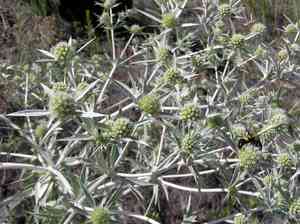
1
Field eryngo flourishes optimally in direct sunlight, requiring a minimum of 6 hours of unhindered sun exposure each day.
2
In exceptionally warm regions, some shade might be beneficial to avoid leaf scorching and excessive dehydration.
3
Utilize sun tracking devices to observe the plant's light exposure, ensuring an ideal growing atmosphere throughout the year.
Grasping Field eryngo's Light Needs
The Importance of Light for Field eryngo
Light is crucial for the general health and vitality of Field eryngo. This distinctive plant, recognized for its striking appearance and hardiness, heavily relies on sufficient light to carry out essential functions. Light not only powers photosynthesis but also plays a key role in shaping the plant's growth patterns and structural integrity.
Photosynthesis and Growth Effects
For Field eryngo, light drives the photosynthetic process, through which the plant transforms solar energy into usable power. This energy is utilized for development, blooming, and reproduction. Without adequate light, Field eryngo might show stunted development, fewer blossoms, and general frailty.
Ideal Light Conditions for Field eryngo
Optimal Daily Light Duration
The best light for Field eryngo is full sun exposure, meaning at least 6-8 hours of direct sunlight daily. This period ensures the plant gets enough energy to support vigorous growth and vibrant flowers.
Full Sun Versus Partial Shade
Field eryngo prefers full sun environments. However, in extremely hot or dry climates, providing some shade during the warmest part of the day can prevent scorching. While full sun generally promotes superior growth, shading options can help balance the light to avoid stress.
Seasonal Light Fluctuations
Throughout the year, the intensity and length of daylight can change. In summer, Field eryngo might need some afternoon shade to avoid excessive heat, while during cooler months, ensuring maximum sun exposure is beneficial. Adjusting the plant's position seasonally can help maintain optimal light conditions.
Indicators of Insufficient or Excessive Light for Field eryngo
Symptoms of Too Little Light
When Field eryngo doesn't receive enough light, it may display signs such as etiolation, sparse flowering, and pale foliage. These indicators suggest the plant is stretching towards available light sources and using stored energy inefficiently.
Signs of Sunburn or Overexposure
Conversely, too much light can lead to sunburn, which appears as scorched, brown, or bleached areas on the leaves. This sun damage can weaken the plant, making it more vulnerable to other stressors and reducing its overall robustness.
Tips to Ensure Proper Light for Field eryngo
Selecting the Right Spot
Place Field eryngo in an area where it will receive ample direct sunlight throughout the day. An open space free from tall structures and large trees that could cast shadows is ideal. Observing the sun's path can aid in choosing the best location.
Utilizing Light Tracking Tools
Light tracking devices and applications can offer insights into daily light exposure. These tools help you understand how much light your Field eryngo is getting and adjust conditions as needed. They can be particularly useful in planning seasonal relocation for optimal light.
Adjusting Plant Placement Seasonally
Seasonal changes affect light exposure, so it might be necessary to move Field eryngo to different spots throughout the year. During winter months, maximizing light by relocating to a sunnier area is crucial, whereas in scorching summer heat, a slight shift to a partially shaded area may prevent harm.



