The Field eryngo Plant Advantage: Maximizing Home and Office Appeal and Wellness
1
Field eryngo draws helpful pollinators to your outdoor space.
2
This species tolerates dry conditions, simplifying its upkeep.
3
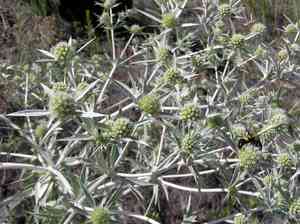
Field eryngo offers a distinct visual charm through its unique leaves and blooms.
Why Consider Cultivating Field Eryngo?
Drawing in Beneficial Pollinators
Field eryngo plays a vital role in attracting helpful pollinators such as bees, butterflies, and other insects. These pollinators are crucial for the fertilization of many garden plants, ensuring a thriving and productive garden. The distinctive blooms of Field eryngo are particularly appealing to these insects, making it an essential part of a flourishing garden ecosystem.
Aridity Tolerance and Minimal Upkeep
A key characteristic of Field eryngo is its impressive ability to withstand dry conditions. This plant can flourish in arid environments with little irrigation, making it an excellent option for gardeners in dry regions or those aiming to reduce water consumption. Its low-maintenance nature means it demands less attention and resources compared to more water-dependent plants, making it both environmentally friendly and economical.
How Does Field Eryngo Improve Soil Quality?
Soil Ventilation and Erosion Control
Field eryngo possesses a strong root system that aids in aerating the soil, enhancing its overall structure and vitality. This aeration process allows water and nutrients to penetrate more effectively, benefiting adjacent plants. Furthermore, Field eryngo helps prevent soil erosion by stabilizing the soil with its deep roots, especially in areas prone to washing away.
Nutrient Circulation
Another less recognized advantage of Field eryngo is its capacity to contribute to nutrient cycling within the garden. By improving soil structure and root penetration, this plant assists in the natural decomposition of organic matter, returning valuable nutrients to the soil. This process creates a more fertile growing environment for other plants.
What Visual Appeal Does Field Eryngo Offer?
Distinctive Foliage and Blooms
Field eryngo is renowned for its unique aesthetic charm. Its striking leaves, characterized by their spiky texture and vibrant flowers, add a singular visual element to the garden. This plant can serve as a captivating focal point or be integrated with other plants to create diverse and textured garden designs.
Adaptable Landscaping Choices
Field eryngo is a versatile plant suitable for various landscaping applications, including rock gardens, wildflower meadows, and formal borders. Its adaptability to different garden styles makes it a flexible choice for gardeners seeking to enhance their garden's visual interest and ecological diversity.
Practical Applications of Field Eryngo in Garden Design
Natural Boundaries and Barriers
Due to its robust nature and distinctive appearance, Field eryngo is frequently utilized as a natural border or barrier in gardens. This plant can delineate different garden zones or establish natural boundaries along pathways and garden edges. Its tough foliage also makes it an excellent option for creating protective barriers against garden pests.
Companion Planting Strategies
Field eryngo can be strategically employed in companion planting to boost the growth and health of nearby plants. By attracting pollinators and providing ground cover, it supports the development of a diverse and resilient garden ecosystem. It pairs well with other drought-tolerant plants and can complement both native and exotic species.
Cultivating and Caring for Field Eryngo in Your Garden
Planting Recommendations
When planting Field eryngo, select a sunny spot with well-drained soil. Although it is adaptable, this plant thrives best in conditions that mimic its natural habitat. Planting should ideally occur in the spring or fall to allow the plant to establish roots before extreme weather conditions arrive.
Care and Upkeep
Field eryngo requires minimal maintenance once established. Regularly inspect for pests and remove any dead or damaged foliage to maintain plant health. Watering should be done sparingly, as this plant prefers dry conditions. With proper care, Field eryngo can become a long-lasting and resilient component of your garden landscape.



