How to Prune Field eryngo?
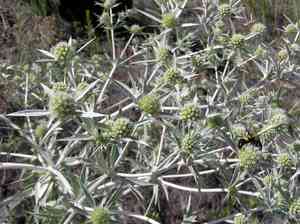
This perennial, resembling a thistle, is valued for its sharp structure and blue-tinted blossoms. For Eryngium planum, trimming should concentrate on eliminating faded flowers and excising lifeless leaves. It is most effectively performed in spring or early summer to foster fresh development and preserve its form. Pruning encourages thicker foliage, deters excessive self-seeding, and stimulates more robust flowering. Caution is necessary to prevent the removal of nascent bud formations during the trimming process. Consistent removal of spent flowers can prolong the flowering season and improve the plant's aesthetic quality.
What Are the Benefits of Pruning Field Eryngo?
What Are the Benefits of Pruning Field Eryngo?
Trimming field eryngo promotes robust development and maintains a desired form. Strategic cuts enhance light penetration and air movement, boosting the plant's vigor and visual appeal.
What Is the Best Time for Pruning Field Eryngo?
What Is the Best Time for Pruning Field Eryngo?
Trimming or cutting field eryngo in late spring and early summer coincides with its post-flowering phase, enabling gardeners to shape the plant and remove spent blooms without disrupting flowering. This timing stimulates new growth while the plant is still active, helping field eryngo recover quickly from pruning and reducing susceptibility to stress or disease. Moreover, it avoids cutting during the dormant winter when field eryngo is least able to heal, which can increase vulnerability to environmental stressors. Late spring to early summer pruning also anticipates the upcoming high-growth season, during which field eryngo's energy will be directed towards new development, ensuring a strong and healthy plant for the season.
What Tools Do I Need to Prune Field Eryngo?
Hand Pruners
Ideal for deadheading and trimming slender stems of field eryngo, ensuring neat and precise cuts.
Gloves
Essential for protecting the gardener's hands from the spiky foliage of field eryngo.
Long-sleeved Clothing
Recommended attire to shield skin from the plant's thorny texture during pruning.
Pruning Saw
Perfect for cutting through thicker, woody stems that hand pruners cannot manage, ensuring a smooth cut without harming field eryngo.
Loppers
Useful for reaching into dense growth to trim larger stems without damaging surrounding field eryngo stems.
How to Prune Field Eryngo
Cleaning Tools
Before beginning to prune field eryngo, ensure your pruning tools are sharp and clean to prevent disease spread. Disinfect shears or snips with a bleach or alcohol solution.
Identify Diseased Leaves
Carefully inspect field eryngo for any diseased leaves, which may show discoloration, spots, or signs of infection. Differentiate these from healthy foliage for targeted removal.
Remove Diseased Leaves
Use your pruning tools to carefully snip off diseased leaves at their base where they connect to the stem. Make clean cuts to avoid damaging healthy parts of field eryngo.
Identify Withered Leaves
Look for withered or dead leaves on field eryngo, which are typically dry, brown, and brittle. Removing these helps redirect the plant's energy to healthy growth.
Remove Withered Leaves
Gently prune away the withered leaves by cutting them at the base, similar to the approach for diseased leaves. Be careful not to harm new growth or nearby healthy foliage.
Identify Diseased Stems
Examine field eryngo stems for signs of disease, such as abnormal swellings, cankers, or lesions. Mark these areas for pruning to halt the spread of infection.
Prune Diseased Stems
Cut off diseased field eryngo stems a few inches below the affected area, into healthy tissue. Ensure the cut is at a 45-degree angle to promote water run-off and healing.
Common Pruning Mistakes with Field Eryngo
Overpruning
A frequent error is removing too much of field eryngo's foliage or stems. Excessive pruning can stress the plant, leading to reduced vigor and flowering potential.
Improper Tools
Using dull or dirty pruning tools can injure field eryngo's stems, making the plant more vulnerable to diseases. It's vital to use clean, sharp tools for precise cuts.
Incorrect Timing
Pruning at the wrong time, even without specifying the season, can negatively affect field eryngo's health and flowering, as pruning during active growth or blooming phases may hinder these processes.
Removal Of Healthy Growth
Another mistake is unnecessarily removing healthy stems and leaves. It's important to focus on dead or diseased growth to maintain field eryngo's health.
Ignoring Shape
Neglecting field eryngo's natural shape during pruning can result in an unnatural appearance that may impede the plant's growth pattern and aesthetic appeal.
Common Pruning Tips for Field Eryngo
Selective Pruning
Focus on thinning out dense areas to improve air circulation and light penetration. This helps maintain the plant's health and encourages new growth.
Stem Cutting Angle
Cut stems at a 45-degree angle just above a growth node or leaf to promote healing and new growth. This angle helps prevent water accumulation on the cut surface, reducing rot risks.
Cleanliness
Ensure all tools are sterilized before use to prevent the spread of disease. Clean the tools again after pruning field eryngo to maintain tool health and performance.
Post-Flowering Pruning
After field eryngo has flowered, prune it back to help shape the plant and encourage a flush of new growth without specifying the best season to do so.
Protection Of New Buds
When cutting back field eryngo, be careful to preserve new buds, as they are the future site of growth and flowering.
Gradual Pruning
For field eryngo, it's better to prune gradually rather than all at once. This method helps the plant recover more quickly without affecting its long-term health and appearance.



