How to Transplant Giant viper's-bugloss?
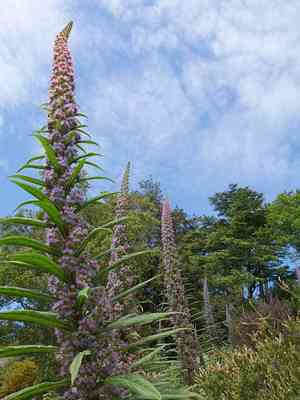
The optimal period for relocating giant viper's-bugloss spans from the latter part of spring through the middle of summer, fostering vigorous development. Choose a location bathed in sunlight with soil that drains effectively; protection from strong gusts of wind can be advantageous. A helpful suggestion: Maintain consistent soil dampness following transplantation for superior outcomes.
Necessary Preparations Before Relocating Giant Viper's-bugloss?
Optimal Period for Relocating Giant Viper's-bugloss?
The best time to move giant viper's-bugloss is from the start of the warm season through the peak of summer heat. This timing aligns with giant viper's-bugloss's growth cycle, providing it with a strong beginning in its new spot. By moving giant viper's-bugloss during this interval, the plant will have sufficient time to establish its root system in the mild soil before autumn's chill arrives. Furthermore, transplanting giant viper's-bugloss when days are pleasantly long offers it the benefit of more sunlight hours for photosynthesis, vital for its development and blooming success.
Recommended Spacing Between Giant Viper's-bugloss Plants?
When relocating giant viper's-bugloss, aim to provide each plant ample room to flourish. An ideal spacing is approximately 35-47 inches (90-120 cm). This will allow your giant viper's-bugloss to grow large without becoming overcrowded, leading to improved health and more impressive flowers!
Best Soil Mixture for Giant Viper's-bugloss Relocation?
For giant viper's-bugloss, the groundwork is crucial! Select a soil that drains well and is rich in nutrients. A loam-based mix is perfect. Before planting, enrich the soil with a slow-release fertilizer to give your giant viper's-bugloss an excellent start. Consider it a hearty meal for your plants!
Preferred Location for Your Giant Viper's-bugloss?
Your giant viper's-bugloss will thrive in a sunny spot! Try to find an area that receives sunlight for most of the day. This sun-drenched location should encourage robust growth and vibrant blooms. It's like choosing the perfect sunny getaway for your green companions!
Equipment to Prepare Before Transplanting Giant Viper's-bugloss?
Gardening Gloves
To safeguard your hands while handling soil and the plant.
Shovel or Spade
For excavating the plant and preparing the soil in its new position.
Watering Can or Hose
To hydrate the plant before and after the relocation process.
Pruning Shears
To trim any damaged roots or foliage prior to transplanting.
Wheelbarrow or Plant Dolly
To move the giant viper's-bugloss if it is large or if the new site is distant from the original spot.
Garden Trowel
For refining the planting hole and managing smaller plants or young sprouts.
Rooting Hormone (optional)
To stimulate root development after transplanting, if necessary.
Stakes or Supports
To offer stability to giant viper's-bugloss as it adjusts to its new environment.
How to Extract Giant Viper's-bugloss from the Soil?
How to Extract Giant Viper's-bugloss from the Soil?
From Ground: Thoroughly water the giant viper's-bugloss to soften the surrounding soil. Use a shovel or spade to dig a wide circle around the plant, being careful to preserve as much of the root ball as possible. Gently lift the plant from the ground, keeping the root ball intact.From Pot: Start by watering the giant viper's-bugloss to make the soil more pliable. Tilt the pot sideways and gently tap or press its sides to loosen the root ball. Then, carefully slide the plant out of the pot while supporting the base of the stem.From Seedling Tray: Water the seedlings until the soil is moist. Use a garden trowel or similar tool to carefully pry the seedling out of the tray, ensuring the root ball and as much soil around the roots as possible remain.
Step-by-Step Guide for Relocating Giant Viper's-bugloss
Preparation
Gather all necessary tools and ensure the new site is ready for transplanting.
Removal
Carefully extract the giant viper's-bugloss from its initial location, as described in the removal procedure.
Transport
If the new location is not immediately accessible, use a wheelbarrow or plant dolly to move the giant viper's-bugloss without harming the plant or its root structure.
Hole Preparation
Dig a hole in the new spot twice as wide as the root ball and as deep as its original planting depth.
Root Pruning
Trim any broken or excessively long roots with pruning shears to encourage fresh growth.
Placement
Position the giant viper's-bugloss in the center of the new hole, ensuring it stands upright.
Refilling
Backfill the hole with soil, gently patting it down to eliminate large air pockets.
Stability
If giant viper's-bugloss is tall and prone to wind damage, provide stakes or supports for added stability.
Watering
Thoroughly water the giant viper's-bugloss, making sure the entire root zone is hydrated.
How to Care for Giant Viper's-bugloss After Relocation?
Watering
Provide giant viper's-bugloss with ample water regularly, especially during the initial weeks, without saturating the soil.
Mulching
Apply mulch around the base of giant viper's-bugloss to help retain soil moisture and keep the roots warm as it adjusts.
Protection
Shield the giant viper's-bugloss from strong winds or harsh elements using burlap or a similar protective covering if needed.
Monitoring
Observe the giant viper's-bugloss for indications of transplant shock, such as wilting leaves or discoloration, and address issues promptly.
Pruning
Remove dead or yellowing foliage to promote healthy growth and prevent potential disease spread.
Addressing Common Issues with Giant Viper's-bugloss Relocation.
What's the ideal time to move giant viper's-bugloss?
Relocate giant viper's-bugloss from late spring through midsummer, when temperatures are warm but not extreme.
How much space should I leave between giant viper's-bugloss plants?
Allow giant viper's-bugloss ample room to thrive by spacing them 35-47 inches (90-120 cm) apart.
Why are my giant viper's-bugloss transplants wilting after planting?
Wilting may be due to root disturbance. Minimize handling and water immediately after transplanting.
How deep should I plant giant viper's-bugloss seedlings?
The root ball should be planted at the same depth it was growing previously.
Can I move giant viper's-bugloss into containers?
Yes, ensure containers are sufficiently large to accommodate giant viper's-bugloss's growth and offer good drainage.
What soil conditions does giant viper's-bugloss prefer when transplanting?
Use well-draining soil, enriched with organic matter, to encourage robust growth in giant viper's-bugloss.
Should I prune giant viper's-bugloss when transplanting?
Avoid pruning during transplanting to reduce stress on giant viper's-bugloss. Let it establish itself first.
Is mulching beneficial for giant viper's-bugloss after transplanting?
Mulching helps retain moisture and suppress weeds, which is beneficial for giant viper's-bugloss's successful establishment.
How often should I water giant viper's-bugloss after transplanting?
Keep the soil consistently moist but not waterlogged for the initial few weeks post-transplant.
When can I expect giant viper's-bugloss to flower after transplanting?
With proper care, giant viper's-bugloss should bloom in its second year as it's a biennial.



