The Hidden Danger in Your Home? Unmasking the Toxicity of the Giant viper's-bugloss Plant.
1
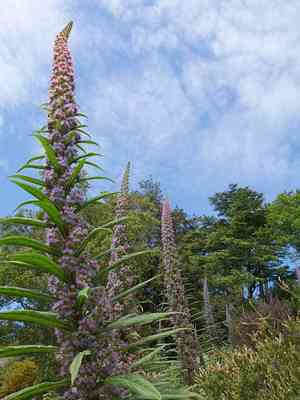
The whole giant viper's-bugloss plant is poisonous and can cause serious health problems in people if consumed.
2
Giant viper's-bugloss has pyrrolizidine alkaloids, which are known to harm the liver and cause nerve-related problems.
3
Pets like cats and dogs are susceptible to giant viper's-bugloss poisoning, requiring prompt vet attention if signs appear.
Is Giant viper's-bugloss toxic to humans?
Giant viper's-bugloss presents a moderate danger to people, mainly through allergic responses and consumption. Touching the plant's bristles can cause allergic reactions, while eating any part of giant viper's-bugloss can result in poisoning. The whole plant contains harmful substances, with the leaves and stems being especially dangerous due to their irritating hairs. If ingested, individuals might experience symptoms linked to pyrrolizidine alkaloids, such as liver damage, digestive problems, and neurological issues. Symptom severity varies, but care is recommended to avoid accidental ingestion and skin contact.
Is Giant viper's-bugloss toxic to cat?
Giant viper's-bugloss presents a moderate toxic threat to felines and should be handled carefully. Cats can suffer allergic responses simply by touching the plant's irritating bristles. If consumed, the toxicity can lead to more serious health problems, as the entire plant contains harmful pyrrolizidine alkaloids. Whether touched or eaten, giant viper's-bugloss can cause signs of physical distress in cats, necessitating prompt veterinary care to effectively manage potential poisoning.
Is Giant viper's-bugloss toxic to dog?
Giant viper's-bugloss carries a moderate toxicity risk for canines. Exposure to this plant can happen in two main ways: allergic reactions from contact with the hairs on its leaves and stems, and poisoning through ingestion. Dogs that touch or consume any part of giant viper's-bugloss, which is entirely poisonous, might display signs of poisoning. These symptoms can include vomiting, diarrhea, sluggishness, and liver damage due to pyrrolizidine alkaloids. Dog owners must be watchful and prevent their pets from interacting with or eating giant viper's-bugloss. If a dog shows signs of poisoning from giant viper's-bugloss, immediate veterinary attention is vital for the best outcome.



