How to Prune Giant viper's-bugloss?
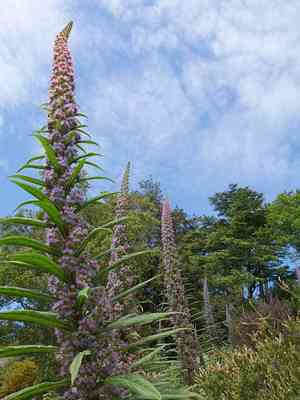
Celebrated for its impressive column of azure blossoms, Echium pininana creates a striking presence in horticultural settings. Optimal trimming entails removing faded blooms to stimulate fresh development, whereas severing the entire flower stalk subsequent to flowering can foster a neater look. This plant can dependably be trimmed throughout the year, though the most favorable outcomes are achieved with post-bloom cuts. Consistent pruning sustains the well-being and controlled size of Echium pininana, potentially accentuating its remarkable structural shape, thereby establishing it as a centerpiece in any outdoor area.
What Are the Benefits of Pruning Giant Viper's-bugloss?
What Are the Benefits of Pruning Giant Viper's-bugloss?
Trimming giant viper's-bugloss promotes abundant flowering, revitalizes growth, and maintains a pleasing shape. Strategic cuts enhance plant health and visual appeal, crucial for giant viper's-bugloss's tall form and profuse blooms.
What Is the Best Time for Pruning Giant Viper's-bugloss?
What Is the Best Time for Pruning Giant Viper's-bugloss?
Cutting back giant viper's-bugloss in late winter to early spring is beneficial as the plant is typically dormant. During this time, the risk of pest and disease transmission is minimal, ensuring a healthier growth cycle after pruning. Additionally, any frost damage from winter can be removed, encouraging new spring growth. Pruning before the rapid growth phase allows for effective shaping and directs energy towards producing strong new stems and foliage. Since giant viper's-bugloss flowers in summer, late winter or early spring pruning will not disrupt its blooming cycle.
What Tools Do I Need to Prune Giant Viper's-bugloss?
Bypass Pruners
Perfect for clean, precise cuts, essential for trimming small stems and deadheading spent flowers on giant viper's-bugloss.
Lopping Shears
Designed for thicker, out-of-reach stems and branches, useful for cutting back giant viper's-bugloss when it becomes woody after flowering.
Pruning Saw
Effective for removing larger, woodier sections of giant viper's-bugloss post-flowering, especially for mature plants requiring significant reduction.
Long-Handled Pruners
Offer extended reach to safely prune taller giant viper's-bugloss specimens without ladders, providing better control and safety.
How to Prune Giant Viper's-bugloss
Sterilize
Before pruning giant viper's-bugloss, ensure all tools are sterilized to prevent disease spread. This can be done by wiping blades with alcohol or a bleach-to-water solution (1:9 ratio).
Remove Diseased Leaves
Carefully check giant viper's-bugloss for diseased foliage. Using sterilized shears, snip off affected leaves at their base, where they meet the stem, to prevent further infection.
Trim Withered Flower
Locate withered flowers on giant viper's-bugloss and snip them off at the base of the flower stem. Removing spent blooms can sometimes stimulate new growth and prevent the plant from expending energy on seed production.
Eliminate Dead Material
Prune away dead branches and withered leaves from giant viper's-bugloss by cutting them at their point of origin. Ensure cuts are clean and precise to encourage healthy new growth.
Prune Diseased Branches
Finally, identify and remove any diseased branches from giant viper's-bugloss. Make cuts at least several inches below the affected area to ensure all diseased tissue is gone. Properly dispose of all removed material to prevent disease spread.
Common Pruning Mistakes with Giant Viper's-bugloss
Overpruning
Removing too much growth at once can shock giant viper's-bugloss, leading to poor health or even death. It's vital to prune sparingly, as giant viper's-bugloss cannot regenerate from old wood.
Improper Cut Location
Cuts made too far from growth nodes or into old wood may hinder regrowth and cause dieback. For giant viper's-bugloss, cuts should be made close to, but not on, the nodes.
Ignoring Dead Flowering Spikes
Leaving spent flowering spikes on giant viper's-bugloss not only looks untidy but also drains energy that could fuel new growth. Regular removal is essential.
Using Dull Tools
Dull or dirty pruning tools can harm giant viper's-bugloss by creating jagged cuts more susceptible to pests and diseases. Always use sharp, clean tools for a clean cut.
Pruning At Suspend Growth Stage
Pruning giant viper's-bugloss during its vegetative growth or blooming period can prevent it from reaching its full potential. Proper timing should be considered, even if season-specific advice is excluded.
Common Pruning Tips for Giant Viper's-bugloss
Sanitize Tools
Before pruning giant viper's-bugloss, clean and sanitize tools to prevent disease spread. A bleach and water mixture or rubbing alcohol can be used.
Prune Spent Spikes
After giant viper's-bugloss finishes flowering, cut the spent spikes at the base to redirect energy to the rest of the plant and encourage a neat appearance.
Healthy Growth Promotion
Focus pruning efforts on removing dead or diseased wood from giant viper's-bugloss, improving air circulation and light exposure which foster healthy growth.
Cut At 45 Degree Angle
Make cuts at a 45-degree angle just above a leaf node to promote optimal healing and prevent water accumulation at the cut site, which could lead to rot in giant viper's-bugloss.
Monitor Plant Response
Observe how giant viper's-bugloss reacts to pruning. If the plant shows signs of stress, adjust your technique or frequency to suit its specific needs.



