How to Propagate Giant viper's-bugloss?
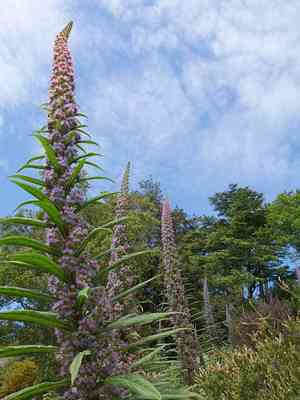
Echium pininana is a unique botanical specimen recognized for its impressive floral stalks and coarse leaves. To multiply Echium pininana, gather seeds that are mature and intact. Hygiene is crucial; avert fungal growth by utilizing sterilized receptacles and substrate. Plant seeds in a potting mix that drains efficiently, and sustain dampness without saturating; this fosters sprouting. When the young plants are sufficiently robust, transfer them into separate containers. Periodically inspect for infestations and ailments, as Echium pininana may draw specific insects and pathogens throughout its developmental phases.
When Is the Optimal Time to Propagate Giant Viper's-bugloss?
Propagation Method
Seeding
Propagation Period
Spring
What Equipment Is Used for Giant Viper's-bugloss Propagation?
Seed trays
Seed trays are vital for planting giant viper's-bugloss seeds. They facilitate an organized approach, allowing proper seed spacing, ensuring good air circulation, and reducing fungal disease risk. Modular trays specifically aid easy transplanting without disturbing the root system, crucial for giant viper's-bugloss's delicate early stages.
Fine-grained seed starting mix
This specific soil type is essential for giant viper's-bugloss due to its need for a well-draining yet moisture-retaining environment to aid germination. The fine texture helps delicate new roots penetrate easily and establish quickly, critical for giant viper's-bugloss's initial growth phase.
Misting bottle
A misting bottle helps maintain ideal humidity around giant viper's-bugloss seeds, crucial for germination without excessive watering. This tool allows gentle irrigation that won't dislodge small seeds or disrupt the soil structure.
Heat mat
Given giant viper's-bugloss's preference for warmth during germination, a heat mat can maintain a steady soil temperature. This is especially beneficial in cooler climates or during colder months, ensuring optimal soil temperature for germination.
Label and marker
Using labels and a marker to tag seed trays is useful for tracking sowing dates and identifying different growth stages in giant viper's-bugloss. This organizational tool helps monitor and manage the growth process effectively.
How to Propagate Giant Viper's-bugloss?
Propagation Difficulty
Simple
How to Care for Your Newly Propagated Giant Viper's-bugloss?
How to Care for Your Newly Propagated Giant Viper's-bugloss?
After propagation, gradually introduce giant viper's-bugloss seedlings to outdoor conditions over about a week. Transplant them to their permanent spot in full sun and well-draining soil. Giant viper's-bugloss needs minimal water once established but benefits from staking as it grows. Protect from frost and strong winds, and fertilize with a general-purpose feed during the growing season.
Common Errors to Avoid When Propagating Giant Viper's-bugloss
Overwatering
Excessive watering is a frequent mistake that can cause root rot in giant viper's-bugloss. This species prefers well-drained soil, so too much water can accumulate and harm its delicate root system, ultimately hindering successful propagation.
Deep Sowing
Planting giant viper's-bugloss seeds too deeply can prevent germination, as they require light exposure to begin growing. Seeds buried under too much soil may not receive the necessary light and fail to sprout.
Ignoring Hygiene
Failing to use sterile tools and containers for propagating giant viper's-bugloss can introduce diseases and pests, which can impede seedling development and overall plant health.
Incorrect Soil Mix
Using an unsuitable soil mix can be detrimental to giant viper's-bugloss's propagation. A mix that doesn't provide adequate drainage can retain excess water and harm the plant's roots.
Tips For Propagating Giant Viper's-bugloss
Sow on Surface
For giant viper's-bugloss, seeds should be sown on the surface of a well-drained soil mix. This ensures they receive the light needed for germination, giving delicate seedlings the best chance to thrive.
Moisture Control
Ensuring consistent moisture without overwatering is crucial. Use a spray bottle to gently mist the surface. Maintaining a balance between moist soil and good drainage is vital for giant viper's-bugloss seedlings.
Sterilize Equipment
Sterilizing pots, tools, and using fresh propagation mix can prevent the introduction of diseases and pests, which is essential for a healthy propagation process of giant viper's-bugloss.
Adequate Drainage
Creating a soil mix with sufficient drainage for giant viper's-bugloss is essential. Incorporating perlite, vermiculite, or sand will improve soil structure, ensuring roots remain healthy and can breathe.



