How Much Sunlight Do Giant viper's-bugloss Need?
1
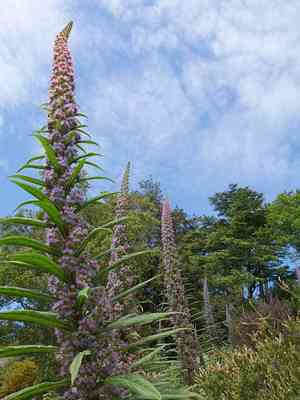
Giant viper's-bugloss flourishes optimally with over six hours of direct sun exposure.
2
Positioning the plant in a location with some shade is acceptable but might impact its development and bloom production.
3
Signs of too much sun exposure are burned leaves and a change in color.
The Importance of Sunlight for Giant viper's-bugloss
Photosynthesis Process
Sunlight is vital for the Giant viper's-bugloss as it powers photosynthesis, essential for the plant's survival. Photosynthesis allows the plant to convert light energy into chemical energy, creating the food it needs to grow. Insufficient light can hinder this process, leading to weak growth and poor health.
Growth and Development Impact
Proper sun exposure significantly influences the growth and development of the Giant viper's-bugloss. Adequate sunlight helps the plant grow taller and produce its distinct, vibrant flowers. Conversely, insufficient sunlight can impede growth, resulting in a less robust and less attractive plant.
Optimal Sunlight Conditions for Giant viper's-bugloss
Full Sun Requirements
The Giant viper's-bugloss thrives best in full sun. This means the plant should receive at least 6 to 8 hours of direct sunlight daily. Full sun promotes vigorous growth and abundant blooms, making the plant a highlight in your garden.
Partial Shade Tolerance
While the Giant viper's-bugloss prefers full sun, it can endure partial shade. However, this should be a secondary choice, as partial shade might hinder the plant's growth and reduce flowering intensity. If placed in partial shade, ensure it still gets ample direct sunlight, ideally in the morning.
Best Location for Giant viper's-bugloss
Outdoor Placement
To ensure your Giant viper's-bugloss gets optimal sunlight, consider placing it in an open outdoor area that receives unobstructed sunlight all day. Ideal spots include south-facing gardens or locations away from tall structures and trees that might cast shadows.
Indoor Conditions
If growing Giant viper's-bugloss indoors, position the plant near a sunny window, preferably south-facing, to maximize light exposure. You may also need to supplement with grow lights if natural sunlight is inadequate, ensuring the plant receives about 6-8 hours of light daily.
Signs of Insufficient or Excessive Sunlight
Identifying Sunburn in Leaves
Too much sunlight can cause sunburn on the leaves of your Giant viper's-bugloss. Look for signs like browning, curling, or white spots on the foliage. These symptoms indicate the plant is getting more sun than it can handle, requiring immediate action to provide shade during the hottest parts of the day.
Stunted Growth Symptoms
Inadequate sunlight can lead to stunted growth and poor flowering in Giant viper's-bugloss. Symptoms include elongated stems, smaller or fewer leaves, and a general lack of vitality. It's important to re-evaluate the plant's location and adjust to provide more sunlight if these signs are observed.
Practical Tips for Managing Sunlight Exposure
Using Shade Cloth
To shield the Giant viper's-bugloss from intense sunlight, especially during peak summer months, you can use a shade cloth. This fabric helps filter harsh sunlight, protecting the plant from potential sunburn while still allowing enough light for photosynthesis.
Seasonal Adjustments
Adjusting the plant's position seasonally can help manage its sunlight exposure. In summer, you might need to provide extra shade, while in winter, positioning the plant to capture the maximum available sunlight is crucial. Such adjustments ensure the plant stays healthy year-round.



