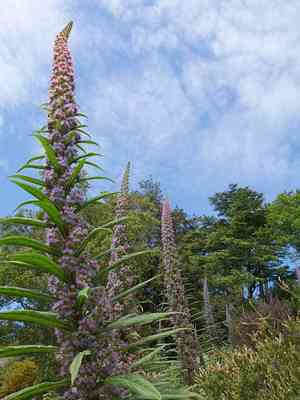
Giant viper's-bugloss (Echium pininana)
Also known as: Tower of jewels, Giant bugloss
Giant viper's-bugloss (Echium pininana) is a dramatic biennial or triennial plant known for its towering flower spikes, adorned with numerous blue or violet blossoms. These tall, missile-like spikes make a striking visual statement in any garden setting.
**Advantages:**
1. **Visual Impact:** The plant's impressive height and vivid flower clusters serve as a captivating centerpiece in garden landscapes.
2. **Pollinator Magnet:** Its blooms are highly attractive to bees, butterflies, and other beneficial insects, enhancing garden biodiversity.
3. **Water-Efficient:** This drought-tolerant plant thrives with minimal watering, ideal for water-conscious gardening.
4. **Easy Care:** Hardy and requiring little upkeep, it is perfect for gardeners seeking low-maintenance yet visually impressive plants.
Attributes of Giant viper's-bugloss
Images of Giant viper's-bugloss
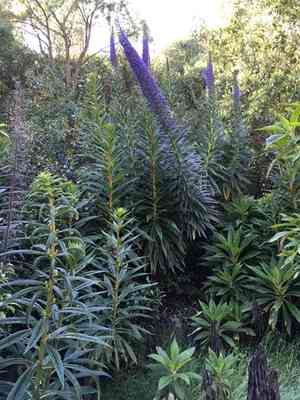
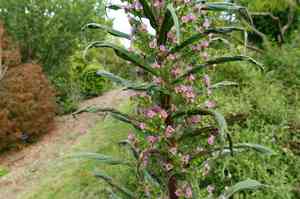
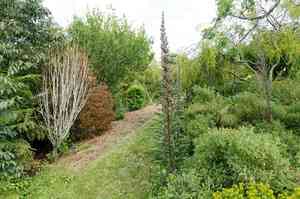
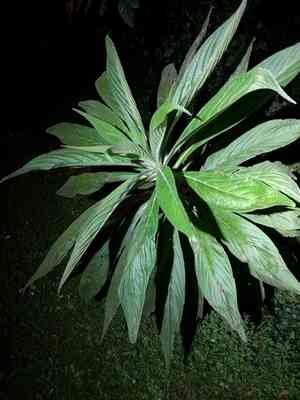
Quickly Identify Giant viper's-bugloss
Scientific Classification of Giant viper's-bugloss
Planting and Growing of Giant viper's-bugloss
 How to Water Giant viper's-bugloss?
 What Are the Sunlight Requirements for Giant viper's-bugloss?
 What Is the Ideal Temperature Range for Giant viper's-bugloss?
 What Soil is Best for Giant viper's-bugloss?
 How to Fertilize Giant viper's-bugloss?
 How to Prune Giant viper's-bugloss?
 How to Propagate Giant viper's-bugloss plant?
 How to Repot Giant viper's-bugloss plant?
Toxicity of Giant viper's-bugloss
Is Giant viper's-bugloss toxic to humans?
The giant viper's-bugloss represents a moderate risk of toxicity to humans, primarily through allergic responses and accidental ingestion. Contact with the plant's hairs can provoke allergic reactions, while consuming any part of the giant viper's-bugloss can result in poisoning. The entire plant harbors toxic compounds, with particular danger stemming from the leaves and stems due to their irritating hairs. When ingested, individuals may experience symptoms linked to pyrrolizidine alkaloids, which may include liver damage, gastrointestinal disturbances, and neurological issues. The intensity of symptoms can fluctuate, but it is advisable to take precautions to avoid unintentional ingestion and skin exposure.
Is Giant viper's-bugloss toxic to cat?
The giant viper's-bugloss presents a moderate toxic hazard to cats and must be approached with care. Simply touching the plant can trigger allergic reactions in cats due to its irritating hairs. Ingesting any part of the plant poses an even greater health threat, as it is laced with pyrrolizidine alkaloids that are recognized as toxic. Whether through contact or ingestion, giant viper's-bugloss can induce signs of physical distress in felines, making it essential to seek prompt veterinary assistance to address possible poisoning appropriately.
Is Giant viper's-bugloss toxic to dog?
The giant viper's-bugloss presents a moderate toxicity hazard to dogs. There are two primary ways dogs can be exposed to this plant: through allergic reactions caused by direct contact with the hairs found on its leaves and stems, or through toxic effects from ingestion. All parts of the giant viper's-bugloss are toxic, and affected dogs may show various signs of poisoning. Symptoms may include, but are not limited to, vomiting, diarrhea, fatigue, and liver damage attributed to pyrrolizidine alkaloids present in the plant. It is essential for dog owners to remain alert and prevent their pets from coming into contact with or eating any part of giant viper's-bugloss. Should a dog exhibit signs of poisoning due to this plant, seeking immediate veterinary assistance is critical to ensure the best possible recovery for the animal.



