The Giant viper's-bugloss Plant Advantage: Maximizing Home and Office Appeal and Wellness
1
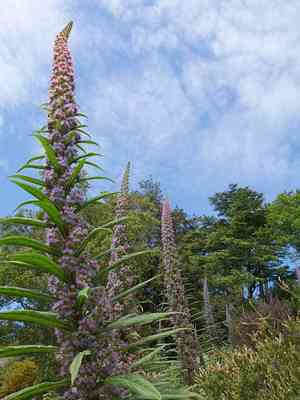
Echium pininana enhances garden aesthetics with its impressive stature.
2
It draws in beneficial insects such as bees and butterflies, promoting ecological diversity.
3
Cultivating Echium pininana aids in soil stabilization and erosion control within your garden.
Why Cultivate Giant Viper's-bugloss?
Aesthetic Allure and Distinctive Beauty
A primary reason to cultivate Giant viper's-bugloss in your garden is its impressive stature and abundant, vivid flower spikes. This plant can readily become the focal point of any garden with its striking blooms, available in shades of blue, purple, and pink. The pleasing appearance of Giant viper's-bugloss not only enhances your garden's beauty but also boosts your property's value.
Attracting Pollinators
Another significant advantage of growing Giant viper's-bugloss is its capacity to draw in a multitude of pollinators. Bees, butterflies, and other beneficial insects are drawn to this plant for its rich nectar. This influx of pollinators can greatly improve your garden's health by increasing the pollination rate of nearby plants. A garden bustling with bees and butterflies is not only lively but also more productive.
Soil Stabilization and Erosion Control
A less recognized benefit of planting Giant viper's-bugloss is its contribution to soil stability. Its robust root system helps secure the soil, making it an excellent choice for areas prone to erosion. This can be especially useful for sloped gardens or regions with loose, sandy soils. By growing Giant viper's-bugloss, you aid in soil conservation, which is vital for environmental sustainability.
Drought Tolerance
In areas experiencing water scarcity, Giant viper's-bugloss proves to be a resilient and drought-tolerant option. Once established, this plant requires minimal irrigation, making it a water-efficient choice for gardeners concerned about water consumption. The drought-resistant nature of Giant viper's-bugloss not only reduces water bills but also supports conservation efforts.
Cultivating Giant Viper's-bugloss in Your Garden: A Guide
Optimal Planting Environment
Giant viper's-bugloss thrives best in well-drained soil and a sunny location. Planting it where it receives full sunlight ensures optimal growth and vibrant flower spikes. Given its preference for well-drained soil, ensure the planting site does not retain excessive water, as waterlogged conditions can harm the plant.
Watering and Fertilizing
Although Giant viper's-bugloss is drought-tolerant, it benefits from consistent watering during its initial growth phase. Once established, occasional watering will suffice. Fertilizing the plant with a balanced feed during the growing season can further enhance its growth and flowering potential. However, avoid over-fertilizing, as this can lead to leggy growth.
Pruning and Upkeep
Minimal pruning is necessary for Giant viper's-bugloss. However, removing spent flower spikes and damaged leaves will keep the plant looking its best and encourage new growth. Regularly checking for pests and diseases will also help maintain your plant's health. Despite its hardy nature, vigilance is key to ensuring Giant viper's-bugloss flourishes in your garden.
Winter Care
In colder climates, providing winter protection is crucial for the survival of Giant viper's-bugloss. Mulching around the base can help insulate the roots from freezing temperatures. In extreme cases, additional coverings or moving the plant indoors may be necessary to shield it from frost.
Common Inquiries Regarding Giant Viper's-bugloss Cultivation
Is Giant Viper's-bugloss Suitable for Container Cultivation?
Yes, Giant viper's-bugloss can be successfully grown in large containers. Ensure the container is spacious enough to accommodate its root system and has adequate drainage. Container-grown Giant viper's-bugloss will require more frequent watering compared to those planted in the ground.
What is the Growth Rate of Giant Viper's-bugloss?
The growth rate of Giant viper's-bugloss can vary based on environmental conditions and care. Typically, it takes one to two years for the plant to reach its full height, with flowering occurring in the second year. Providing optimal growing conditions can help accelerate its growth.
Can Giant Viper's-bugloss Be Propagated from Seeds?
Absolutely! Giant viper's-bugloss can be grown from seeds. Sow the seeds in well-drained soil and maintain consistent moisture levels until germination occurs. Seedlings can then be transplanted to their permanent location once they have developed sufficient strength.
What Wildlife Benefits from Giant Viper's-bugloss?
Beyond attracting bees and butterflies, Giant viper's-bugloss also offers a habitat for various beneficial insects and birds. The seeds can serve as a food source for birds, while the dense foliage provides shelter to smaller wildlife, transforming your garden into a mini-ecosystem teeming with life.



