How to Transplant Wild yam?
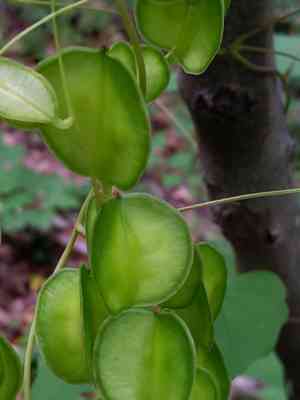
The most favorable time to transplant wild yam is as spring blossoms fade into the beginning of summer, which guarantees robust root development. Choose a location with partial shade to replicate wild yam's native habitat for optimal post-transplant growth.
Preparations Required Before Relocating Wild Yam
Optimal Period for Transplanting Wild Yam
The perfect time for moving wild yam spans from late spring into the initial warmth of early summer. This season offers mild temperatures, allowing roots to establish without the stress of extreme cold or heat. During this timeframe, the soil is typically damp yet warming, which benefits wild yam's root development, and the gentle weather conditions reduce transplant shock, optimizing growth. Introducing wild yam to its new location at this point sets the stage for a vigorous growing season.
Recommended Spacing Between Wild Yam Plants
Begin by planning the area where your wild yam will grow. Aim for a distance of approximately 12 inches to 3 feet (30 to 91 cm) between each plant. This provides your wild yam sufficient room to thrive without becoming overcrowded.
Best Soil Mixture for Wild Yam Transplantation
Prepare a welcoming bed for your wild yam with well-drained soil abundant in organic material. Consider incorporating a balanced, slow-release fertilizer to give your wild yam an excellent start. A pH range of 6.0 to 7.5 is ideal for wild yam to flourish.
Optimal Location for Relocating Your Wild Yam
Select a site that offers your wild yam exposure to full sunlight to partial shade, as they appreciate a mix throughout the day. An east-facing spot that receives morning light and afternoon shade is perfect for your wild yam to prosper.
Equipment Needed Before Transplanting Wild Yam
Gardening Gloves
To safeguard your hands while handling soil and the plant.
Shovel or Spade
For excavating the wild yam plant and preparing the new planting site.
Garden Trowel
To refine the planting hole and assist in positioning the plant.
Watering Can or Hose
To hydrate the wild yam plant before and after relocation.
Wheelbarrow or Garden Cart
For transporting the wild yam plant and soil.
Pruning Shears
For trimming any dead or excessive parts of the plant.
How to Extract Wild Yam from the Soil
How to Extract Wild Yam from the Soil
From Ground: First, water the wild yam plant to moisten the soil, making it easier to dig. Then, using a shovel or spade, dig a wide circle around the plant, being careful not to harm the root system. Gently work your tool beneath the plant to free the root ball and lift it from its current spot.From Pot: Water the wild yam plant to dampen the soil, which simplifies removal. Tilt the pot sideways and gently tap or squeeze it to loosen the soil, being sure to support the plant as it emerges to prevent damage to the stem or roots.From Seedling Tray: Moisten the soil in the tray to help roots slide out more easily. Using a garden trowel or your fingers, gently remove the wild yam seedling by lifting from the base, taking extra care of the delicate roots and leaves.
Step-by-Step Guide for Transplanting Wild Yam
Prepare the New Site
Identify the precise location where you intend to transplant your wild yam, considering the existing landscape and neighboring plants.
Digging the Hole
With your shovel or spade, excavate a hole that is twice as wide as the root ball of your wild yam and equally deep. This allows the roots to spread out easily in the new location.
Plant Positioning
Carefully place the wild yam plant in the center of the prepared hole. The top of the root ball should be level with the surrounding soil surface.
Fill the Hole
Gently backfill the hole with the excavated soil, carefully pressing down around the plant to eliminate any air pockets, which can dry out roots.
Stabilizing the Plant
If the wild yam is larger or top-heavy, you may need to stake the plant to provide temporary support until the roots take hold.
Final Watering
Thoroughly water the newly transplanted wild yam, which helps settle the soil around the roots and provides essential moisture for the plant to recover.
Post-Transplantation Care for Wild Yam
Immediate Watering
Saturate the soil around your newly transplanted wild yam to help alleviate transplant shock. The water also aids in settling the soil.
Mulching
Apply a layer of mulch around the base of the wild yam to help retain moisture, suppress weeds, and regulate soil temperature.
Checking Stakes
If you have staked your wild yam, periodically verify that ties are secure but not overly tight, as they can harm the plant as it grows.
Observation
Monitor your wild yam regularly for signs of stress, such as wilting leaves or a lack of new growth, and take action if necessary to maintain plant health.
Gradual Water Reduction
Decrease watering frequency as your wild yam establishes itself and begins to show new growth, ensuring you still provide enough water to maintain soil moisture.
Troubleshooting Common Issues with Wild Yam Transplantation.
When is the best time to transplant wild yam?
The ideal period is during the transition from spring to early summer, providing a gentle start for wild yam.
How much space does wild yam need when transplanting?
Ensure to space wild yam at least 12 inches (30 cm) to 3 feet (91 cm) apart to allow adequate growth room.
What should I do if wild yam wilts after transplanting?
Provide shade and keep the soil consistently moist. Wild yam may experience temporary shock but usually recovers.
How deep should the hole be for transplanting wild yam?
Dig a hole slightly larger than wild yam's root ball to encourage root expansion without crowding.
What soil type is best for transplanting wild yam?
Use well-draining soil rich in organic matter to promote healthy root development for wild yam.
How much water is required after transplanting wild yam?
Immediately after transplanting, water thoroughly. Then, keep the soil moist, especially during its first growing season.
Why are the leaves of wild yam turning yellow after transplanting?
This could be due to overwatering or poor drainage. Adjust watering schedules and improve soil drainage.
How do I protect wild yam from transplant shock?
Water wild yam before and after transplanting, providing ample moisture without waterlogging the soil.
Can I apply fertilizer right after transplanting wild yam?
Wait a few weeks before fertilizing to avoid burning the roots. Let wild yam settle into its new environment first.
What is the proper way to handle wild yam's roots while transplanting?
Gently tease apart tangled roots and spread them out in the hole to encourage outward growth.



