The Hidden Danger in Your Home? Unmasking the Toxicity of the Wild yam Plant.
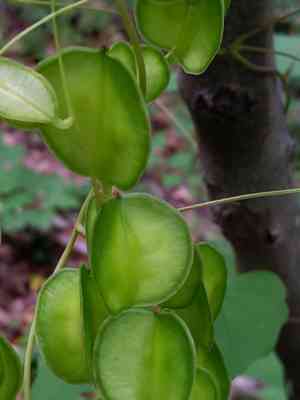
1
The whole wild yam plant poses a toxicity risk to people, felines, and canines, inducing serious signs if consumed.
2
Consumption of wild yam may result in neurotoxic effects like headaches, lightheadedness, and shaking in severe instances.
3
Prompt veterinary attention is crucial for animals that consume wild yam to prevent serious health issues.
Is Wild yam toxic to humans?
Wild yam exhibits a moderate degree of toxicity to humans, with the capacity to induce poisoning if ingested. Every component of wild yam is deemed toxic, and consumption can trigger various symptoms. Individuals who consume parts of wild yam might encounter gastrointestinal issues, such as sickness, throwing up, and loose stools. Furthermore, indicators of neurotoxicity like head pain, lightheadedness, and in serious instances, shaking, could manifest. It is crucial for people to exercise caution and prevent unintentional consumption of wild yam, as the whole plant presents health hazards.
Is Wild yam toxic to cat?
Dioscorea villosa, known as Wild yam, has a moderate toxicity level for felines. If any part of the plant is consumed, as the whole plant is poisonous, cats may show signs of physical distress or sickness. It's vital for cat guardians to make sure their pets don't accidentally eat the plant. If a cat is thought to have encountered 'Dioscorea villosa', observing any shifts in their health or actions could point to poisoning. In such scenarios, a cat needs immediate veterinary attention to handle any potential issues from the exposure.
Is Wild yam toxic to dog?
The plant species wild yam is categorized as moderately toxic to canines. Dogs might inadvertently consume portions of wild yam, potentially leading to poisoning. As the entire plant is toxic, dogs can be poisoned by ingesting any part of it. Signs of poisoning in dogs could involve digestive upset, sluggishness, tremors, or more severe clinical manifestations depending on the quantity consumed. It is crucial for dog owners to supervise their pets closely and restrict access to wild yam. Should a dog ingest wild yam, prompt veterinary intervention is necessary to ensure appropriate treatment and symptom management.



