How Much Sunlight Do Wild yam Need?
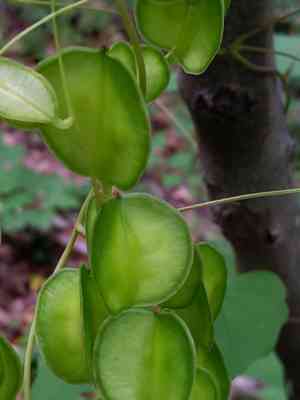
1
Wild yam thrives in full sun, though it can endure some partial shade.
2
Ensure Wild yam receives a minimum of 6 hours of direct sunlight each day.
3
Observing Wild yam allows you to fine-tune its light exposure for best development.
What Light Conditions Does Wild Yam Require?
Full Sun vs. Partial Shade
For optimal growth of Wild yam, full sunlight is generally preferred. This means the plant should receive direct sun for most of the day. However, Wild yam is quite adaptable and can also tolerate partial shade. Partial shade implies the plant gets some daylight but is also protected from direct sun for part of the day, typically under taller plants or structures.
Optimal Daily Sunlight Exposure
For best development, Wild yam needs at least 6 hours of direct sunlight daily. This light aids in photosynthesis, which is vital for the plant's growth and health. In areas with intense sun, morning sun combined with afternoon shade can be ideal to prevent leaf burn.
How to Assess Wild Yam's Sunlight Exposure
Utilizing Light Meters
An effective method to gauge sunlight exposure is to use a light meter. Position the meter near your Wild yam to measure the amount of direct sunlight the plant receives daily. These devices are straightforward to use and provide accurate readings, helping you adjust the plant's placement as needed.
Observing Plant Responses
Beyond using tools, observing how your Wild yam reacts to its surroundings can offer valuable insights. Yellowing leaves, stunted growth, or a leggy appearance may signal insufficient light. Conversely, scorched or bleached leaves can indicate excessive direct sunlight.
Common Sunlight-Related Issues with Wild Yam
Signs of Light Deprivation
If Wild yam isn't receiving enough sunlight, you might notice several key indicators. These include yellowing or pale foliage, elongated stems, and slower development. In severe cases, the plant could become more vulnerable to diseases and pests due to its weakened state.
Symptoms of Excessive Sunlight
While Wild yam thrives in sun, too much can be harmful. Signs of overexposure include scorched or bleached leaves, wilting during the hottest parts of the day, and dry, brittle foliage. If these symptoms appear, consider moving the plant to a spot with more shade during peak sun hours.
Best Practices for Ensuring Adequate Sunlight for Wild Yam
Plant Placement
To ensure your Wild yam gets the correct amount of sunlight, position it where it will receive full morning sun but be shielded from harsh afternoon rays. This could be on the east side of your garden or near a tree that offers filtered shade.
Adapting to Seasonal Changes
Sunlight intensity varies with seasons, and your care routine should too. In summer, you might need to provide shade during peak afternoon hours to prevent leaf scorch, while in winter, ensuring the plant gets maximum available sunlight is crucial. Regularly re-evaluating the plantâs location in your garden will help it flourish year-round.



