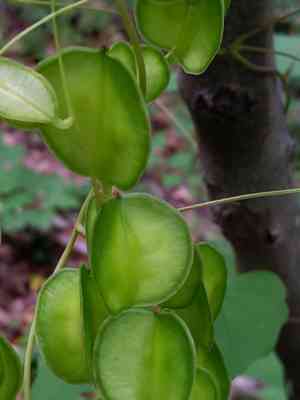
Wild yam (Dioscorea villosa)
Also known as: Colic root, Devil's bones
The wild yam (Dioscorea villosa) is a perennial vine native to the eastern United States. Its tubers are not suitable for consumption. However, the plant is valuable as a habitat, offering cover and nesting sites for small animals. It features small greenish flowers and heart-shaped leaves, and can also be used decoratively on trellises in garden landscapes.
Attributes of Wild yam
Images of Wild yam
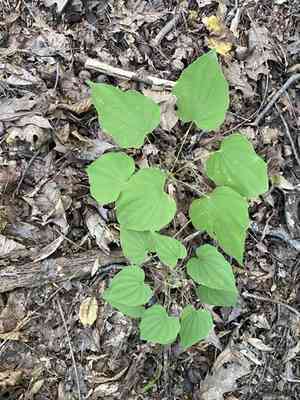
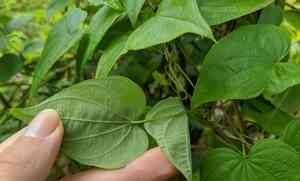
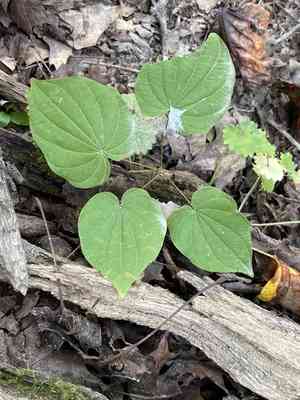
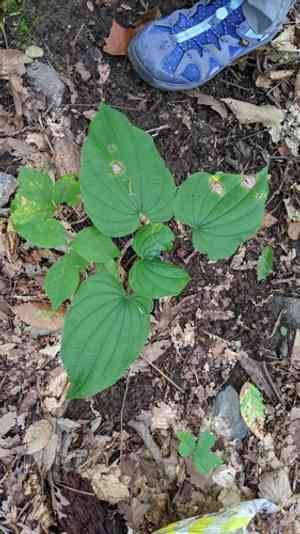
Quickly Identify Wild yam
Scientific Classification of Wild yam
Planting and Growing of Wild yam
 How to Water Wild yam?
 What Are the Sunlight Requirements for Wild yam?
 What Is the Ideal Temperature Range for Wild yam?
 What Soil is Best for Wild yam?
 How to Fertilize Wild yam?
 How to Prune Wild yam?
 How to Propagate Wild yam plant?
 How to Repot Wild yam plant?
Toxicity of Wild yam
Is Wild yam toxic to humans?
Wild yam is known to have a moderate toxicity level in humans, which can result in poisoning if ingested. Every part of the wild yam plant is regarded as toxic, and consumption can produce various symptoms. Those who ingest wild yam may face digestive issues, including nausea, vomiting, and diarrhea. Furthermore, there can be manifestations of neurotoxicity such as headaches, dizziness, and in extreme situations, tremors. It is crucial for individuals to exercise caution and steer clear of unintentional consumption of wild yam, as the whole plant presents potential health hazards.
Is Wild yam toxic to cat?
Dioscorea villosa, referred to as Wild yam, exhibits a moderate degree of toxicity for cats. If any part of this plant is ingested, considering that the entire plant is toxic, it may lead to symptoms that demonstrate the cat's physical distress or illness. It is crucial for cat owners to prevent their pets from mistakenly consuming this plant. Should there be a suspicion that a cat has ingested 'Dioscorea villosa', observing any alterations in their health or behavior could signify poisoning. In such instances, prompt veterinary attention is necessary to manage any potential complications arising from the exposure.
Is Wild yam toxic to dog?
The wild yam plant species is recognized for its moderate level of toxicity to dogs. Canines might inadvertently consume portions of the wild yam, resulting in a risk of poisoning. As the entire plant exhibits toxic properties, any part ingested by dogs can lead to poisoning. Symptoms of toxicity in dogs can encompass gastrointestinal distress, lethargy, tremors, or more severe manifestations depending on the quantity ingested. It is crucial for pet owners to keep a vigilant eye on their dogs and restrict their access to wild yam. Should a dog ingest wild yam, it is vital to seek immediate veterinary assistance to ensure appropriate treatment and symptom management.



