How to Propagate Wild yam?
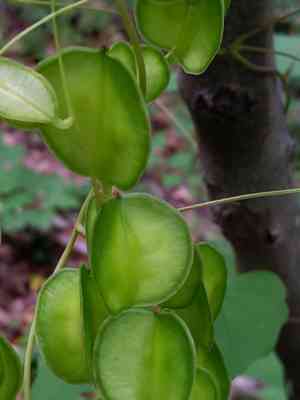
Dioscorea villosa is most effectively multiplied via its underground storage organs. After confirming the soil offers good drainage and is abundant in organic material, position the tubers horizontally several inches beneath the surface, ensuring sufficient distance between them to avoid excessive density. This technique fosters a strong root network, leading to more vigorous development. Consistent observation and careful manipulation of the tubers will improve the likelihood of successful cultivation.
Optimal Period for Wild Yam Propagation
Propagation Method
Utilize The Tubers
Propagation Period
Spring
Tools for Wild Yam Propagation
Sharp Knife or Garden Scissors
Crucial for precise cutting and separation of wild yam tubers. These implements must be very sharp to ensure clean cuts that avoid harming plant tissues. Clean cuts facilitate faster healing and decrease disease risk in wild yam.
Gardening Gloves
Helpful for handling wild yam during propagation to guard against potential sap irritants and to ensure safe use of cutting tools.
Potting Mix
A well-draining, nutrient-rich potting medium is essential for wild yam tuber development. It guarantees proper drainage and aeration, vital for preventing rot in newly planted tubers.
Plant Pots or Trays
These containers will hold individual wild yam tubers after division. Using pots or trays allows for regulated growth conditions and easy relocation during early re-establishment phases.
Labeling Materials
Labels or tags are important for recording when and how propagation was performed. This is especially useful for tracking growth progress or resolving any issues with wild yam.
Watering Can
Equipped with a fine sprinkle attachment, a watering can will ensure that wild yam's newly-planted tubers receive gentle, even hydration without being dislodged or eroded by strong water flow.
Caring for Your Newly Propagated Wild Yam
Caring for Your Newly Propagated Wild Yam
Post-propagation, maintain consistent soil moisture without overwatering, as wild yam prefers moderately damp conditions. Provide partial to full shade, especially in warmer climates, to support optimal growth. As the plant matures, consider applying a balanced, slow-release fertilizer annually to aid in root and foliage development. Monitor plants for signs of pests or diseases and address them promptly to maintain healthy growth.
Common Errors to Avoid When Propagating Wild Yam
Ignoring tuber condition
Using damaged or diseased tubers for propagation can lead to poor growth and spread diseases to new plants. It significantly reduces the chances of successful propagation of wild yam.
Incorrect division technique
Improper slicing or handling of tubers during division can destroy the node points, which are essential for new growth, thereby hindering the propagation process.
Overwatering post-planting
Excess moisture can rot the newly planted tubers of wild yam, especially if the soil doesn't drain well. This can drastically reduce successful propagation rates.
Tips For Propagating Wild Yam
Use healthy tubers
Selecting disease-free and robust tubers ensures a better start. It's crucial for preventing disease transmission and achieving successful propagation of wild yam.
Proper tuber division
Divide the tubers carefully, ensuring each section has at least one growth node. Adequate division stimulates better growth and root development in wild yam.
Moderate watering
Maintain soil moisture at moderate levels after planting the divisions. Ensuring the soil is well-draining but not dry helps the tubers of wild yam establish more effectively.



