How to Prune Wild yam?
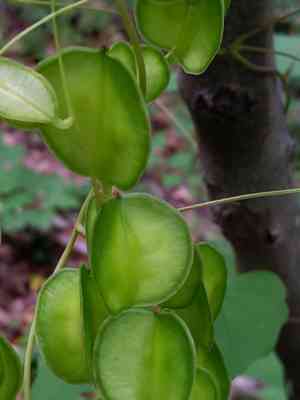
This enduring climbing plant is recognized for its spiraling development and fleshy underground stems. Effective trimming of wild yam entails cutting back deceased or excessively long stalks in the initial part of spring to stimulate fresh development. Eliminate any fragile stalks during the summer season to uphold the plant's robustness and airflow. The most suitable periods for pruning are early spring and summer, coinciding with wild yam's developmental rhythm. Pruning improves the plant's aesthetic and well-being, fostering more resilient stems and potentially boosting tuber yield.
What Are the Benefits of Pruning Wild Yam?
What Are the Benefits of Pruning Wild Yam?
Trimming wild yam promotes robust development and helps maintain its form. By selectively cutting back overgrown sections, the plant directs its energy toward developing stronger, healthier growth, leading to a more resilient structure and enhanced vitality. Regular trimming also allows the gardener to shape wild yam into an attractive form, improving its garden appearance.
What Is the Best Time for Pruning Wild Yam?
What Is the Best Time for Pruning Wild Yam?
Pruning in late Spring or early Summer takes advantage of wild yam's inactive period, which typically occurs before new growth starts. During this time, the plant's energy is focused on root development rather than foliage, making it less stressful for wild yam to lose some of its mass. Additionally, the risk of disease transmission is lower in these seasons as warmer, drier weather aids faster healing of pruning wounds. Trimming before the growing season allows gardeners to shape wild yam and manage its size more effectively, ensuring a healthier plant that can allocate energy towards vigorous growth and development throughout its life cycle.
What Tools Do I Need to Prune Wild Yam?
Bypass Pruners
Perfect for making clean cuts on wild yam's thinner stems, bypass pruners operate like scissors, with two blades passing each other. This minimizes plant tissue damage, promoting better recovery.
Hand Pruning Shears
For more precise trimming of wild yam, especially in confined areas or for shaping, hand pruning shears offer control and accuracy without harming nearby stems.
Pruning Saw
When dealing with thicker stems or roots of wild yam, a pruning saw may be necessary. Its sharp teeth make quick work of more substantial cuts, reducing strain on both the plant and the gardener.
How to Prune Wild Yam
Clean pruning tools
Before beginning, ensure all pruning tools are clean and sharp to prevent spreading disease to wild yam.
Remove diseased leaves
Carefully trim off diseased leaves from wild yam using sanitized pruning shears, cutting close to the stem without causing damage.
Remove withered leaves
Identify and cut away withered leaves, ensuring a clean cut to encourage healthy growth and prevent pests and diseases in wild yam.
Prune diseased stems
Sever any diseased stems on wild yam at the base where they meet healthy tissue, ensuring no stubs are left as they can harbor pests or diseases.
Dispose of trimmed material
Properly dispose of all removed diseased and withered material to prevent the spread of pathogens in the garden.
Common Pruning Mistakes with Wild Yam
Overpruning
Removing too much foliage at once can stress wild yam, hindering its growth and reducing its vigor.
Improper cut location
Cutting too close or too far from the node can result in damage to wild yam and may impede proper healing or lead to unwanted growth.
Using dull tools
Utilizing dull pruning tools can cause ragged cuts that harm wild yam and make it more susceptible to disease.
Neglecting sanitation
Failing to sanitize tools between cuts and plants can spread pathogens to wild yam, possibly leading to infections.
Pruning healthy growth
Indiscriminately removing healthy growth without a clear purpose can reduce the aesthetic appeal and disrupt the natural form of wild yam.
Common Pruning Tips for Wild Yam
Selective pruning
Target only the dead, diseased, or overgrown parts of wild yam to maintain its health and shape while minimizing stress on the plant.
Angled cuts
Make clean, diagonal cuts above a node to encourage proper water run-off and reduce the risk of disease for wild yam.
Tool quality
Use sharp, sterilized pruning shears to ensure precise, clean cuts that facilitate quick healing for wild yam.
Timed pruning
Prune wild yam during its active growth phase to maximize recovery and encourage new, healthy development.
Moderation
Practice restrained pruning, as wild yam does not require extensive cutting back. This encourages a fuller appearance and healthier plant.



