How to Transplant Maiden pink?
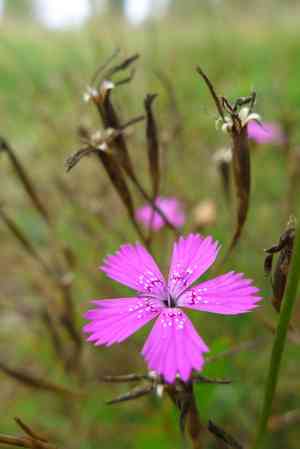
Dianthus deltoides flourishes optimally when relocated between early and late spring or from mid to late autumn. Select a bright, adequately drained spot featuring rich earth. A helpful suggestion: gently moisten the plant prior to transplanting to facilitate the procedure.
Essential Preparations Before Relocating Maiden Pink
Optimal Timing for Maiden Pink Relocation?
The prime period for moving maiden pink is early to late spring, or mid to late autumn. These seasons offer a less stressful transition, allowing plants to establish roots before summer heat or winter frost. This strategic timing ensures a robust, flowering maiden pink. Cooler temperatures and natural rainfall help your maiden pink flourish and enhance your space. Remember, successful maiden pink transplantation largely depends on choosing the right season and moment. So, make an informed decision.
Recommended Spacing for Maiden Pink Plants?
When transplanting your maiden pink, aim for a 6-12 inch (15-30 cm) gap between each plant. This provides ample room for growth and guarantees a healthy, vibrant display.
Ideal Soil Blend for Maiden Pink Transplantation?
Prior to transplanting, prepare a well-draining soil mixture and incorporate a slow-release granular fertilizer. This ensures the maiden pink thrives in nutrient-rich, healthy soil.
Where to Replant Your Maiden Pink?
Select a garden spot that receives full sun or partial shade. Maiden pink will flourish in areas exposed to 6+ hours of daily sunlight, promoting optimal growth and abundant blooms!
Tools Required for Maiden Pink Transplantation
Gardening Gloves
To protect your hands from abrasions while working with soil and the plant.
Spade or Shovel
For excavating a suitable hole in the ground to accommodate the maiden pink's root ball.
Garden Trowel
A smaller implement to assist in carefully removing maiden pink from its original spot without harming the root system.
Watering Can
To moisten the soil both before and after transplanting the maiden pink.
Mulching material
Such as wood chips or straw, to help retain soil moisture and regulate temperature post-planting.
How to Extract Maiden Pink from the Soil
How to Extract Maiden Pink from the Soil?
From Ground: First, water the maiden pink plant to soften the surrounding earth. Then, use your spade or shovel to dig a wide trench around it, being careful not to damage the root ball. Gently work the spade or trowel beneath the root ball to gradually lift the plant from its original position. From Pot: Begin by watering the pot to facilitate easy removal of maiden pink. Turn it sideways, hold gently, and tap the pot's rim on a firm surface. Then, carefully pull out the plant. From Seedling Tray: Thoroughly moisten the soil beforehand. If the tray is flexible, push the maiden pink seedling up from the bottom. Hold the leaf, not the stem, as you gently extract the seedling from its cell.
Step-by-Step Guide for Transplanting Maiden Pink
Digging Hole
Excavate a hole in your garden using a spade or shovel. The hole should be twice as wide as the maiden pink's root ball and as deep as its root length.
Placing the Plant
Position the plant in the prepared hole. Ensure the top of the plant's root ball is level with the soil surface.
Filling the Hole
Gradually backfill the hole with soil. Be careful to gently firm the soil around the plant to keep it upright.
Watering
Water the maiden pink immediately after transplanting. Provide enough water to moisten the newly transferred soil around it.
Mulching
Apply mulching material around the plant to aid in moisture retention and soil temperature regulation.
Post-Transplant Care for Maiden Pink
Watering
Ensure the soil around maiden pink remains consistently moist for the initial weeks following transplanting. Avoid overwatering, as roots also require oxygen.
Inspection
Monitor maiden pink closely. Look for any indications of plant stress, such as wilting, yellowing, or stunted growth, and address these issues promptly.
Pruning
If you observe any damaged or diseased foliage during inspection, prune it off to prevent the problem from spreading to the rest of the plant.
Protection
Shield the newly transplanted maiden pink from harsh weather conditions, such as strong winds or intense heat, by using barriers or shades as needed.
Addressing Common Issues with Maiden Pink Transplantation
When is the best time to transplant maiden pink?
The ideal period for transplanting maiden pink spans from early spring to late spring, or from mid-autumn to late autumn.
What spacing should be maintained when transplanting maiden pink?
Ensure maiden pink has ample room to grow! Maintain a 6-12 inch (15-30 cm) distance between each plant.
What if maiden pink wilts after transplanting?
Maiden pink may experience post-transplant shock. Keep the soil moist, but not waterlogged, and protect it from direct sunlight until it recovers.
Why is maiden pink not flowering after transplant?
Don't worry! Maiden pink may need time to adapt to its new environment. Ensure it receives sufficient sunlight and that the soil drains well.
My maiden pink is turning yellow. What should I do?
Yellowing of maiden pink could indicate overwatering or a nutrient deficiency. Ensure good soil drainage and add compost for additional nutrients.
Should I prune maiden pink after transplanting?
Yes, pruning is crucial. Remove any dead or excessive growth. This helps maiden pink focus energy on establishing new roots.
How to handle the root ball when transplanting maiden pink?
Handle maiden pink's root ball gently. Loosen the roots, place it in the hole, and cover with soil properly to ensure good contact.
What type of soil is best for maiden pink during transplanting?
Maiden pink prefers well-drained soil rich in organic matter. If your soil is heavy clay or sandy, incorporate some compost.
How deep should the transplant hole for maiden pink be?
Dig a hole as deep as the root ball and twice as wide. This provides ample space for the roots of maiden pink to spread.
How to care for maiden pink post-transplant?
Water thoroughly immediately after transplanting maiden pink. Maintain balanced watering and ensure it receives adequate sunlight. A nutrient-rich feed would also be beneficial.



