How to Prune Maiden pink?
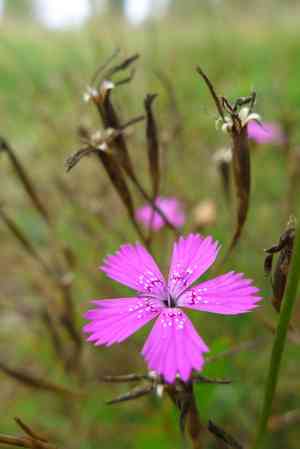
Valued for its vibrant, ground-covering blooms, maiden pink flourishes with regular cutting back. Eliminate faded flowers after blooming to stimulate additional blossoms and dense development. Lightly trim in early spring as fresh growth emerges, preserving its form and fostering robust vitality. Cut back any elongated, lifeless, or ailing stems. Trimming until late autumn encourages compactness, although safeguarding during winter is recommended following pruning. Consistent pruning leads to a denser, more resilient look and increased flower yield.
What Are the Benefits of Pruning Maiden Pink?
What Are the Benefits of Pruning Maiden Pink?
Trimming maiden pink stimulates its development and maintains a dense, appealing form. This practice fosters a more compact habit, promotes strong health, and can potentially increase the quantity of blossoms.
What Is the Best Time for Pruning Maiden Pink?
What Is the Best Time for Pruning Maiden Pink?
Trimming maiden pink in early spring encourages robust new growth as the plant emerges from its dormant winter period and has not yet used energy for flower production. This timing allows for rapid recovery and directs resources toward fresh growth. Late autumn pruning, once flowering has ceased, can help shape the plant and remove any dead or damaged stems before winter, reducing disease risk. However, it's crucial to complete all pruning before the first frost to prevent plant damage. These seasons ensure maiden pink maintains its compact shape and maximizes its blooming potential for the subsequent season.
What Tools Do I Need to Prune Maiden Pink?
Bypass Pruners
Perfect for making precise cuts on the slender stems of maiden pink without crushing plant tissue, aiding in better recovery.
Garden Scissors
Useful for removing faded flowers and for precise trimming of maiden pink to maintain its desired shape and size.
Hand Shears
Applicable for larger-scale trimming and shaping of maiden pink's dense foliage, ensuring quick and even cuts.
Pruning Snips
Ideal for detailed work on maiden pink, especially for thinning out small, crowded areas without harming surrounding stems.
How to Prune Maiden Pink
Step1: Inspecting and Deadheading
Regularly examine maiden pink, particularly after blooming, to identify spent flower heads that require removal. This process, known as deadheading, encourages further flowering and prevents unwanted self-seeding.
Step2: Preparing Pruning Tools
Gather your trimming tools: sharp and clean scissors or pruning shears. Sanitize your tools before and after use to prevent the spread of plant diseases.
Step3: Identifying Spent Flowers
Locate the faded flower heads. Identify blossoms that are wilted, brown, or have begun to produce seeds.
Step4: Cutting Technique for Deadheading
Cut the spent flower head off just above the first set of healthy leaves. Make the cut at a 45-degree angle, which helps prevent water accumulation on the cut surface and potential disease.
Step5: Thorough Deadhead Pruning
Repeat this procedure for all dead flower heads. Be sure to check the entire plant, including lower and inner areas where spent heads might be concealed.
Step6: Post-Pruning Cleanup
After trimming, clear away any plant debris from the base of maiden pink to deter pests and diseases.
Step7: Watering After Pruning
Water maiden pink at its base after pruning to reduce plant stress and help settle any disturbed soil.
Step8: Observing Post-Pruning Growth
Monitor maiden pink in the subsequent weeks for new growth and additional faded flower heads that need to be removed.
Post-Pruning Care for Maiden Pink
Post-Pruning Care for Maiden Pink
Immediately after trimming maiden pink, water thoroughly to minimize transplant shock. Place maiden pink in a location with ample sunlight and maintain ambient temperatures between 60-70°F with moderate humidity. Avoid overhead watering to prevent fungal diseases. Apply a balanced, slow-release fertilizer to aid recovery and promote vigorous growth. Monitor maiden pink for wilting, discoloration, or signs of infection, especially at the cut sites, providing treatment with fungicides or insecticides if necessary. Adjust care as maiden pink reestablishes and resumes robust growth.
Common Pruning Mistakes with Maiden Pink
Over-Pruning into Woody Stems
Cutting too deeply into the woody stems can harm maiden pink, leading to stunted growth or even plant demise.
Ignoring Dead Flower Removal
Neglecting to remove faded flowers or seed heads, which can result in a decrease in bloom production in maiden pink.
Using Unsterilized Pruning Tools
Employing unsterilized pruning tools, which can introduce diseases to maiden pink or spread infection from one plant to another.
Disrupting Natural Plant Shape
Trimming in a way that distorts the natural form of maiden pink, making it less visually appealing.
Common Pruning Tips for Maiden Pink
Use Sharp, Clean Pruning Instruments
Utilize sharp, clean cutting tools specifically designed for pruning to make precise cuts that will heal quickly, preventing disease transmission to maiden pink.
Selective Stem Thinning for Air Circulation
Thin out maiden pink's stems selectively to encourage good air circulation, which can lower the risk of diseases like powdery mildew.
Deadheading to Encourage Rebloom
Deadhead maiden pink by removing spent blossoms. This promotes reblooming and prevents the plant from allocating energy to seed production.
Post-Flowering Pruning for Shape and Foliage
Cut back maiden pink after flowering has concluded to maintain a compact, cushion-like shape and encourage denser foliage and more flowers in the subsequent blooming cycle.



