Optimal Soil for Growing Maiden pink: What You Need to Know
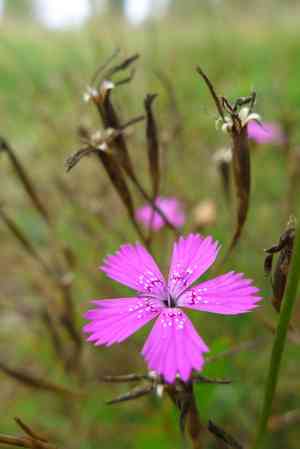
1
To achieve peak growth, keep Maiden pink's soil pH within the 6.5 to 7.5 range. Incorrect pH can impede nutrient uptake.
2
Incorporating compost and perlite into your soil blend enhances drainage and air circulation, fostering a healthy root zone for Maiden pink.
3
Steer clear of dense clay soils for Maiden pink, as they hold excessive moisture and can cause root decay. Choose well-draining soil mixtures instead.
Optimal Ground Mixture for Maiden pink
Blend of Organic and Inorganic Components
For vigorous Maiden pink growth, a balanced blend of organic and inorganic materials in the substrate is vital. Organic elements like compost and aged manure supply essential nutrients and enhance soil structure, ensuring roots receive necessary sustenance. Conversely, inorganic substances such as perlite, vermiculite, or sand improve soil aeration and water flow. This equilibrium prevents waterlogging and related root ailments, fostering robust plant development.
Significance of Well-Draining Substrate
Maiden pink flourishes in well-draining soil, which is critical for averting root rot and fungal infections. Good drainage allows water to move freely through the soil profile, enabling roots to access needed oxygen. Practically, incorporating sand or perlite into your garden bed boosts drainage. Excessive moisture retention can suffocate roots, so ensuring your soil has ample drainage capacity is paramount for your Maiden pink's health.
Soil pH Requirements for Maiden pink
Ideal pH Range
Maiden pink prefers soil with a pH level between 6.5 and 7.5. Within this spectrum, the plant can absorb vital nutrients like nitrogen, phosphorus, and potassium more effectively. Testing your soil's pH with a simple home kit or professional lab services can help adjust it to optimal levels. Most hardware stores offer affordable pH testing kits, simplifying regular monitoring of your garden soil's pH.
Modifying Soil pH
Adjusting the soil pH is crucial for your Maiden pink to thrive. If your soil is too acidic (pH below 6.5), adding lime can help increase the pH. Conversely, if the soil is too alkaline (pH above 7.5), sulfur or peat moss can decrease the pH. Always retest the soil after making any modifications to avoid over-correction, which can create an unfavorable environment for your plants.
Soil Enhancements for Maiden pink Development
Incorporating Compost and Manure
Adding compost and manure to your garden soil enriches its nutrient content, promoting strong Maiden pink growth. Compost improves soil structure, boosts moisture retention, and provides essential nutrients. Well-rotted manure offers high nitrogen, vital for encouraging foliage development. Blend these organic amendments into the top 15-20 cm (6-8 inches) of soil for best outcomes.
Utilizing Perlite and Sand for Airflow
Aeration is crucial for preventing soil compaction and ensuring Maiden pink roots get sufficient oxygen. Adding perlite and sand can significantly improve soil airflow. Perlite, a volcanic glass, helps keep the soil light and porous, while sand enhances drainage. These amendments prevent waterlogging and support a healthy root system by facilitating efficient oxygen exchange.
Avoiding Dense Clay Substrates
Heavy clay soils tend to hold too much moisture and compact easily, which can be detrimental to Maiden pink. These conditions can lead to poor root development and encourage root diseases. To improve clay soil, you can incorporate organic matter like compost and use coarse sand or perlite to enhance drainage. Often, avoiding planting in heavy clay altogether is the simplest way to prevent potential issues.
Maintaining Healthy Soil Conditions for Maiden pink
Consistent Oversight and Analysis
Maintaining optimal soil conditions for your Maiden pink involves regular monitoring and testing of soil quality. Conducting periodic pH tests and assessing soil texture can help you make timely adjustments. Simple observation can help detect issues such as poor drainage and compaction early. Routine soil health check-ups are like regular health screenings for humansâproactive steps that can prevent major problems.
Seasonal Soil Care Advice
Seasonal soil care is vital for keeping your garden in prime condition. In spring, consider adding a fresh layer of compost to replenish nutrients. Summer months may necessitate mulch to conserve moisture and regulate soil temperature. Fall is an excellent time to add organic matter and lime if needed, preparing the soil for the colder winter months. Each season presents unique challenges, and adapting your soil care routine accordingly ensures your Maiden pink thrives year-round.
Common Soil Issues and Remedies for Maiden pink
Detecting and Resolving Soil Compaction
Soil compaction can impede Maiden pink growth by restricting root expansion and reducing oxygen availability. Symptoms include stunted development and poor drainage. To address compaction, consider these methods:Aerate the soil using a garden fork or aerator.Incorporate organic matter like compost to improve soil structure.Avoid walking on garden beds to minimize future compaction.
Preventing Waterlogged Ground
Waterlogged soil can lead to root rot and other fungal diseases for Maiden pink. To prevent this issue, ensure the soil drains well by following these tips:Utilize raised beds to enhance drainage.Amend soil with sand, perlite, and organic matter.Avoid overwatering and ensure proper irrigation systems are in place. Consistent care and attention to drainage can prevent waterlogging and keep your plants healthy.



