How to Propagate Maiden pink?
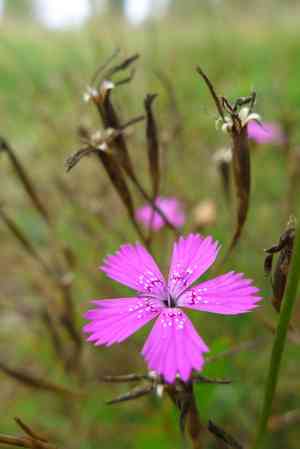
Dianthus deltoides is frequently multiplied via 'Cuttings' in the Spring or Summer seasons. Its propagation is quite straightforward, with new development serving as an indicator of successful rooting. Guarantee adequate hydration and hormone application for the best outcomes.
Optimal Time for Maiden Pink Propagation
Propagation Method
Cutting
Propagation Period
Spring, Summer
Tools for Maiden Pink Propagation
Sharp, sterilized pruning shears
Utilized for taking cuttings from maiden pink, sharp shears guarantee a clean cut that minimizes harm to the parent plant and the cuttings, lowering infection risk and promoting better rooting.
Rooting hormone powder or gel
This aids in accelerating root development on cuttings from maiden pink, boosting the likelihood of successful propagation by encouraging quicker establishment of new plants.
Clean pots with drainage holes
These offer an ideal setting for rooting maiden pink cuttings, ensuring surplus water can drain away to prevent rot while maintaining sufficient moisture for root growth.
Seed starting mix or well-draining potting soil
Such a medium provides the appropriate balance of air circulation and moisture retention, vital for the delicate roots of maiden pink cuttings to develop effectively.
Plastic covers or humidity domes
They establish a humid microclimate around the maiden pink cuttings, reducing water loss through transpiration and fostering higher success rates in root initiation.
Heat mat (optional)
By supplying bottom warmth, a heat mat can enhance the rooting success of maiden pink cuttings, especially in cooler conditions, as consistent heat is conducive to root development.
Propagating Maiden Pink
Propagation Method
Cutting
Difficulty Level
Easy
Caring for Newly Propagated Maiden Pink
Caring for Newly Propagated Maiden Pink
Following successful propagation and planting of maiden pink, ensure the plant receives ample sunlight, as it thrives in bright locations. Maintain moderate soil moisture without overwatering. Maiden pink prefers well-draining soil with a neutral to slightly alkaline pH. Deadhead spent flowers to encourage further blooming, and apply a general-purpose fertilizer during the growing season for optimal growth. Protect maiden pink from extreme cold by providing mulch or moving potted plants indoors. Regularly check for pests and diseases and address them promptly.
Common Errors to Avoid When Propagating Maiden Pink
Overwatering
Excessive watering of maiden pink cuttings or seedlings can lead to root rot or fungal diseases. Too much moisture reduces oxygen availability to the roots, hindering their growth and causing decay.
Deep planting
Planting maiden pink seeds or cuttings too deeply can impede their ability to sprout or root due to insufficient light exposure and oxygen, potentially causing the propagules to rot before establishment.
Excessive handling
Handling maiden pink too often can damage delicate roots and shoots. This can stress the plant, resulting in slower rooting and growth or increased susceptibility to diseases.
Ignoring soil conditions
Failing to provide maiden pink with well-draining soil can result in water retention around the roots, which is detrimental to the plant's overall health and propagation success.
Neglecting humidity
Maiden pink cuttings require a certain level of humidity to root effectively. Neglecting to maintain adequate humidity can cause the cuttings to dry out and fail to root.
Tips For Propagating Maiden Pink
Proper cuttings selection
Select healthy, non-flowering stems of maiden pink for cuttings. This ensures the plant's energy is directed towards root development rather than flower production.
Light soil mix
Utilize a light, well-aerating soil mix with good drainage to promote root growth of maiden pink. This helps prevent root rot and fosters a healthy environment for new roots.
Cuttings care
Place maiden pink cuttings in indirect light and maintain consistent moisture without waterlogging the soil. This balance encourages rooting while preventing potential damage from direct sunlight or excessive water.
Gentle handling
Handling maiden pink with care, particularly during transplanting, is crucial. Minimize root disturbance to prevent transplant shock and to encourage successful establishment.
Humidity balance
Create a humidity dome or use a plastic bag to cover maiden pink cuttings, keeping the air moist around them. Remove the cover periodically to let fresh air in and prevent mold growth.



