Enhancing Your Garden Design with the Maiden pink Plant: A Landscaping Guide
1
Selecting an appropriate site for Maiden pink is crucial for its well-being and vividness.
2
Utilizing Maiden pink as a ground cover can introduce visual interest and hue to your outdoor space.
3
Consistent upkeep guarantees Maiden pink flourishes and improves your garden's aesthetic throughout the year.
Introducing Maiden Pink in Garden Design
Understanding Maiden Pink's Visual Appeal
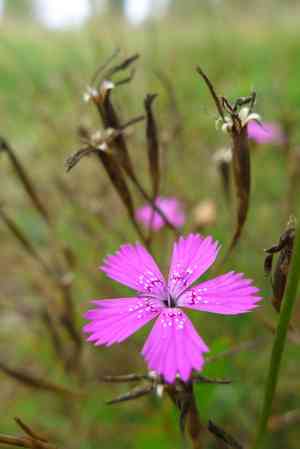
Renowned for its captivating blossoms and delicate petals, Maiden Pink imparts a distinct charm to any garden. Its petite, star-shaped flowers and diverse pink hues contribute an air of sophistication and vibrancy. Whether positioned prominently or intermingled with other flora, Maiden Pink draws attention, becoming a focal point in your landscape plan.
Maiden Pink's Role in Landscape Themes
Maiden Pink is adaptable, making it suitable for various garden styles. Whether you're aiming for a cottage garden, a minimalist contemporary design, or a lively wildflower meadow, this appealing plant integrates seamlessly. Its compatibility with other garden elements and aesthetics makes it an invaluable asset for crafting coherent and visually pleasing landscapes.
Color Schemes and Seasonal Suitability
Maiden Pink primarily blooms in pink shades, which complements numerous color palettes. It's ideal for creating monochromatic themes or enhancing contrast with greens, purples, and blues. Furthermore, Maiden Pink boasts an extended flowering period, offering continuous color throughout seasons and ensuring your garden retains its allure from spring through early autumn.
Selecting the Ideal Spot for Maiden Pink
Assessing Sunlight and Shade Needs
For optimal development, Maiden Pink thrives best in full sun to partial shade. A location receiving at least six hours of daily sunlight is perfect. In hotter climates, partial shade can shield the plant from intense afternoon sun, ensuring its health and abundant blooms.
Evaluating Soil Conditions and Types
Maiden Pink prefers well-draining soil with a neutral to slightly alkaline pH. Sandy or loamy soils are typically the best options. Prior to planting, it's advisable to conduct a soil test to determine its characteristics and amend it if necessary. Incorporating compost can boost soil fertility and improve drainage.
Proximity to Other Plants and Structures
When choosing a site for Maiden Pink, consider its closeness to other plants and structures. Ensure it has ample room to spread without being overshadowed by larger, more aggressive plants. Also, maintaining a clear area around paths or garden edges can prevent Maiden Pink from being obscured or trodden upon.
Integrating Maiden Pink into Landscape Designs
Utilizing Maiden Pink as Ground Cover
Maiden Pink serves as an excellent ground cover, forming attractive foliage mats and vibrant blooms. This can help suppress weeds, retain soil moisture, and provide a lush underlayer for other plantings. Its low-growing habit means it won't overshadow taller plants, making it a versatile addition to any garden.
Incorporating Maiden Pink into Perennial Borders
Integrating Maiden Pink into perennial borders adds texture and color, enhancing your garden's overall aesthetic. Its soft, pink flowers offer a lovely contrast to other perennials, and its compact growth habit ensures it fits neatly without dominating its neighbors. This harmonious integration can create a balanced and visually appealing landscape.
Creative Ideas for Maiden Pink in Contemporary Garden Designs
In modern garden designs, Maiden Pink can be used creatively to add flair and interest. Consider planting Maiden Pink in geometric patterns or alongside minimalist features to highlight its delicate beauty. Using containers or raised beds can also add a contemporary edge while showcasing the plant's vibrant blooms.
Maiden Pink Maintenance Tips for Landscapes
Seasonal Care Routines
Seasonal care for Maiden Pink includes consistent watering, especially during dry periods, and regular fertilization to encourage prolific blooming. Removing spent flowers promotes new growth and keeps the plant looking neat. In colder regions, mulching can offer protection against frost during winter months.
Managing Growth and Spread
To control Maiden Pink's growth, annual pruning is crucial. This prevents it from becoming leggy and encourages a denser, bushier form. Monitoring its spread also ensures it doesn't encroach on other plants, preserving the intended layout of your landscape design.
Addressing Common Issues
Common problems with Maiden Pink include root rot from excessive watering and pest infestations like aphids. To resolve these, ensure proper watering practices and regularly inspect the plant for signs of pests or disease. Employing natural remedies or suitable pesticides can help manage these issues effectively.



